




























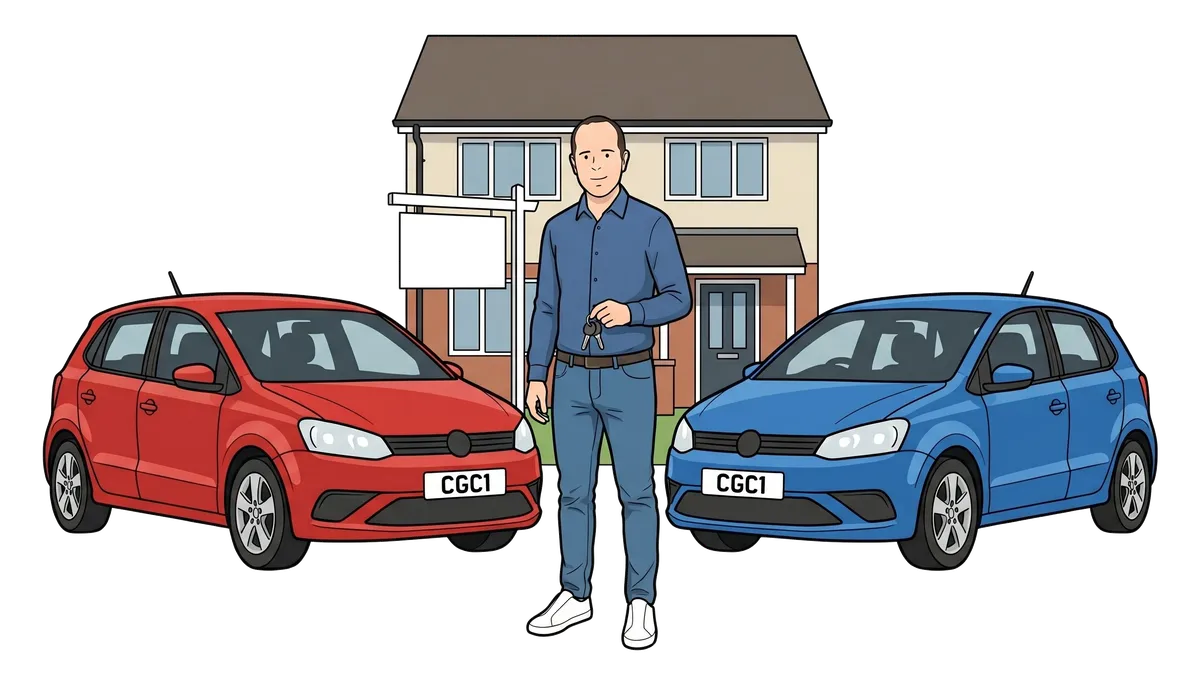
Why Compare Estate Agents Fleet Insurance?
Keep Every Viewing Covered
Pool cars get driven by whoever is free, not one named driver. Clean Green Cars introduces you to brokers who place any-driver cover so no trip is left exposed.
Ainvalidate A Claim-Time Shock
A standard car policy may not cover a negotiator driving clients to a valuation. Clean Green Cars introduces you to brokers who set the correct business use from the start.
Pay Less Across The Pool
Separate policies on each car mean scattered renewals and wasted admin. Clean Green Cars introduces you to brokers who could lower the total cost on one annual policy.
Estate Agents Fleet Insurance At A Glance
- Covers two or more shared pool cars used by negotiators and valuers under one business-use fleet policy
- Specialist brokers can arrange any-driver cover, so any qualifying member of the team can take the next viewing without a policy change
- The correct business-use class can be set for staff driving clients or colleagues to appointments, reducing claim-time disputes
- Branded or liveried pool vehicles can be covered, including any agreed signwriting on the cars
- A shared fleet no-claims record builds over time and could improve renewal terms as the agency grows
- Get estate agents pool car quotes from specialist brokers above

How Fleet Cover Works
Any-Driver Basis
Pool cars usually sit on any-driver terms so any qualifying negotiator can take them out for viewings.
Business Use Class
Genuine pool use needs a business class of use, kept on agency premises with no real private use.
One Renewal Date
Every branded car shares a single document and renewal date instead of separate staggered policies.
Minimum Vehicle Count
Fleet markets typically open from around two to five cars, so even a small branch pool can qualify.
Setting Up Your Fleet Policy
Vehicle Schedule - List every pool car with registration, make, value and which branch holds it, noting any agency branding or livery.
Driver Details - Provide the ages, licence types and claims history of every negotiator who may drive, as rotating junior drivers shape the terms.
Proof Of Trading - Have your business details and three to five years of claims history ready, since specialist brokers use these to confirm genuine pool-car use.
What Does Pool Car Insurance Cover?
Pick third party only and a written-off pool car could leave the branch short of vehicles. Here's what each cover level could include.
| Feature | Comprehensive | Third Party, Fire & Theft | Third Party Only |
|---|---|---|---|
| Damage to your own pool cars | Yes | No | No |
| Fire and theft protection | Yes | Yes | No |
| Damage to other people's vehicles or property | Yes | Yes | Yes |
| Injury to other road users | Yes | Yes | Yes |
| Business use by all employees | Often included, confirm in writing | Sometimes | Sometimes |
| Any-driver cover for the team | Often available | Sometimes | Rarely |
| Agency signwriting and livery | Often included | Rarely | No |
| Windscreen and glass repair | Often included | Rarely | No |
| Courtesy or replacement vehicle during repairs | Sometimes included | Rarely | No |
| Protected fleet no-claims discount | Sometimes available | Rarely | No |
Please note that policy features, benefits, terms and conditions vary among insurance providers, so always check the policy wording.
Cover Tip: Ask the broker to confirm the policy covers use by all employees for business purposes, not just commuting. A pool car insured on social and commuting cover may not respond when a negotiator drives a buyer to a second viewing.
Independent Estate Agencies
A single branch running two or more shared cars for viewings and valuations can cover the whole pool under one any-driver business-use policy, cutting admin and renewal dates.
Multi-Branch Agency Groups
Groups moving negotiators and cars between offices may need cover that spans branches. Company fleet insurance suits agencies that also run allocated company cars.
Lettings And Property Management Firms
Firms running staff between managed properties for inspections and check-ins have similar shared-use needs and can be covered on a business-use pool policy.
Agencies With Mixed Vehicles
Some agencies also run vans for board erection and maintenance. Commercial fleet insurance covers the van side of a mixed agency fleet.
What May Not Be Covered
A single exclusion could mean a viewing-trip claim is declined after a junior negotiator borrows a car. Here's what these policies usually may not cover.
Standard Exclusions
- Use Outside the Declared Business Purpose - If a pool car insured for agency business use is used for private personal trips outside the policy terms, your insurer may decline a claim arising from that use.
- Unlicensed or Disqualified Drivers - A pool car driven by someone without a valid licence, or while disqualified, could give your insurer grounds to decline a claim. Regular licence checks on every member of staff who drives are important.
- Drivers Outside the Policy Age or Experience Terms - If a trainee negotiator is younger or less experienced than the policy allows, a claim from a trip they made may not be insured. Check the driver terms before new staff take a pool car.
- Vehicles Not Declared on the Policy - Adding a new pool car without telling your broker could mean that vehicle has no cover at all. Always update the fleet schedule before a new car goes into the pool.
Important Limitations
- Wear, Tear and Mechanical Breakdown - Routine mechanical failure and general wear are not insured events. Breakdown assistance is a separate optional extra rather than part of the core fleet policy.
- Personal Belongings Left in the Car - Staff or client belongings left in a pool car are usually not covered by the motor policy. Items of value should not be left in shared vehicles.
- Use Outside the Territorial Limits - Cover is typically limited to Great Britain unless foreign-use cover is arranged. A trip abroad in a pool car may not be insured under the standard policy.
- Policy Conditions Not Met - Claims where a policy condition has not been met, such as a required immobiliser not in use, may be reduced or declined. Read the conditions on the schedule carefully.
Optional Extras Worth Adding
Skip breakdown assistance and a pool car stuck before a chain of viewings could cost a full day. These optional extras could be worth considering.
May help cover roadside recovery for any car in the pool, so a breakdown before a chain of viewings does not lose the branch a day of appointments. See breakdown assistance options.
May help cover a courtesy car while a pool vehicle is off the road, keeping the team mobile during a busy sales period.
May help cover legal costs if the agency needs to dispute fault after a car-park incident or recover uninsured losses from another driver.
May help provide a benefit if a member of staff is injured while driving a pool car on agency business.
May help monitor how the pool is driven and provide data that supports a lower premium at renewal. Some underwriters reward agencies that fit approved devices.
May help cover keys, lockboxes and marketing boards carried in pool cars, which the motor policy alone does not insure.
What Affects The Price?
Underdeclare how many staff drive the pool cars and a claim could be reduced for misrepresentation. Here are the factors that shape the quote.
| Key Factor | Impact on your price |
|---|---|
| Number of cars in the pool | More vehicles usually means a larger total premium, though fleet discounts often apply as the pool grows and a single policy replaces several individual ones. |
| Number and ages of drivers | A pool driven by many staff, especially trainees under 25, typically rates higher. Underwriters that accept agency pools may apply age-based loadings that affect the overall premium. |
| Use class declared | Cover that includes business use for all employees costs more than commuting-only cover, but accurately declaring how negotiators use the cars avoids claim-time disputes. |
| Vehicle values and types | Higher-value or executive pool cars cost more to repair or replace, which is reflected in the premium. A mix of small runabouts and larger cars is rated individually. |
| Claims history | A pool with frequent low-speed knocks from car parks and viewings can push the premium up. A clean, documented record could help your broker secure better terms. |
| Driver allocation controls | Evidence of a booking log and sensible allocation of younger drivers to lower-value cars can support keener terms, because the pool reads as a managed risk. |
| Annual mileage across the pool | High combined mileage on viewing and valuation runs generally costs more than light local use. Accurate mileage helps the broker rate the pool fairly. |
| Overnight parking | Cars kept in a secured branch car park or compound often rate better than those left on the street overnight, because theft and vandalism risk is lower. |
Price Insight: The quote you get will depend on your own fleet details, so an agency that records who books out each pool car and runs annual licence checks could see steadier renewal terms. Brokers who handle business pools know which controls underwriters reward.

Ways To Cut Your Premium
Renew on autopilot and a pool car premium can drift well above a fresh comparison. Here are practical ways to influence what you pay.
Keep A Pool Car Booking Log
Recording which negotiator takes which car and when shows underwriters the pool is managed, not an open free-for-all, which can support keener terms.
Run Regular Licence Checks
Checking every member of staff who drives holds a valid licence reduces the risk of a claim being declined on a technicality and signals a controlled fleet.
Allocate Younger Drivers Carefully
Steering trainees towards the lower-value pool cars and documenting it can lower the rating impact of inexperienced drivers across the policy.
Declare Use And Mileage Accurately
Setting the right business-use class and honest pool mileage avoids paying for risk you are not taking on, and keeps claims from being challenged later.
Improve Branch Parking Security
Keeping pool cars in a secured branch car park or compound overnight, with immobilisers fitted, lowers theft risk that underwriters often reflect in price.
Build And Protect Fleet No Claims
A shared no-claims record builds across the pool over time and could meaningfully reduce the renewal premium, with protected options limiting one claim's impact.
Saving Tip: Restricting the youngest negotiators to the lower-value pool cars and recording it in a simple booking log can help. Some underwriters price a documented driver-allocation policy more keenly than an open free-for-all.
How To Compare Quotes
Quoting a pool of shared agency cars takes longer than one vehicle, but a broker does the legwork. Get started above.
Share Your Pool Details
Provide the car list - registrations, makes, values and approximate annual mileage per vehicle. Note how many staff drive the pool and the youngest driver age. A broker handles the rest of the fleet insurance setup.
Describe How The Pool Is Used
Tell the broker the cars are shared by negotiators and valuers for viewings, valuations and inter-branch trips, so the correct business-use class is set from the start.
Choose Your Cover Level
Select comprehensive, Third Party Fire and Theft (TPFT) or Third Party Only (TPO) based on car values and risk appetite. Comprehensive is standard for most active agency pools.
Confirm Any-Driver And Business Use
Ask the broker to confirm any-driver cover and business use by all employees in writing, then review extras like breakdown and replacement vehicle cover.
Compare Quotes And Decide
Specialist brokers introduced through Clean Green Cars compare business-pool underwriters and present the options. Review cover, excesses and conditions before choosing, not just the headline price.
What Our Expert Says
Estate-agency pool cars look like a simple insurance job and often are not. The vehicles are shared, the drivers rotate, mileage per person is low but total use is high, and the people behind the wheel range from senior valuers to trainees who passed their test last year.
The mistake that bites agencies most is the use class. A pool car quietly insured on social, domestic and commuting cover can leave a gap the moment a negotiator drives a client to a viewing or ferries a colleague between branches. That is business use, and if the policy is not written for it, a claim from that trip can be challenged. On a shared fleet it's worth confirming the policy covers use by all employees for business purposes, in writing, before the keys go on the hook.
Insurers also look closely at how a pool is managed. A booking log, documented licence checks and sensible allocation of younger drivers to lower-value cars all signal a controlled risk. The GOV.UK guidance on vehicle insurance requirements sets out the legal baseline that sits under any fleet arrangement.
Insurance Expert & Co-founder of Clean Green Cars

Common Questions
What Are The Pool Car Insurance Rules For A Business?
For an estate agency, a pool car is shared by more than one negotiator, kept at the branch and used mainly for agency work. The fleet policy needs the right business-use class so client viewings and valuations are covered, not just commuting.
Can Any Member Of Staff Drive A Pool Car?
With any-driver cover on an estate agency pool policy, any negotiator or valuer meeting the age and experience terms can drive any pool car, so whoever is free takes the next viewing. Named-driver cover is cheaper but more restrictive for an agency.
How Much Does Estate Agents Fleet Insurance Cost?
There is no fixed estate agency price. A pool car fleet quote depends on the number of agency cars, how many negotiators drive them, their ages, vehicle values and the branch claims history. A specialist broker compares business-pool underwriters.
Do Estate Agent Negotiators Need Business Car Insurance?
Yes. An estate agency negotiator driving clients or colleagues to viewings and valuations is on business use. A pool policy insured only for commuting may not respond to a claim from those agency trips, so business use should be confirmed in writing.
Is Fleet Insurance Cheaper Than Insuring Each Pool Car Separately?
Often, for two or more agency cars. A single estate agency fleet policy can carry a fleet discount, one renewal date and a shared no-claims record, which usually works out simpler and frequently cheaper than separate policies on each pool car.
How Many Pool Cars Do You Need For A Fleet Policy?
Most specialist brokers can arrange estate agency pool cover from two cars upward, though some underwriters set a minimum of three. Your broker can confirm the minimum for a branch or agency network of your size.
Are Branded Or Liveried Agency Cars Covered?
Usually, yes. Agreed estate agency signwriting and branding on pool cars can normally be covered, though you should declare any wraps or agency livery so the insurer accounts for them in a total-loss valuation of the vehicle.
What Happens After I Submit My Details?
Clean Green Cars introduces you to specialist brokers offering estate agents pool car fleet cover. You compare the quotes they return, check the cover and conditions, and choose the option that suits your agency branch.

Search & Compare Quotes From UK Estate Agents Fleet Insurance Providers

Useful Resources
- GOV.UK Vehicle Insurance - The official rules for driving insured on UK roads.
- GOV.UK Driving Licence Check - View or share driving licence information before a quote.
- GOV.UK Company Pooled Cars and Vans - HMRC guidance on company pooled vehicles and private use.
- HSE Work-Related Road Safety - Guidance for employers managing staff who drive for work.