













Why Compare LC30 Car Insurance?
Insurers View LC30 As More Serious Than LC20
A false statement about fitness raises questions about honesty, which makes some mainstream insurers nervous. Specialist brokers know which insurers understand the context behind LC30 cases. Clean Green Cars introduces you to these brokers so you can compare quotes from providers who handle licence offences.
Your Medical Situation Matters To Underwriters
If the condition behind your LC30 has been resolved or is now managed, some insurers may be more willing to quote. Specialist brokers can present your current medical position alongside the endorsement. Clean Green Cars connects you with brokers who know how to frame these cases.
Prices Vary Widely For LC30 Cases
Because LC30 involves a fitness declaration, pricing can swing heavily between insurers. One may decline while another offers a reasonable quote. Comparing through specialist brokers gives you the widest view of what is available.
Car Insurance With An LC30 Conviction At A Glance
- LC30 relates to making a false statement about your fitness when applying for or obtaining a driving licence
- Carries 3 to 6 penalty points and stays on your licence for 4 years from the date of offence
- Insurers may view LC30 more seriously than other LC codes because it involves a deliberate declaration
- Specialist brokers can present your current medical position to insurers who handle complex endorsement cases
- Fill in the form above to compare quotes from specialist convicted driver brokers who handle licence offence endorsements
What Is An LC30 Conviction?
LC30 is a statutory offence under section 92(10) of the Road Traffic Act 1988 - driving after making a false statement about your physical fitness when applying for or obtaining a driving licence. Here's how the law defines it:
- Who it applies to - Any driver who has obtained or renewed a licence by declaring they are medically fit to drive when they knew, or ought to have known, that a relevant condition existed that should have been disclosed to the DVLA.
- What counts as a false statement about fitness - Failing to declare a notifiable medical condition, understating the severity of a condition, or signing the self-declaration on the licence application when the answer should have been different. Notifiable conditions include epilepsy, certain eyesight defects, diabetes treated with insulin, and many cardiovascular and neurological conditions.
- How the duty arises - From the moment you drive having made the false declaration. The duty to tell the DVLA about notifiable medical conditions is a statutory one, and driving can also invalidate your insurance if the insurer was not informed.
| Penalty | Details |
|---|---|
| Penalty Points | An LC30 carries 3 to 6 penalty points. The exact number is set by the court. For new drivers within their first 2 years of holding a full licence, 6 or more points could trigger licence revocation under the New Drivers Act 1995. |
| Driving Ban | A driving ban for an LC30 is discretionary. The court may disqualify you if the false statement involved a serious medical condition, but many LC30 cases result in penalty points only. |
| Maximum Fine | The maximum fine for an LC30 offence is £2,500 (Level 4 on the standard scale). The court sets the actual amount based on the circumstances. |
| Time on Licence | An LC30 stays on your driving licence for 4 years from the date of offence. Most insurers ask you to declare endorsements for up to 5 years. |
| Spent After | Under the Rehabilitation of Offenders Act 1974, a fine typically becomes spent after 1 year (or 6 months for under-18s). Once spent, you do not need to disclose it for most purposes, but insurers can still ask and you must answer honestly. |
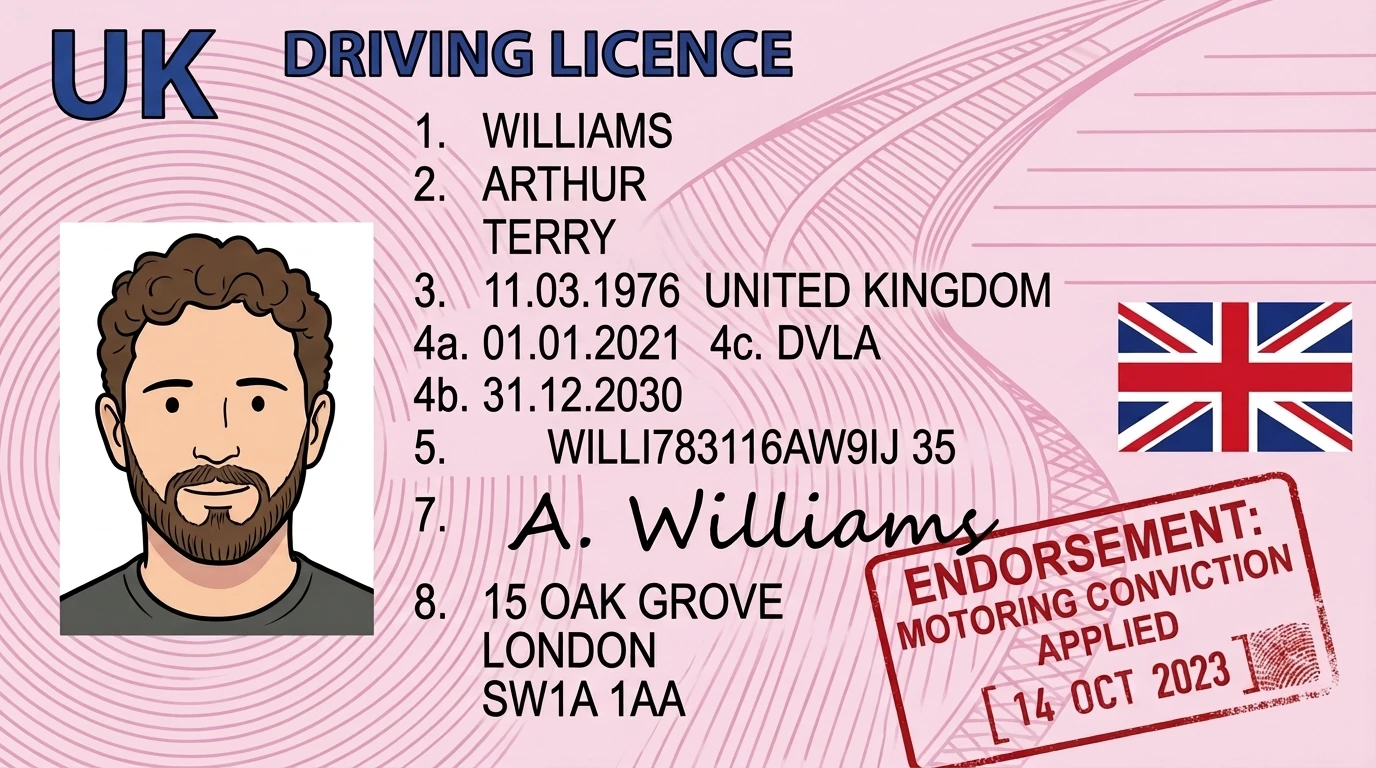 LC30
LC30Can You Get Insurance With An LC30?
Yes, but the market is narrower than for a standard policy, and you'll almost always need a specialist broker. Here's what to know before you compare:
- Points and ban - 3 to 6 penalty points, with the court setting the exact number based on the seriousness of the condition that was not declared. A driving ban is discretionary but more likely if the unnotified condition was significant.
- Time on your record - 4 years on the DVLA endorsement, and most insurers ask about convictions in the last 5 years.
- When it's spent - A fine-only LC30 is spent 1 year after conviction under the Rehabilitation of Offenders Act 1974 (6 months for under-18s). Insurers can still ask about spent convictions, and you must answer honestly.
- Disclosure always matters - Non-disclosure can invalidate the policy and lead to a claim being declined. Insurers will also want to know whether the underlying medical condition has now been properly declared and managed.
- Treated as a licence offence - Insurers weigh LC30 against the current medical picture. If the condition has been resolved or is now properly managed and declared to the DVLA, this typically works in your favour at quote stage.
Clean Green Cars introduces you to specialist brokers experienced with licence offences. If you need short-term cover while comparing, temporary car insurance with convictions may bridge the gap.
Who Needs LC30 Car Insurance?
An LC30 can make it harder to find affordable cover through mainstream insurers. Here's who typically needs specialist LC30 car insurance.
Misunderstood A Medical Question On The Form
The wording was vague or clinical. You answered honestly as you understood the question, but the DVLA interpreted it differently. Now you are being treated as if you lied.
Condition Developed After You Applied
You were healthy when you filled in the form. A diagnosis came later, and by the time you realised you should have updated the DVLA, the gap had already become an offence.
GP Did Not Flag The Condition As Notifiable
Your doctor never mentioned that your condition affected driving. You trusted their guidance, but the responsibility to declare sits with you, not your GP, and the DVLA does not accept that defence.
Mental Health Condition You Did Not Declare
Declaring a mental health condition felt exposing and unnecessary — it was managed, you were stable. But the DVLA lists it as notifiable, and not declaring it has created a legal problem on top of everything else.
Medication Change You Did Not Report
Your prescription changed and the new medication had side effects that could affect driving. Nobody told you to inform the DVLA, and by the time you found out, the omission was already on record.
Worth Knowing: Many LC30 convictions come from drivers who genuinely did not understand what needed declaring. Clean Green Cars introduces you to brokers who handle these cases regularly and know which insurers look at your current health, not just the code on your licence.
What LC30 Car Insurance Covers
An LC30 does not change what your policy is designed to cover - it affects pricing and which insurers will quote. Here's what each level of cover could include.
Cover features depend on insurer terms, driver eligibility, and how the vehicle is used.
| Feature | Comprehensive | Third Party, Fire & Theft | Third Party Only |
|---|---|---|---|
| Damage to your vehicle | Yes | No | No |
| Fire and theft protection | Yes | Yes | No |
| Damage to other people's property | Yes | Yes | Yes |
| Injury to other people | Yes | Yes | Yes |
| Windscreen cover | Often included | Rarely | No |
| Courtesy car | Sometimes included | Rarely | No |
Cover Tip: A genuine misunderstanding of a DVLA form and a deliberate attempt to hide a medical condition both produce the same LC30 code. Specialist brokers can explain the difference to their panel, and all cover levels may still be available.
What LC30 Car Insurance May Not Cover
A missed exclusion could leave you without cover when you need it most. Here's what LC30 car insurance usually may not cover.
Standard Exclusions
- Undeclared Convictions - If you do not tell your insurer about your LC30 or any other endorsements, they could invalidate your policy entirely.
- Undeclared Medical Conditions - If you have an ongoing medical condition that affects your driving and fail to declare it, your insurer may decline a claim.
- Driving Against Medical Advice - If a medical professional has advised you not to drive and you do so, your insurer could decline any resulting claim.
- Wear and Tear - Gradual damage to your car, like worn tyres or rust, is not covered by any motor policy.
Important Limitations
- Higher Excess - Your insurer may set a higher compulsory excess because of your LC30. Check your policy documents before you agree.
- Named Driver Restrictions - Some policies may limit who else can drive your car after a licence endorsement involving fitness declarations.
- Vehicle Value Cap - Some convicted driver policies may cap the value of car they will insure.
- Medical Review Requirements - Some insurers may require evidence that your medical condition is now managed before offering cover.
Cover Extras To Consider
Your standard policy covers the essentials. These optional extras could be worth adding for extra peace of mind.
May help cover roadside assistance if your car breaks down, subject to policy limits and conditions.
May help cover your legal costs if you need to dispute fault after an accident, depending on your policy terms.
May help you recover losses from a non-fault crash, subject to policy limits and conditions.
May pay a set amount if you are hurt in a crash and cannot work, depending on your policy terms.
Keeps your no claims discount safe if you make a claim, subject to insurer acceptance criteria.
A black box tracks your driving to demonstrate safe habits. Could help reduce your premium over time, subject to insurer acceptance criteria.
What Affects The Cost Of Car Insurance With A LC30 Conviction?
Your LC30 loading depends on what the false statement was about and your current medical position. Here are the key factors that could affect your price.
| Key Factor | Impact on your price |
|---|---|
| Nature of the false statement | The medical condition you failed to declare affects how insurers view the risk. Some conditions concern underwriters more than others. |
| Current medical status | If your condition has been resolved or is now managed with treatment, insurers may be more willing to quote at a reasonable price. |
| Time since your LC30 | Your price could drop each year. An LC30 from 3 years ago may cost less to insure than a recent one. |
| Number of penalty points | An LC30 carries 3 to 6 points. Fewer points generally means a smaller loading. |
| Other endorsements | An LC30 on top of other motoring convictions could increase your premium significantly. |
| Your age | Younger drivers often pay more after any conviction. If you are under 25, the increase could be bigger. |
| Your car | Higher insurance group cars cost more to insure, with or without endorsements. |
| Where you live | Your postcode affects your base price before your LC30 loading is added. |
Price Insight: If the medical condition behind your LC30 has been resolved or is now properly managed, some insurers may offer a lower loading than you expect. Always provide up-to-date medical information when getting quotes.

Ways To Cut Your Car Insurance Cost
An LC30 could push your premium up significantly, but there are practical steps to manage what you pay.
Compare Quotes Every Year
Do not auto-renew. Your LC30 loading could reduce each year. Get quotes above to see what specialist brokers can offer.
Update Your Medical Information
If your condition has improved or is now managed, make sure your broker knows. Updated medical evidence could make a real difference to your loading.
Build A Clean Record
Each conviction-free, claim-free year shows insurers the false statement was a past mistake, not a reflection of who you are now.
Increase Your Voluntary Excess
A higher excess could cut your premium. Only offer what you could genuinely afford if you needed to claim.
Try Telematics Cover
A black box gives insurers evidence of safe driving. If your LC30 involved a medical condition, telematics data showing safe habits could help at renewal.
Pay Annually
Monthly payments include interest. Paying upfront could reduce what you pay overall.
Choose A Lower Group Car
Cars in lower insurance groups cost less to insure. This could help offset an LC30 loading.
Saving Tip: A confusing form should not define your insurance future. Compare quotes above - specialist brokers who handle LC30 cases understand the difference between confusion and deception.
How To Compare LC30 Car Insurance Quotes
Getting quotes after an LC30 is straightforward with specialist brokers. Here's how the process works. Get started above when you are ready.
Enter Your Vehicle Details
Add your reg, make, model, and where you park.
Declare Your LC30
Enter the conviction code, date of offence, and the number of points. Include details about the medical condition if asked.
Add Your Driving History
Include any other convictions, claims, and your no claims discount.
Choose Your Cover Level
Decide between Comprehensive, TPFT, or Third Party Only.
Compare Your Quotes
Specialist brokers send you quotes based on your details. Pick the one that fits your needs and budget.
What Our Expert Says
"False statement" sounds deliberate and dishonest. But you know what actually happened — a confusing form, a question you were not sure how to answer, a condition you did not think was relevant. The gap between what the charge implies and what you intended is enormous.
LC30 covers making a false declaration or withholding information about physical fitness when applying for or renewing a licence. The DVLA form asks broad questions, and the line between a medical condition that must be declared and one that does not is not always clear. Penalties include 3 to 6 points and a fine, with the possibility of licence revocation if the undeclared condition is deemed serious.
Specialist brokers understand that LC30 almost always involves confusion rather than deception. They present the real story to insurers who differentiate between a form error and fraud.
Insurance Expert & Co-founder of Clean Green Cars

Common LC30 Car Insurance Questions
What Is An LC30 Conviction?
LC30 is the DVLA code for driving after making a false statement about your physical fitness when applying for a licence. It usually involves not declaring a medical condition.
How Many Points Does An LC30 Carry?
An LC30 carries 3 to 6 penalty points. The court decides the exact number based on the seriousness of the false statement.
How Long Does An LC30 Stay On Your Licence?
An LC30 stays on your licence for 4 years from the date of offence. Insurers may ask about it for up to 5 years.
Will An LC30 Affect My Insurance Premium?
Yes. Most insurers add a loading for LC30 because it involves a false declaration. The size of the loading depends on the medical condition and your current health status.
What Medical Conditions Can Lead To An LC30?
Conditions like epilepsy, diabetes, severe visual impairment, and heart conditions can lead to LC30 if not declared on your licence application. The DVLA maintains a full list.
Do I Need To Tell My Insurer About My Medical Condition?
Yes. You must declare both the LC30 endorsement and any ongoing medical condition. Failing to do so could invalidate your policy.
Can I Get Comprehensive Cover With An LC30?
Yes. All cover levels are available through specialist brokers, including comprehensive, TPFT, and third party only.
Is LC30 More Serious Than LC20?
Insurers often view LC30 as more serious than LC20 because it involves making a deliberate false statement rather than a licence oversight.
What Happens After I Submit My Details?
Clean Green Cars introduces you to specialist brokers who cover drivers with endorsements. They contact you with quotes based on your details.
Will My LC30 Loading Reduce Over Time?
Yes. Your insurance loading could reduce each year. After the declaration period with no further endorsements, your premium could return to standard rates.

Related Licence Conviction Codes
LC30 sits within the wider licence offence endorsement codes group. It is closest to LC40 failure to notify a disability and LC50 medical revocation offences, because all three can involve medical fitness or DVLA licence status. The related endorsements below can help you compare similar LC codes.
Search & Compare Quotes From UK LC30 Car Insurance Providers

Useful Resources
- GOV.UK - Health conditions and driving - which conditions you must tell the DVLA about
- GOV.UK - Penalty points and endorsements - how the endorsement system works
- GOV.UK - View your driving licence information - check your current endorsements online
- Sentencing Council - sentencing guidelines for motoring offences