Can You Get Car Insurance Again After A DG10 Ban?
Yes, you may be able to get car insurance after a DG10 ban, but prices may be higher and fewer insurers may be willing to quote while the conviction is unspent.
The insurance after a DG10 conviction page is the best starting point if you are ready to compare quotes, as it focuses specifically on drug-driving convictions.
Insurers can take the conviction into account when deciding whether they can quote and what terms may apply.
When Should You Start Comparing Quotes Before Your DG10 Ban Ends?
Do not drive until your disqualification has fully ended and your driving licence shows you are allowed to drive again. Insurance should be in place before any road use starts again.
Researching before the ban ends can help you understand what details insurers ask for, but final quotes must use your actual ban end date and current licence status.
GOV.UK drug-driving guidance explains that offences normally carry at least a 12-month driving ban, plus a fine, a possible prison sentence and a criminal record, depending on the case.
What Details Do Insurers Ask For?
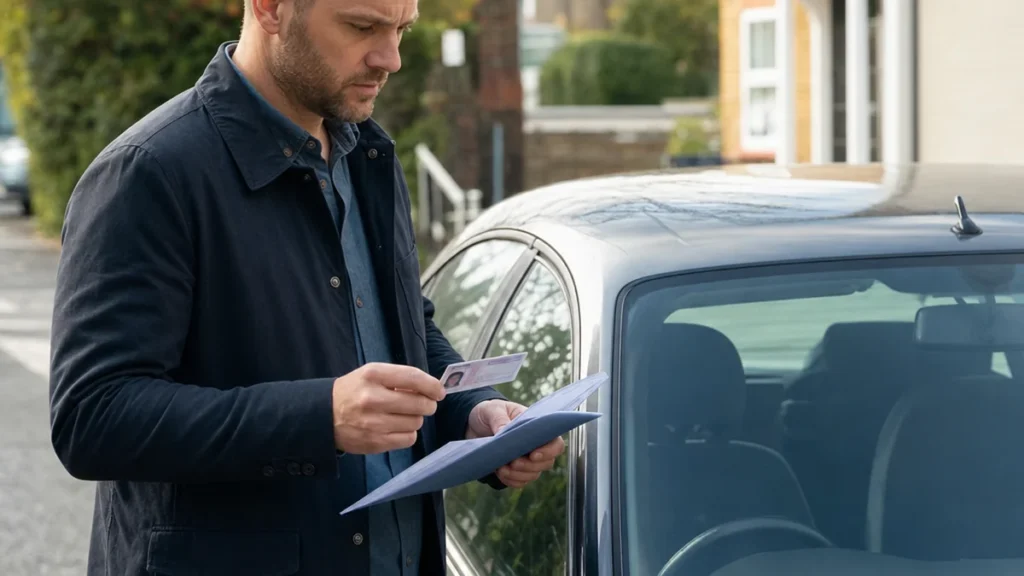
Providers may ask for the conviction code, conviction date, offence date, ban length, points, fine, claims history and any linked offences.
They may also ask about the car, annual mileage, how you use it, where it is kept overnight, your occupation and previous insurance history.
If you leave out unspent motoring convictions or give incorrect details, your insurance could be cancelled or a claim could be refused.
Susan's note: Write the conviction details down before you start. Guessing a date or ban length can lead to inconsistent quotes and more stress later.
Why Car Insurance Quotes Can Be Harder After A DG10 Conviction
Insurers usually treat drug-driving convictions as a serious motoring risk. Some providers may not quote at all while the conviction is recent or unspent.
Others may quote with higher prices, stricter terms or closer checks on vehicle and driver details.
GOV.UK endorsement code guidance lists DG10 as staying on a driving record for 11 years from conviction, so it can affect insurance for a long time.
While a DG10 is unspent, insurers will usually expect you to declare it if they ask about motoring convictions.
For more detail on price factors, see the guide to car insurance costs after a DG10 conviction.
If your code is not DG10, the broader drug driving insurance page is a better fit. Each drug-driving code, such as DG10, DG40 or DG60, can reflect different circumstances, so it helps to start with the page that matches your code. The main convicted driver insurance hub is the wider starting point for other motoring conviction routes.
How To Prepare Before You Compare Car Insurance Quotes
- Check the ban has ended
- Check your driving licence record
- Use the exact DG10 code
- Know the conviction and offence dates
- Choose a realistic, non-modified vehicle
- Be accurate about mileage and use
It may also help to compare vehicles before buying. A powerful or modified car could make it harder to get a suitable quote after a DG10.
Avoid guessing low mileage just to reduce the price, as insurers can check this against MOT and claims information.
Once those details are ready, a car insurance comparison route for drivers with a DG10 conviction can help you look for providers that may consider drivers after a drug-driving conviction.
FAQs
Can I Drive As Soon As My DG10 Ban Ends?
You can usually drive once your ban has fully ended, your licence shows that you are allowed to drive, and you have valid insurance for the car and how you use it.
Will Every Insurer Decline Me After A DG10 Conviction?
No. Some mainstream insurers may decline or quote very high prices, but specialist convicted-driver routes may still be willing to consider your case.
Do Insurers Need The Ban Length?
They may ask for it. Keep the court and licence details handy before comparing.
Can I Start Getting Car Insurance Quotes Before My DG10 Ban Ends?
You can research options, but final cover must use accurate current details and cannot allow driving before you are legally entitled.