Make The Vehicle Safe Before Building A Claim
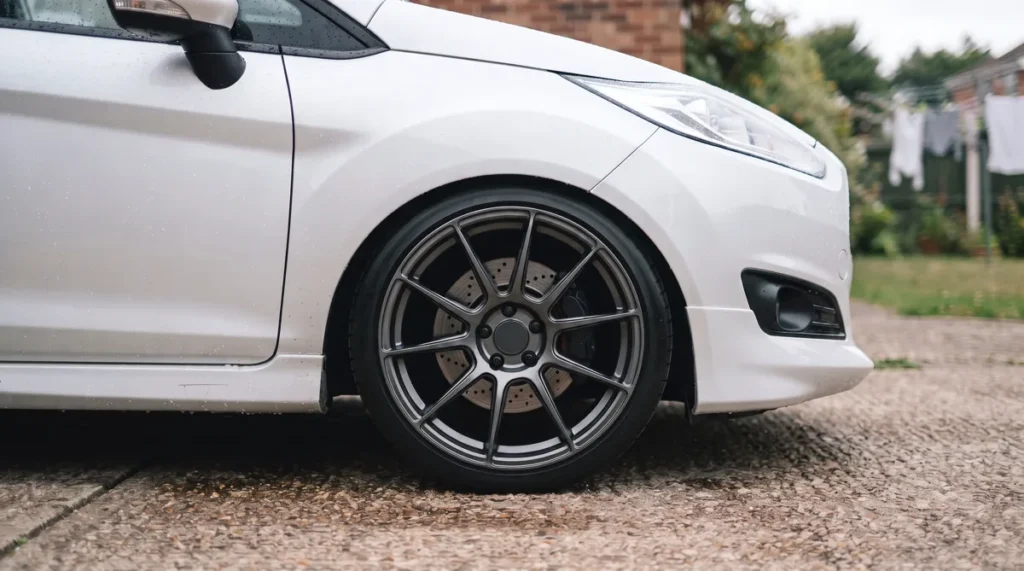
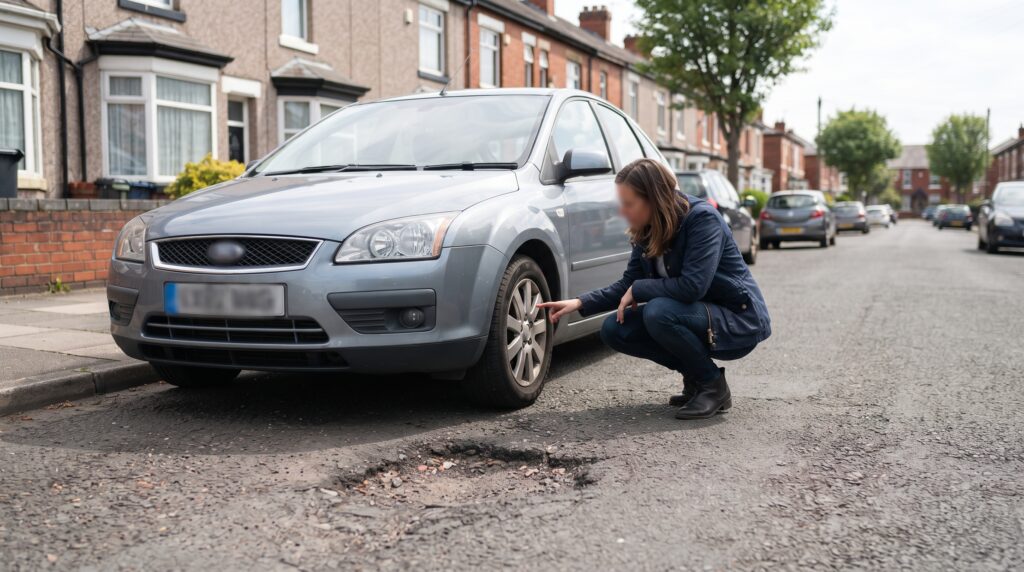
After a hard impact, stop only where it is safe. Check warning lights, steering, tyre pressure and visible wheel damage.
Do not continue if the car pulls, vibrates or has a damaged tyre. Recovery or a garage inspection may prevent a damaged wheel, suspension or steering component from causing a second incident.
Evidence To Capture Without Entering Danger
Record the exact road, direction of travel, time and weather. Take photographs only from a safe position.
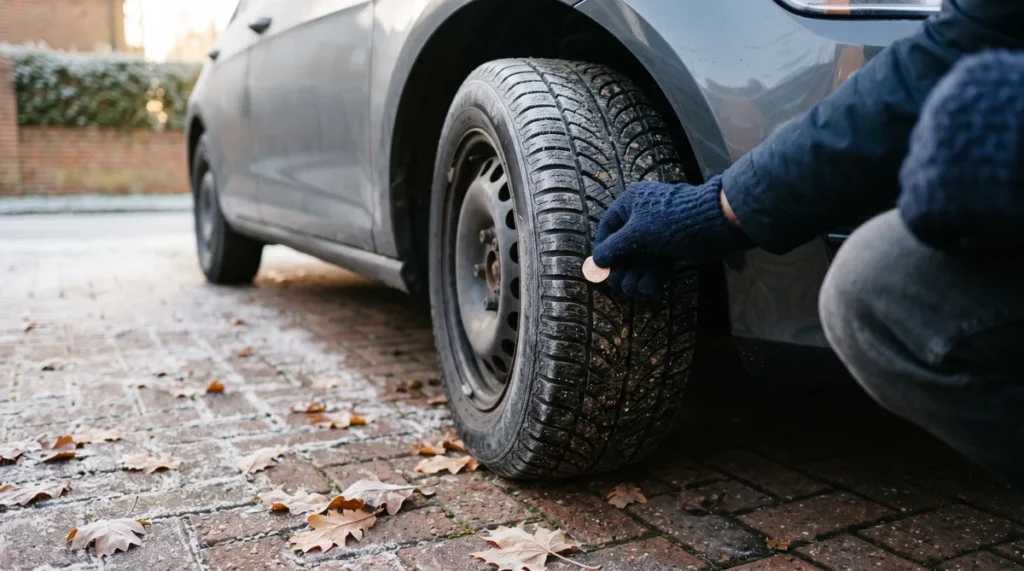
Include the wider location, the defect and vehicle damage, with an object for scale only when this can be done safely. Keep dashcam footage, witness details and the road authority's report reference.
Choose Between Three Cost Routes
The realistic routes are a comprehensive insurance claim, a claim to the responsible road authority or paying for repair. Compare the estimate with the policy excess and ask how a claim could affect no claims discount.
An authority claim depends on liability evidence and is not an automatic reimbursement scheme.
| Claim Route | Main Test | First Action |
|---|---|---|
| Comprehensive claim | Policy, excess and claim record | Notify insurer and provide evidence |
| Road authority claim | Maintenance responsibility and liability | Use official authority process |
| Private repair | Estimate compared with excess and wider effects | Obtain safety inspection first |
How An Insurer May Assess Pothole Damage
Comprehensive cover may respond to sudden accidental damage, subject to exclusions, excess and assessment. The insurer may want photographs, an inspection and the circumstances of the impact.
Tyre-only damage can have different treatment. Notify the insurer within its required timescale even when deciding whether to proceed.
How A Road Authority Claim Differs
Identify who maintains the road through the official reporting route. Give a precise location, evidence of the defect and proof that the damage followed from the incident.
Under section 58 of the Highways Act 1980, an authority may defend a claim by showing it took such care as was reasonably required. The evidence and circumstances determine the outcome.
Repair Evidence That Connects Impact And Damage
Ask the garage to describe the tyre, wheel, alignment, steering and suspension findings. Keep estimates, invoices and replaced parts where practical.
A photograph of a pothole alone does not prove that every repair arose from it. A dated professional report can make the sequence clearer for whichever route is used.
What To Do If The First Route Is Rejected
Read the reasons and compare them with the evidence and applicable process. An insurer complaint follows the firm's complaint route and may later be eligible for the Financial Ombudsman Service.
A road authority has its own claims process. Do not submit inconsistent versions of the event to different organisations.
Report The Pothole Through The Official Route
Reporting the defect is separate from claiming compensation. Use the responsible road authority's official service and keep the reference number with your photographs and repair evidence.
Deciding Which Claim Route To Use
Compare The Repair With Your Excess
Ask for a safety inspection and written estimate first. You can then compare the repair cost with your excess and ask how a claim may affect your record.
Keep The Evidence For One Clear Account
Use the same date, location, photographs and garage findings for each enquiry. If a route is rejected, read the reason before deciding whether to complain or try another process.
Your car insurance documents explain the cover and reporting terms that apply to your policy.
Claim Detail Priority Chart
This chart shows the details most useful to prepare before making a car insurance claim.
Prepare facts and evidence first. Let the insurer decide how the policy applies.
FAQs
Does comprehensive insurance cover potholes?
It may cover sudden accidental damage, subject to the policy, excess and claim assessment.
Can I claim from the council?
You may submit a claim to the responsible authority, but payment is not automatic and evidence may be needed.
Will a pothole claim affect no claims bonus?
It could, depending on the policy and whether costs are recovered. Ask the insurer.
Should I photograph the pothole?
Only when it is safe. Record the exact location, size context and vehicle damage.
What damage should a garage check?
Tyres, wheels, alignment, steering and suspension may all need inspection.