Why Modifications Matter For Your Insurance
Because the law expects you to answer your insurer's questions with care. Under the Consumer Insurance (Disclosure and Representations) Act, you have to take reasonable care not to give your insurer wrong information. How clear and specific their questions were is taken into account.
What happens if you get it wrong depends on why. If it was deliberate or reckless, the insurer can treat the policy as cancelled from the start and refuse all claims. If it was careless and they'd have charged more, they can cut a claim in proportion. If they'd never have covered the car at all, they can cancel the policy and refuse all claims, but must return what you paid.
The Financial Ombudsman's guidance on car modifications says it's unlikely to uphold your complaint if you didn't mention a significant modification and the policy made clear you should have. The Ombudsman also says to tell your insurer about changes made before you bought the car.
1. Engine Remaps And ECU Tuning
Tell your insurer about a remap as soon as it's done. The Financial Ombudsman names remapping the Electronic Control Unit (ECU, the engine's computer) as a change where not declaring it can have serious consequences.
In one case it describes, a driver claimed after an accident and the insurer invalidated his policy when it learned about an undeclared ECU remap and exhaust retuning. The Ombudsman agreed that was fair. Your insurer may charge more or change the terms for a remapped performance car, so ask before the work is done if you can.
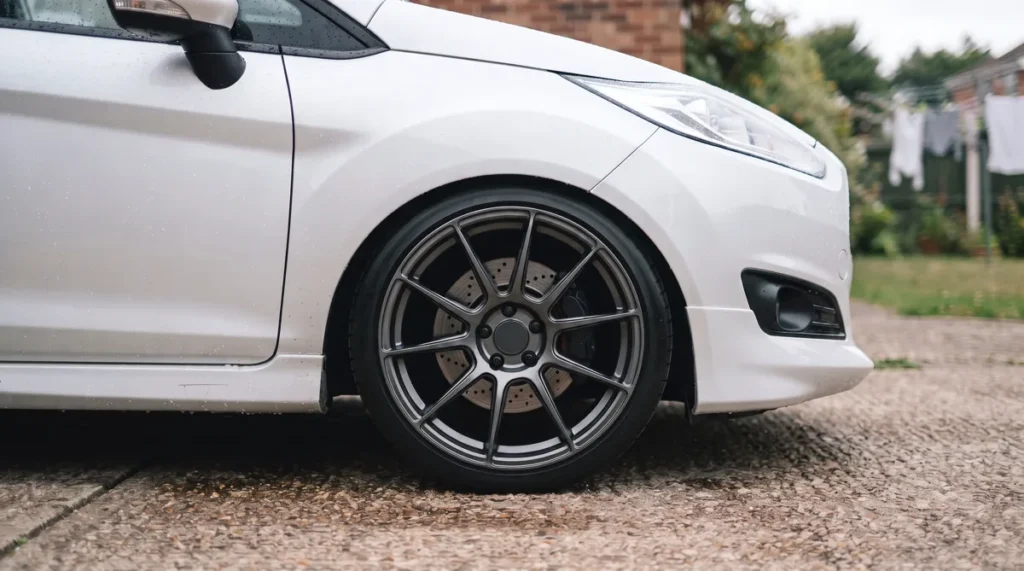
2. Aftermarket Alloy Wheels
Yes, new alloys count, even if the change looks cosmetic. The Ombudsman says drivers often don't realise that changing alloy wheels can lead to higher premiums.
In one case, an insurer found alloys three inches larger than the maker's standard size after a claim. The Ombudsman decided the driver had taken reasonable care because the change wasn't obvious, and the policy was reinstated. That's no reason to stay quiet if you know. If you've fitted new wheels, or spot non-standard ones on a car you've bought, tell your insurer.
3. Tinted Windows
Any aftermarket tint is worth declaring, and front tints have a legal limit too. GOV.UK's tinted window rules say that on cars first used on or after 1 April 1985, the windscreen must let at least 75% of light through and the front side windows at least 70%. On older cars, both must let at least 70% through. There are no rules for the rear windscreen or rear passenger windows.
A front tint that's too dark can mean a prohibition notice stopping you using the car until the extra tint is removed, or a penalty notice or court summons. The Ombudsman also lists tinted windows among the changes that can affect your insurance. Check the front glass is legal, then tell your insurer the tint is there.
4. Aftermarket Exhausts
An upgraded exhaust is a modification, and it's illegal to alter an exhaust to make it louder. The Vehicle Certification Agency's guide to cars and noise says it's illegal to modify a car's exhaust to make it noisier than the level recorded for that model at type approval (the testing a new model passes before it goes on sale).
Using a car on the road that breaks the construction and use rules is an offence under the Road Traffic Act. The Ombudsman names upgraded exhaust systems as a modification too. If you've changed the exhaust, tell your insurer, and check with the fitter that it's no louder than the car was approved at.
5. LED And HID Headlamp Changes
Approved LED bulbs can now pass the MOT, but the change is still worth mentioning. From 14 October 2026, MOT testers must accept ECE approved LED replacement bulbs in compatible halogen headlamps. It covers MOT classes 3, 4, 5 and 7 (cars and passenger vehicles).
The bulbs come with an approval sticker that must be permanently fixed where the tester can see it easily. If it's missing, unreadable, tampered with or doesn't match the bulb, the headlamp fails. Converting halogen headlamps to HID bulbs isn't permitted, and it's an offence to fit or use vehicle parts that aren't legal. If you're not sure whether an approved bulb swap counts as a modification, ask your insurer. There's more on what the LED bulb MOT change means for your insurance.
6. Body Kits
Body kits count, so tell your insurer when you fit one. The Ombudsman lists body kits and custom paintwork alongside performance upgrades as car modifications.
It says to tell your insurer as soon as possible about any change, and to give accurate details about changes when you apply or renew. So don't wait for renewal. And if your renewal asks you to confirm your car's details, not doing so can itself count as giving wrong information.
7. Stereo And Audio Upgrades
A new stereo can count, even though it feels minor. The Ombudsman says stereo system enhancements can lead to higher premiums because of the extra risk, and insurers may argue a modification puts a car at higher risk of being stolen.
Declaring it isn't always the end of the story. The Ombudsman has seen drivers who declared modifications and paid more, then found at claim time that the value of the modification wasn't covered. Tell your insurer about the upgrade, and ask whether its value is covered if the car is stolen or written off.
Modifications To Tell Your Insurer About
The seven changes from this list, plus the legal checks that sit on top.
Performance
- Engine remap or ECU tuning
- Upgraded or retuned exhaust
- Exhaust no noisier than its type-approval level
Looks
- Alloy wheels changed from standard
- Body kit or custom paintwork
- Any aftermarket window tint
- Front side windows let at least 70% of light through
Lights And Kit
- LED bulbs ECE approved, sticker fixed and readable
- No HID conversion of halogen headlamps
- Stereo system upgrade
Already On The Car
- Changes made before you bought it
From the Financial Ombudsman, GOV.UK tinted window rules, the Vehicle Certification Agency and DVSA MOT special notice 05-26, checked 20 October 2026.
What To Do Next
List every change, check the legal limits, then tell your insurer.
- Go through the list. Check your car for each of the seven changes above, including anything done before you bought it.
- Check the legal ones. Front window tints, exhausts and headlamp bulbs all have rules on top of your insurance.
- Tell your insurer now. Don't leave it until renewal, and answer every renewal question carefully.
- Ask about value. Check whether the cost of the modification itself is covered if you claim.
Ian's note: Buying a modified car second-hand is where people get caught out. Ask the seller for a written list of what's been changed, keep the receipts, and read it out to your insurer before you drive the car home.
If your insurer can't cover the changes, you can compare modified car insurance quotes when you're ready.
FAQs
Do I Need To Declare Modifications Made Before I Bought The Car?
Yes. The Financial Ombudsman says owners should tell insurers about any modifications, even if they were made before the car was bought. If you're not sure what's been changed, ask the seller and check the car before you quote.
Can My Insurer Refuse A Claim For An Undeclared Modification?
It can. It depends on why the change wasn't declared. If it was deliberate or reckless, the insurer can cancel the policy and refuse all claims. If it was careless and they'd have charged more, they can cut the claim in proportion.
Do Tinted Rear Windows Need Declaring?
Yes, tell your insurer anyway. There are no legal rules for tinting the rear windscreen or rear passenger windows, but the Financial Ombudsman lists tinted windows among the modifications that can affect your insurance.
Do Approved LED Headlight Bulbs Pass The MOT?
Yes, from 14 October 2026, if they're ECE approved and fitted in a compatible halogen headlamp with the approval sticker on show. If the sticker is missing, unreadable or doesn't match the bulb, the headlamp fails.
Is A Louder Exhaust Illegal?
Yes, if it's been altered to make it louder. It's illegal to modify a car's exhaust to make it noisier than the level recorded for that model at type approval, and using a car that breaks the rules on the road is an offence.