Start With A Clear Record
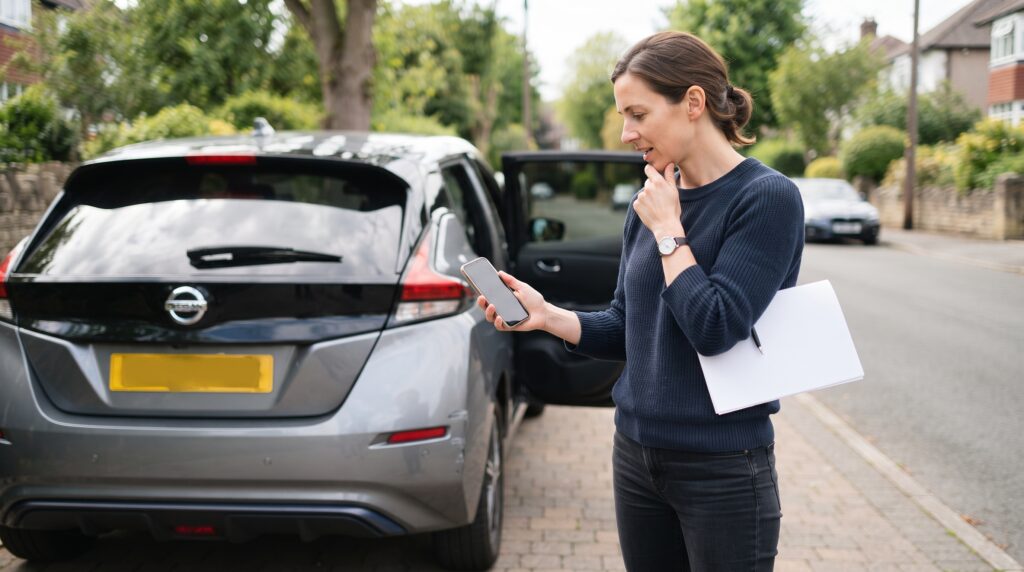
A claim needs facts before opinions. Record what happened, when it happened and who was involved while the details are still fresh.
If there was theft, injury, a road blockage or another serious issue, official reporting may also be needed. Keep any police or crime reference with the claim notes.
Details To Gather
Use the table below to prepare the information that can help start a claim and reduce back-and-forth later.
| Detail | Why it helps | Example record |
|---|---|---|
| Date and time | Places the event in the policy period | Calendar date and approximate time |
| Location | Shows where the incident happened | Road name, car park or postcode |
| Driver details | Confirms who was driving | Name, licence and contact details |
| Other vehicles | Supports third-party contact | Registration, make and insurer if known |
| Photos | Shows damage and scene context | Vehicle, road, signs and conditions |
| Witnesses | May support what happened | Names and contact details |
| Police reference | Useful for theft, injury or crime | Incident or crime number |
Check Policy Details Too
The claim is about the event, but policy details still matter. Check the certificate, schedule, excess and use class.
If the car was being used for commuting, business or paid work, the policy should match that use. A mismatch can create problems.
What Not To Do
Do not admit fault at the scene if you are unsure. Record facts, exchange details where appropriate and keep evidence safe.
Do not repair or dispose of damaged parts before checking what evidence the insurer may need. Keep photos and invoices together.
At The Scene Or Shortly After
Safety comes first. Once it is safe, record the facts without arguing about fault. The claim can be assessed later.
Take photos from several angles if it is safe to do so. Include vehicle positions, damage, road layout, signs and weather where relevant.
GOV.UK explains what to do if you are in an accident, including when details must be exchanged or the incident must be reported.
The Details A Claim Handler May Need
The insurer may need to confirm who was driving, what the car was being used for, whether anyone was injured and whether another vehicle was involved.
If the car was recovered, repaired or stored, keep invoices and recovery notes. These can help explain what happened after the incident.
Why Quote Details Still Matter
A claim can expose old quote details. Mileage, use class, named drivers, address and modifications should match the policy record.
If you spot an old mistake while preparing a claim, keep the facts clear. Do not change documents or dates to make the story fit.
The Motor Insurers' Bureau explains how claims data can be recorded through industry databases such as CUE. Its data and privacy guidance is a useful official reference.
Claim Preparation Quote Details To Keep Consistent
For this topic, consistency matters as much as the answer itself. If you compare quotes with one set of details, then change the wording on the next journey, the prices and policy terms may not compare fairly.
Keep the same driver, address, vehicle, mileage, use class, claims and payment details across each quote. If a detail changes because you found a better record, restart the comparison with the corrected answer.
Claim Preparation Records Worth Keeping
Keep a small evidence pack for the detail you are checking. That might include renewal notices, policy schedules, claim letters, V5C details, payment records, screenshots from official checks, or emails from a previous insurer.
The record does not need to be complicated. It should help you answer future quote questions without guessing, especially if the same issue comes up again at renewal or after a policy change.
Claim Preparation Checks At Renewal
Renewal is a useful point to recheck the detail rather than copying last year's answer. Your mileage, job, commute, parking, named drivers, claim status, vehicle use or payment preference may have changed.
If the old answer no longer matches real life, update it before comparing. A quote that starts from stale details can look useful but may not describe the policy you actually need.
Before Comparing Car Insurance Quotes
Treat What Details Do You Need Before Making A Car Insurance Claim? as a preparation step, not the whole buying decision. Once the detail is clear, compare the final price, excess, fees, cover level and policy wording together.
For the wider quote step, use car insurance and keep the supporting documents nearby. The aim is to compare policies with details you can support if the provider asks later.
Final Checks Before Choosing Cover
Before you choose a policy, read the final quote summary rather than relying on the first price shown. Check the driver, car, address, use, mileage, excess, payment method and any assumptions made during the journey.
If any detail is wrong, correct it before buying. A slightly slower comparison is better than keeping a quote that does not match the car, driver or records you hold.
Claim Detail Priority Chart
This chart shows the details most useful to prepare before making a car insurance claim.
Prepare facts and evidence first. Let the insurer decide how the policy applies.
FAQs
What information do I need for a car insurance claim?
You may need date, time, location, driver details, other vehicle details, photos, witnesses and policy details.
Do I need photos for a car insurance claim?
Photos can help show damage and scene details, but follow the claim process and keep copies safe.
Should I report a car accident to the police?
Some incidents must be reported. Check official rules if there is injury, theft, damage or a failure to exchange details.
What if I do not know every claim detail?
Record what you know accurately. Do not guess dates, names or locations.
Will a claim affect future car insurance?
It may affect future quotes. Answer claim-history questions accurately when comparing later.