














DR61 Blood Test Refusal Conviction: Points, Ban And Years On Your Licence
Yes, you can look for car insurance with a DR61, through specialist brokers who search for insurers that consider drink-related convictions. MoneyHelper says an unspent conviction will probably mean a specialist or non-standard policy.
- Points10Penalty points, unless the court bans you instead.
- On your licence11 yearsFrom the date of conviction.
- BanPossibleNot automatic, but a ban makes you a high risk offender.
- Insurers may see it5 yearsThe first 5 of the 11 years (30 months if under 18).
In court you could get up to 3 months in prison and a fine of up to £2,500.
Loading...
What Is A DR61 Motoring Conviction?
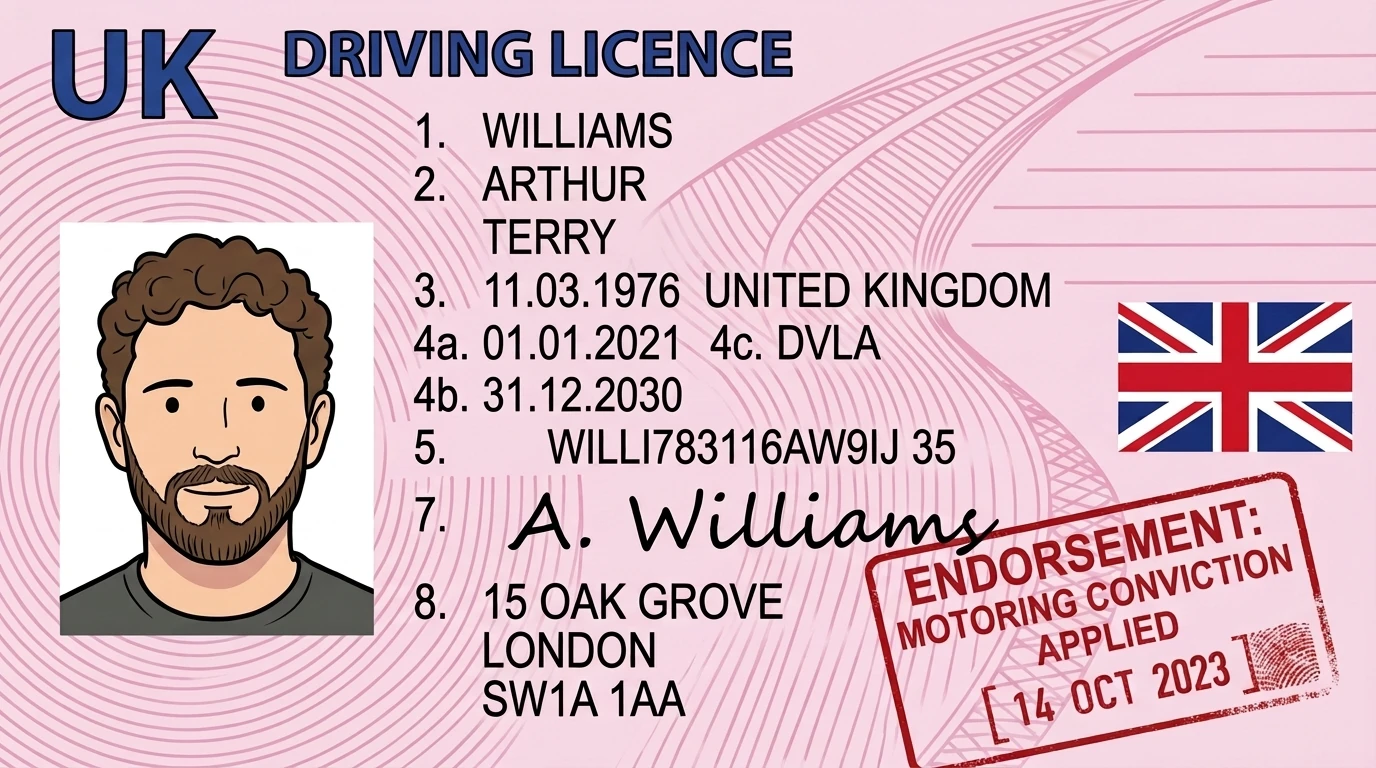
DR61 is the endorsement code for refusing to give permission for a blood sample to be analysed, when the sample was taken while you couldn't consent and you weren't driving or attempting to drive.
If you'd been driving or attempting to drive, the same refusal is DR31, which carries 3 to 11 points and an obligatory ban. A DR61 carries 10 points and a possible ban. Both stay on your record for 11 years from conviction.
DR61 Conviction Penalties In Court
The penalty table in the Road Traffic Offenders Act sets a maximum of 3 months in prison and a level 4 fine, which is up to £2,500, when you weren't driving. The ban is discretionary, and the code carries 10 points.
GOV.UK says 12 or more points within 3 years can lead to a ban, and a new driver's licence is cancelled with 6 or more points within 2 years of passing the test, which means passing the theory and practical tests again.
 DR61
When A Blood Sample Is Taken Without Your Consent
After an accident, the police can ask a doctor or health professional to take a blood sample from someone who can't consent for medical reasons, for example because they're unconscious, if they could otherwise have asked that person for a blood sample. The doctor decides whether to take it. The sample can't be tested until you've been told it was taken and asked for your permission, with a warning that refusing could lead to prosecution. Refusing without a reasonable excuse is the DR61 offence.
In hospital, the doctor in charge of your care must be told first, and can object if taking the sample or asking for permission would harm your care.
High Risk Offender Rules After A DR61 Ban
A ban for refusing to allow a blood sample to be tested makes you a high risk offender. Your licence doesn't come back automatically. You'll get a renewal form 90 days before the ban ends, and you'll need to pass a medical with one of DVLA's doctors, which you pay for.
Why A DR61 Stays On Your Record So Long
DR61 is one of the drink codes that stay on your record for 11 years, like DR10, even though you weren't driving. For insurance, what matters more is when it's spent, which is usually much sooner.
Sources: the Road Traffic Act 1988, GOV.UK disqualification for drink driving and GOV.UK how long endorsements stay, checked 14 October 2026.
This information is based on our understanding of current law and insurance practice at the time of writing. Rules, penalties and rehabilitation periods can change and may apply differently depending on individual circumstances.
Can You Get Car Insurance After A DR61 Conviction?
Yes. Specialist brokers can look for insurers that consider a DR61, though not every insurer will quote. It stays on your record for 11 years, but once it's spent you don't have to declare it, even if asked. Read how spent convictions work for insurance for the general rules.
Getting Back On The Road After A DR61 Ban
If the court banned you, don't drive until the ban has ended and your licence is back, and have cover in place before your first drive. As a high risk offender you'll need to pass the DVLA medical first. The next steps are in insurance after a disqualification ends.
Do You Have To Tell Your Insurer About A DR61?
Yes, whenever the insurer's questions cover it, until it's spent. Give the code, offence date, conviction date and points exactly as your paperwork shows. If you get it during a policy, MoneyHelper says you don't have to declare it until you renew, unless your policy says you must.
What Cover Can You Get With A DR61 Conviction?
Car insurance after a DR61 comes in the same three levels as any policy: comprehensive, third party, fire and theft, and third party only. Comprehensive may still be available through specialist brokers, though some insurers may only offer the lower levels or ask for a higher excess.
Driving a van or riding a motorbike? Those insurers may ask about a DR61 too, so see van cover after a DR61 or motorbike insurance with a DR61.
Please note that policy features, benefits, terms and conditions vary among insurance providers, so always check the policy wording.
Cover Tip: If you're a high risk offender, your licence only comes back once DVLA is satisfied after the medical. Allow for that when you pick a policy start date.
Telling Your Insurer About A DR61 Conviction
Insurers may be able to find out about a DR61 for the first 5 years it's on your record, so answer their conviction questions accurately. For timings, read how long to declare a driving conviction.
- Answer The Conviction Questions Accurately - Under the Consumer Insurance (Disclosure and Representations) Act 2012, what an insurer can do about a wrong answer depends on whether it was careless, or deliberate or reckless. MoneyHelper says an insurer can reject a claim if it has reason to believe you didn't take reasonable care to answer its questions truthfully and accurately.
- Insurers May Be Able To See It For 5 Years - GOV.UK says insurers may be able to find out about an 11-year endorsement during its first 5 years, or the first 30 months if you were under 18. A DR61 stays on your record for 11 years, and most insurers' questions go back 5 years.
- What Can Happen If Details Are Wrong - The Financial Ombudsman says an insurer might charge more, restrict the policy, settle a claim only in part, or cancel the policy from the start, so an ongoing claim is declined.
- When A DR61 Is Spent - In England and Wales, an adult's endorsement is spent 5 years from conviction (2.5 years if you were under 18), and a ban longer than 5 years is spent when it ends. So a DR61 stays on your record for 11 years but is usually spent at 5, unless the ban is longer. MoneyHelper says you don't need to declare a spent conviction when you apply for insurance, even if you're asked.
How Does A Blood Test Refusal Conviction Affect Your Insurance Price?
There's no single price for car insurance after a DR61. GOV.UK says a drink-driving conviction means car insurance costs will increase significantly. These are the things that can shape a quote.
| Key Factor | Impact on your price |
|---|---|
| How recent the DR61 is | A recent conviction may be priced higher. Don't assume the price falls at every renewal, as each insurer sets its own rules. |
| Points or a ban | If the court didn't ban you, you'll have 10 points. If it did, the high risk offender rules apply before your licence comes back. |
| Other codes on your record | With 10 points from a DR61, any more points may narrow the choice of insurers, and 12 or more within 3 years can lead to a ban. |
| The car you choose | Its value, power and any modifications all count. MIB says unmodified cars are generally cheaper to insure. |
| Mileage, use and parking | Give a realistic mileage, the right type of use and where the car is kept. MIB says wrong or out-of-date details can leave you uninsured without realising. |
The quotes you get will depend on your own details.
Price Insight: A key date is when your DR61 is spent, usually 5 years from conviction for an adult in England and Wales, unless a ban runs longer. Compare again then, as you won't have to declare it from that date, even though it stays on your record.
How Can You Help Reduce Insurance Costs After A DR61 Conviction?
A DR61 needs declaring until it's spent, but the details around it are yours to change.
Ask About A Black Box Policy
Ask whether a black box policy is offered after a DR61. MIB says telematics policies can reward safe driving with lower premiums over time.
Check The Insurance Group First
Check the group before you buy a car. MIB says lower-group cars are typically smaller, cheaper to repair and more affordable to insure.
Keep The Excess Affordable
Raise the voluntary excess only to a level you could pay if you claimed. MIB says a higher excess can reduce the premium.
Quote Before You Need Cover
MIB says quotes are likely to be lowest 20 to 26 days before your renewal is due, and starting early leaves time to compare.
Our Expert On A DR61 Blood Test Refusal Conviction
A DR61 comes out of a stressful moment: blood taken after an accident while you couldn't consent, then a request for permission to test it. Refusing can mean 10 points or a ban, but it doesn't stop you getting insured again.
The 11 years on your record worry people most. But GOV.UK says insurers may be able to find out about an 11-year endorsement during its first 5 years, and an adult's endorsement is usually spent after 5 years unless a ban runs longer.
My rule of thumb: note the date your DR61 will be spent, and compare quotes again once it passes, as you won't have to declare it from then on.
Insurance Expert & Co-founder of Clean Green Cars

DR61 Blood Test Refusal Conviction Insurance Questions
How Long Do I Need To Declare A DR61?
Until it's spent, whenever an insurer's questions cover it. For an adult in England and Wales that's usually 5 years from conviction, or when a longer ban ends, even though the DR61 stays on your record for 11 years.
What's The Difference Between A DR31 And A DR61?
What you were doing at the time. A DR31 is the same refusal after driving or attempting to drive, with an obligatory ban. A DR61 covers other cases, with 10 points or a possible ban.
Will I Be Banned For A DR61?
Not automatically. The court may disqualify you, and if it doesn't the code carries 10 points. New drivers can lose their licence anyway, as 6 or more points within 2 years of passing cancels it.
Am I A High Risk Offender With A DR61?
Only if you were banned. GOV.UK says refusing to allow a blood sample to be tested for alcohol makes you a high risk offender, so you'll need a DVLA medical before your licence comes back.
Why Was Blood Taken Without My Consent?
Because you were involved in an accident and couldn't consent for medical reasons. The law lets a doctor or health professional take a sample at the police's request, but it can't be tested without your permission.
What Happens After I Submit My Details?
Clean Green Cars introduces you to specialist brokers who consider DR61 convictions. They contact you with quotes based on your details, and you're under no obligation to accept any quote.
What To Have Ready Before Comparing Quotes With A DR61 Conviction
Have these to hand before you get quotes.
- Your DR61 offence date and conviction date
- Your points, or your ban start and end dates
- When DVLA returned your licence, if you were banned
- The car's registration and where it's kept overnight
- Your annual mileage, type of use and claims history
Compare DR61 Blood Test Refusal Conviction Insurance Quotes
Sources For DR61 Blood Test Refusal Conviction Facts
- GOV.UK: endorsement codes and penalty points - DR61 points and 11 years on your record (checked 14 Oct 2026).
- GOV.UK: how long endorsements stay - when insurers may be able to find out about it (checked 14 Oct 2026).
- Road Traffic Offenders Act 1988, schedule 2 - maximum penalty, discretionary ban and 10 points (checked 14 Oct 2026).
- GOV.UK: disqualification for drink driving - the high risk offender rules and the DVLA medical (checked 14 Oct 2026).
- Financial Ombudsman: misrepresentation - what an insurer can do if an answer is wrong (checked 1 Oct 2026).