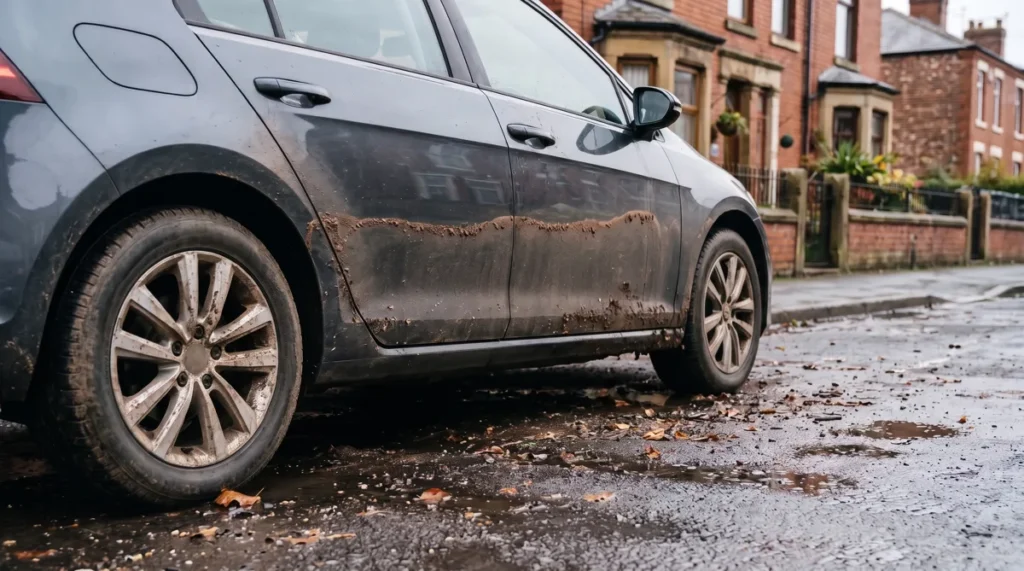
Why A Flood Claim Can Pay Less Than You Expect
Your insurer has to treat a flood claim fairly, but your policy still sets the limits. Under the FCA's claims handling rules, insurers must handle claims promptly and fairly, and must not unreasonably reject a claim.
Fair doesn't mean everything gets paid. The level of cover you chose, how the car got wet, your excess and the way write-offs are valued all shape what you get back. If you're not sure where your own policy stands, start with how car insurance cover works, then check each point below against your policy wording.
1. Flood Damage On A Third Party Or TPFT Policy
Your own car isn't covered. Damage to your own car from a storm or flood needs comprehensive cover, and lower levels of cover don't include it.
The ABI's guidance on storm damage says comprehensive motor insurance covers storm damage to your vehicle. It also says third party, fire and theft (TPFT) cover doesn't cover storm damage. If someone else or their property damaged your car, such as a falling roof tile, you'd need to show they were at fault to claim against them. Third party only gives you less cover than TPFT, so it doesn't help either.
Check the cover level on your schedule before the bad weather arrives. If it doesn't say comprehensive, see what fully comprehensive car insurance covers and ask your insurer whether you can change it.
2. Driving Into Floodwater You Could See
A claim can be refused if you drove into water you could see. It isn't an automatic exclusion, but a policy can ask you to take reasonable steps to protect your car, and visible floodwater tests that.
In a Financial Ombudsman decision on visible floodwater, the policy said the driver must take all reasonable steps to prevent loss or damage to the car. The ombudsman found the water would reasonably have been observable and that the driver made a conscious decision to drive through it. In an ombudsman decision about driving past an amber flood warning, the ombudsman found it fair for the insurer to decline a claim where the driver knew the road and an amber flood warning and road closed signs were in place.
Decisions go both ways. The ombudsman has made an insurer pay where a driver stopped to assess a ford and crossed at 2 to 3mph, and upheld a complaint about a flooded road at night where it didn't think the driver had acted negligently. In that case the road was narrow and other cars were getting through safely. If you do get through deep water, the Highway Code says your brakes may be less effective, so test them gently at the first safe opportunity. There's more in the guide to winter car checks that could affect your cover.
3. Leaving Your Car Where The Water Is Rising
If a flood warning gives you time, move the car. The ABI's flood advice is plain: if you have a car, try to move it to higher ground. It's a simple step that the insurers' own trade body points drivers to.
Policies set out what they expect of you in their conditions section. The policy in the first ombudsman case above said the driver must take all reasonable steps to prevent loss or damage to the car. No source says leaving a car in rising water breaks that kind of condition, and each claim is judged on its own facts. Moving the car when you've had a warning simply takes the question off the table.
If you're not sure what your policy says about protecting the car from damage, read the conditions section of your policy wording or ask your insurer before the next flood warning, not after it.
Your Flood Claim Checklist
The five points as a checklist, from the ABI, the Financial Ombudsman and the Highway Code.
Before The Bad Weather
- Check you have comprehensive cover, which covers storm damage to your vehicle
- Know that third party, fire and theft doesn't cover storm damage
- Move your car to higher ground if you can
On The Road
- Know that driving into floodwater you could see can count against a claim
- After deep water, test your brakes gently at the first safe opportunity
If You Claim
- Expect your policy excess to come off the payout
- A write-off is valued at what a reputable dealer would have sold the car for just before it was damaged
- Check the offer against the highest trade guide value
From ABI storm and flood guidance, Financial Ombudsman decisions and write-off guidance, and the Highway Code, checked 29 October 2026.
4. The Excess On Your Flood Claim
Your excess still comes off the payout. A flood claim is paid less your policy excess, and that includes a write-off settlement.
In an ombudsman decision on a flood write-off, the ombudsman said the insurer should have paid the pre-loss market value less the policy excess. The settlement figure shows £1,300 of excess taken off. Here's more on how car insurance excess works.
Check the total excess on your schedule now. If you ever raise your voluntary excess to bring the price down, keep it to an amount you could afford to pay if you claim.
5. More Than Your Car's Market Value
A written-off car is usually settled at market value, not what you paid for it.
The Financial Ombudsman's guidance on vehicle valuations and write-offs says market value is the price the car would have sold for at a reputable dealership just before it was damaged. It checks valuations against trade guides. Unless other evidence supports a lower figure, it's likely to tell the insurer to use the highest guide value. Some policies promise a replacement vehicle instead, so check whether yours does.
If the offer looks low, ask your insurer how it reached the figure and compare it with the trade guide values. If you have evidence the car was worth more, such as recent adverts for the same model, age and mileage, send it to your insurer with your reply. Here's more on what happens to your policy if your car is written off.
What To Do Next
Check three things on your schedule today: your cover level, your total excess and whether your policy offers a replacement car or market value on a write-off. If a flood warning is issued, move the car to higher ground if you can, and remember that driving into water you can see can count against a claim.
If a claim is refused or the settlement looks low, ask your insurer to explain the decision and the policy wording behind it. The Ombudsman cases in this list all started with a driver's complaint, and some went the driver's way.
You can compare car insurance quotes when you're ready.
FAQs
Does Comprehensive Car Insurance Cover Flood Damage?
Usually, yes. The ABI says comprehensive motor insurance covers storm damage to your vehicle, and that's the cover level you need for flood damage to your own car. Your policy conditions still apply, such as taking reasonable steps to protect the car.
Does Third Party Fire And Theft Cover Flood Damage?
No. The ABI says third party, fire and theft doesn't cover storm damage. If someone else or their property damaged your car, you'd need to show they were at fault to claim against them.
Will My Insurer Pay If I Drove Through Floodwater?
It depends. The Financial Ombudsman has backed insurers that refused claims where the water was clearly visible, and made insurers pay where a driver stopped, assessed the water and went through slowly. Your policy wording and the facts decide it.
How Much Will I Get If A Flood Writes Off My Car?
Usually the market value, less your excess. The Financial Ombudsman says market value is what the car would have sold for at a reputable dealership just before it was damaged, checked against trade guides.