Separate Family Use From Passenger Work
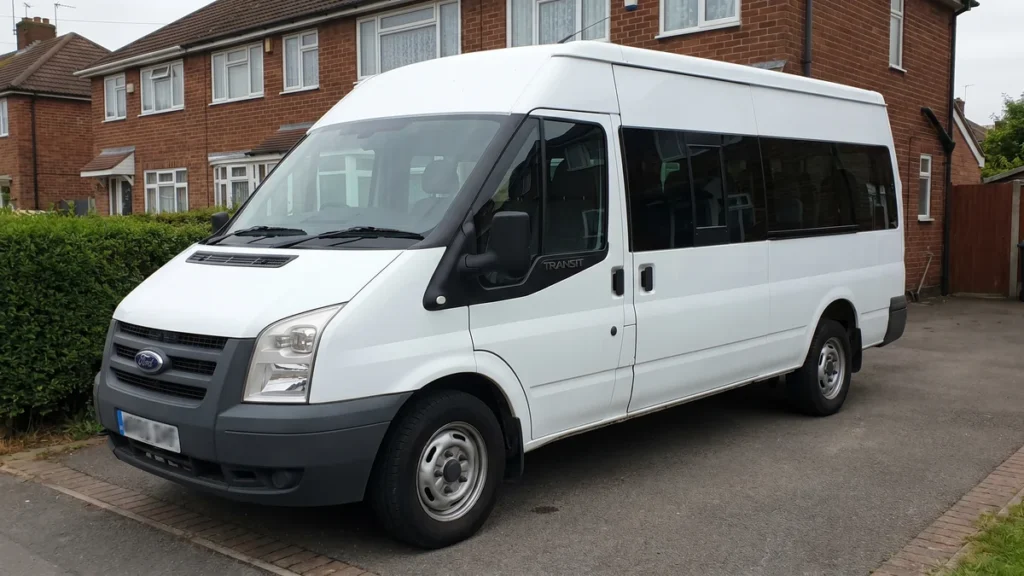
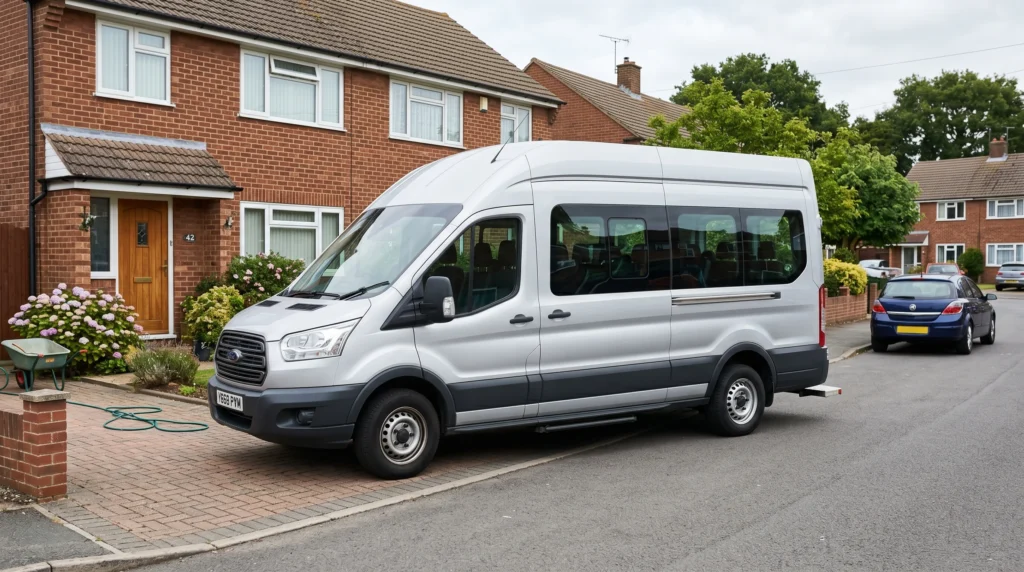
The next step is to describe the vehicle and use in plain terms. A minibus usually means a vehicle with more than 8 passenger seats and no more than 16 passenger seats, so an 8-passenger vehicle plus driver is not the same as 9 passenger seats plus driver.
A vehicle used for family trips, private travel or carrying relatives is different from one used by a club, charity, school, care organisation or paid passenger service. Insurers may ask whether the vehicle is used socially, for commuting, for business, by an organisation or for hire or reward. Answering this accurately matters more than trying to force the vehicle into ordinary car or van wording.
Do not describe the minibus as simple private family use if it is also used for organised transport, paid passenger journeys, club trips, school work, charity journeys or business travel.
What Private-Use Insurers May Want To Know
A private-use quote can be blocked by unclear vehicle or driver details. Gather the basics before comparing so the questions match the actual minibus.
| Detail | Why It Matters | What To Prepare |
|---|---|---|
| Passenger seats | Seat count can affect vehicle classification and insurer appetite. | Use the V5C, advert and actual fitted seats. |
| Driver licence | Entitlement and insurer acceptance are separate checks. | Licence category, age and full-licence date. |
| Use | Private use differs from business, charity or paid journeys. | Declare family, social, commuting or business use accurately. |
| Ownership | Owned, borrowed, hired or leased vehicles can be treated differently. | Keeper and owner details. |
| Modifications | Seating, ramps or accessibility changes may need declaring. | Vehicle adaptations and supporting documents. |
Licence And Use Still Need A Short Check
Private use does not remove the licence question. GOV.UK driving-a-minibus guidance explains when some car-licence drivers may be able to drive a minibus, but those conditions are separate from whether an insurer will offer cover.
Licence entitlement, insurer acceptance, permit position and hire-or-reward checks should be kept separate, even where the minibus is mainly used socially.
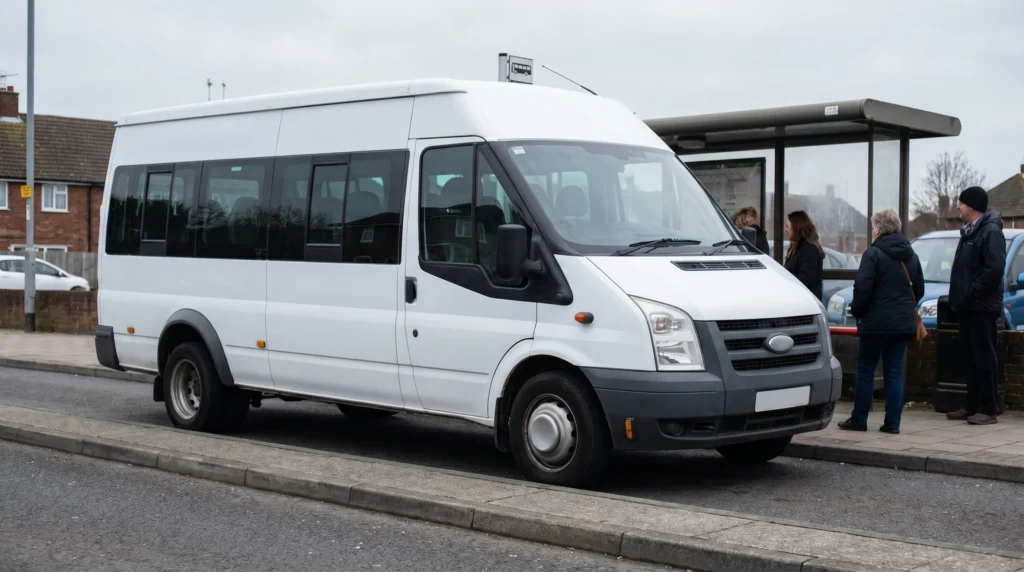
If the vehicle is used for hire or reward, the position changes. Hire or reward can include payment or an arrangement that gives passengers the right to travel, so organisation, business and paid-passenger use should not be described as simple private family use.
When A 9-Seater Needs A Closer Look
Many private-use questions start with a 9-seat vehicle. If the vehicle has 9 seats including the driver, it may be treated differently from a vehicle with 9 passenger seats plus the driver.
Check the V5C, advert and the fitted seats in the vehicle itself, because small wording differences can change how the quote questions should be answered.
For that seat-count distinction, see whether a 9-seater is classed as a minibus. If the vehicle is specifically a 9-seat passenger vehicle, 9-seater minibus insurance may be the closer comparison point.
Private Use Does Not Mean No Checks
Private use can sound simple, but an insurer may still look carefully at driver age, claims, convictions, where the vehicle is kept, annual mileage, seat count and whether the vehicle is modified.
Susan's note: The clearest private-use quotes usually come from accurate details. Do not describe a vehicle as private use if it also carries passengers for an organisation, a business or any paid arrangement.
When To Compare Cover
If the vehicle is a private or family minibus and ordinary car questions do not fit, compare minibus insurance only after the real use, seat count and driver details are clear.
When Private Use Turns Into Something Else
Family minibus use rarely stays perfectly private all year. A vehicle bought for family trips can end up doing the school run for a wider group, an occasional airport pickup for a friend's family, or a one-off house move for relatives. None of these single events necessarily change the cover needed, but a pattern of regular journeys for people outside the immediate family is different from a one-off favour.
Insurers generally look at the overall pattern of use rather than a single trip. If private use starts to include regular journeys that benefit people outside the household, for example a rota of driving other families' children alongside your own, that shift is worth declaring rather than assuming it still counts as ordinary family use.
When Family Use Becomes Charity Or Community Use
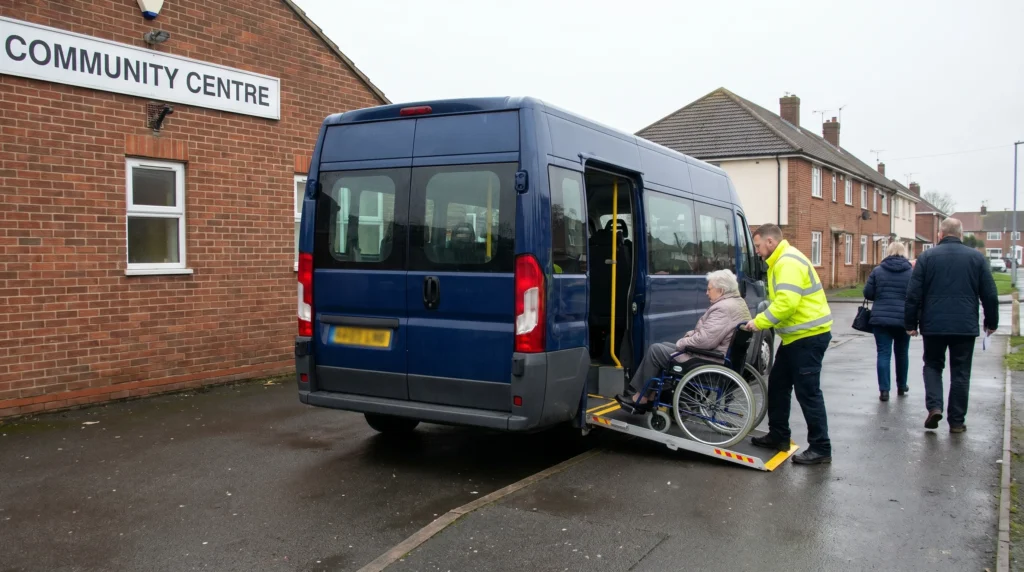
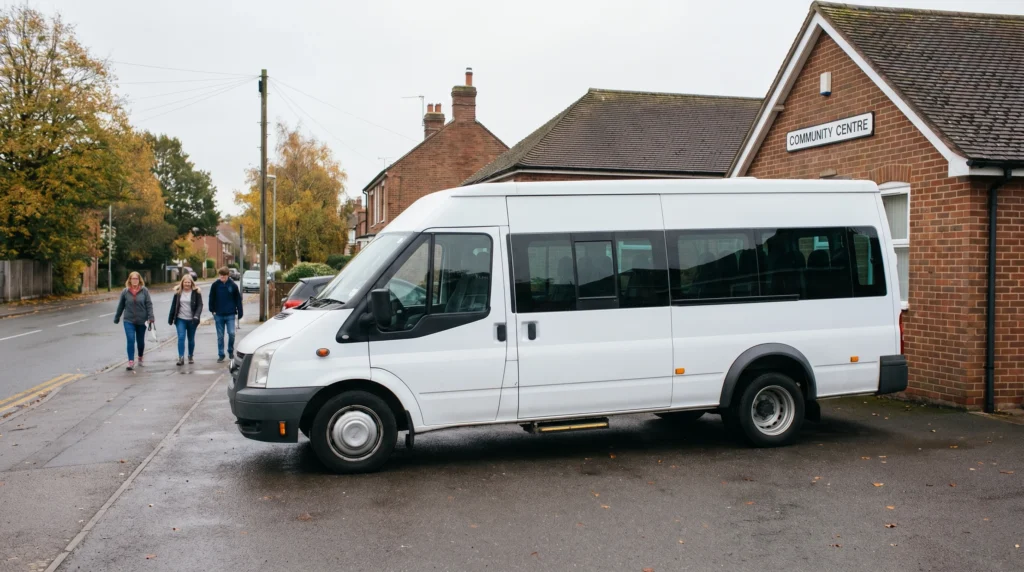
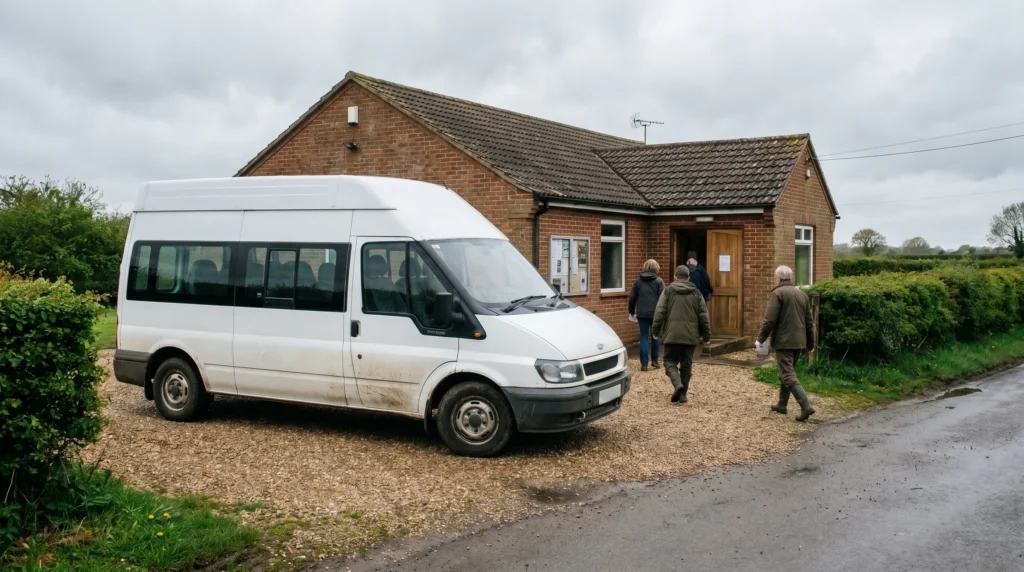
Some family minibuses end up shared informally with a local charity, church group or community club, often starting as a favour before it becomes a regular arrangement. Once that happens, the vehicle may need charity minibus insurance instead of private cover, even if the same family member is still doing the driving.
Multiple Drivers In One Family
Many family minibuses have more than one driver, which raises questions a single-driver car policy does not usually need to answer.
| Driver Detail | Why It Matters For A Family Minibus |
|---|---|
| Named drivers vs any-driver cover | A minibus policy may need every regular driver named, rather than allowing anyone with permission to drive as some car policies do. |
| Mixed licence dates and ages | Where one parent passed their test years ago and another is a newer driver, insurers may price or restrict cover per named driver. |
| Occasional adult drivers | A grandparent or relative who drives the minibus only occasionally may still need to be declared as a named driver, even if they are not the main user. |
Leaving an occasional family driver off the policy to save on the quote could create a bigger problem if that person needs to drive and is not covered.
When A Change In Use Should Be Reported
If private or family use changes, for example moving from purely personal trips to occasionally helping a local community group or volunteering to drive for a charity event, that change in use should usually be reported to the insurer rather than left unstated. Community and volunteer driving can also raise permit questions separate from insurance. See whether a Section 19 permit is needed for a minibus if that kind of use becomes regular.
Susan's note: The safest approach with a family minibus is to treat any regular new use as a reason to check the policy again, not to assume the original private-use description still covers it.
FAQs
Can I get private minibus insurance for family use?
It may be possible if the vehicle, drivers and use fit insurer criteria. Make sure the quote reflects private or family use rather than business, charity or paid passenger work.
Is private minibus insurance the same as car insurance?
Not necessarily. A large passenger vehicle may need specialist questions around seats, driver entitlement, use and vehicle details, even when it is only used privately.
Can I insure a 9-seater for family use?
Possibly. Check whether the vehicle has 9 seats in total or 9 passenger seats, then compare cover using the exact seat count and use.
Does private minibus cover allow paid passengers?
Usually you should not assume that. Paid passenger journeys, hire or reward and organised transport may need different checks and may not fit private-use cover.
Do all family drivers need to be named on a private minibus policy?
Often, yes. Family minibus cover may need every regular driver named individually rather than allowing any driver with permission, so check whether occasional adult drivers in the family are included.
Can I use a private minibus for occasional business trips?
Only if the policy allows the use. Declare business use before relying on cover, because social-only wording may not be suitable.