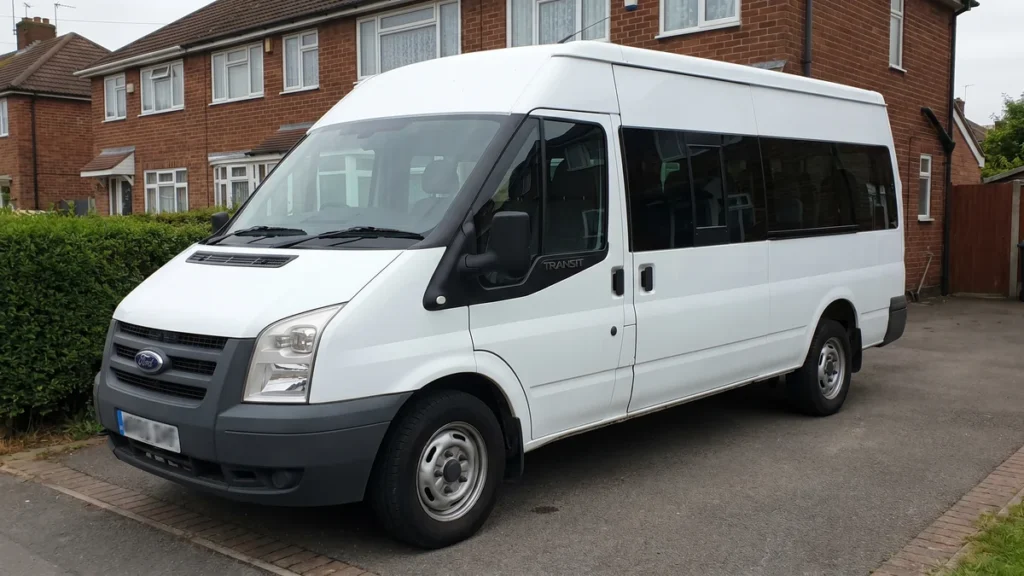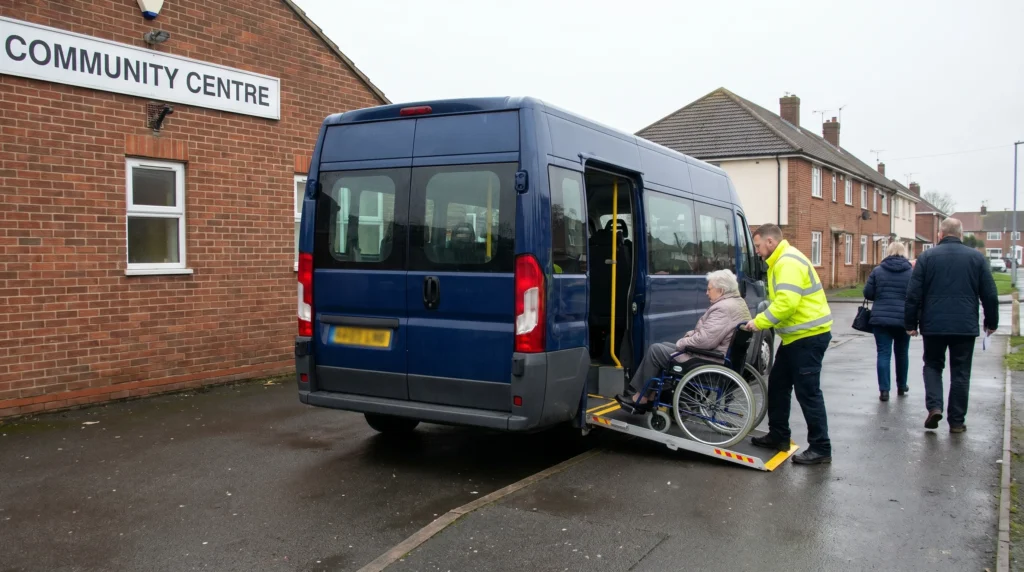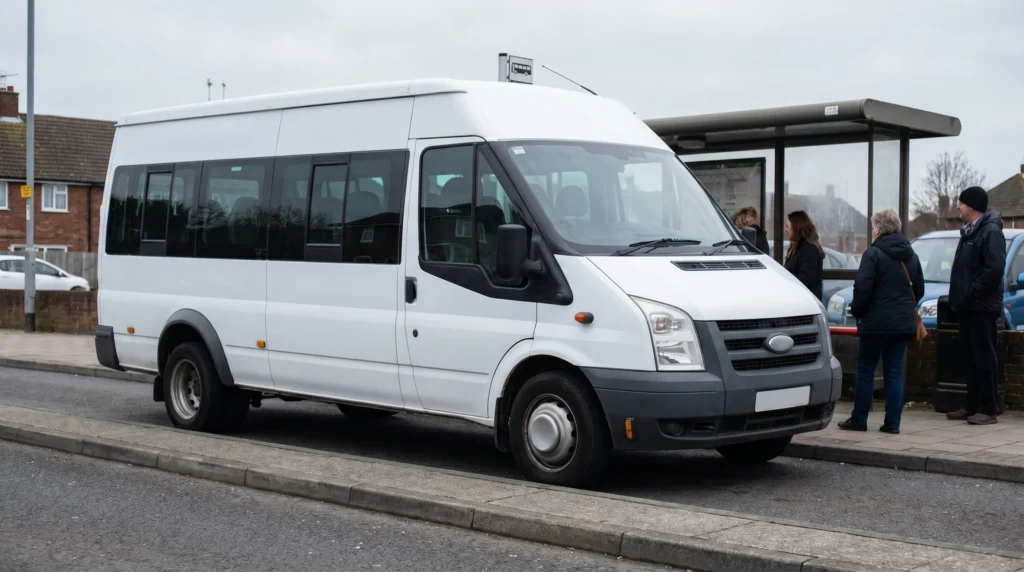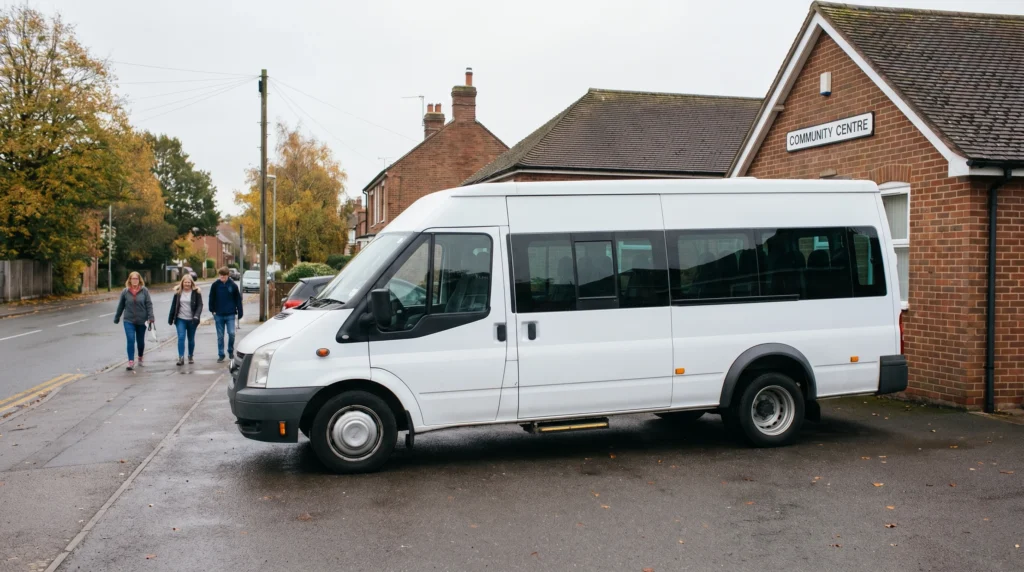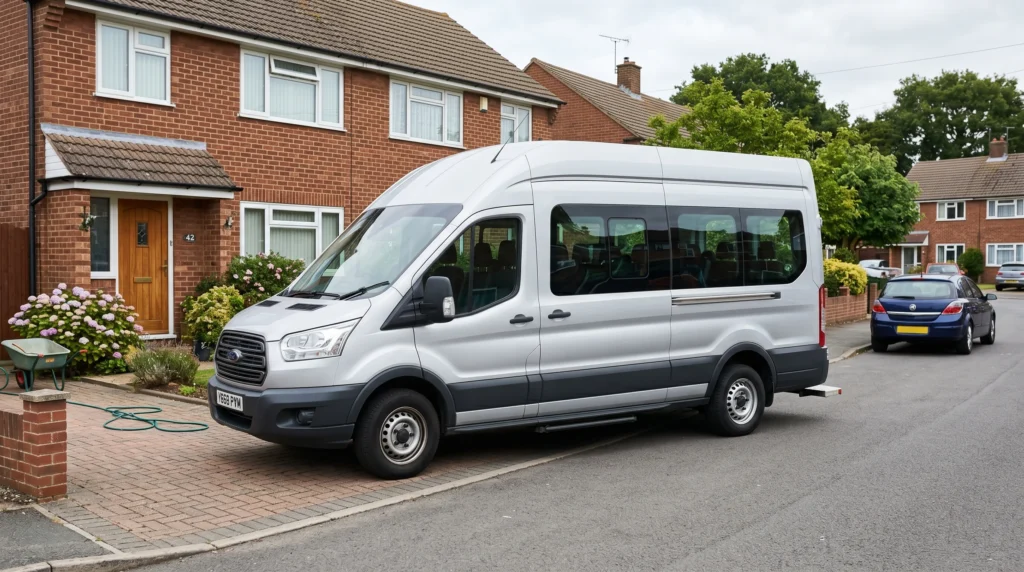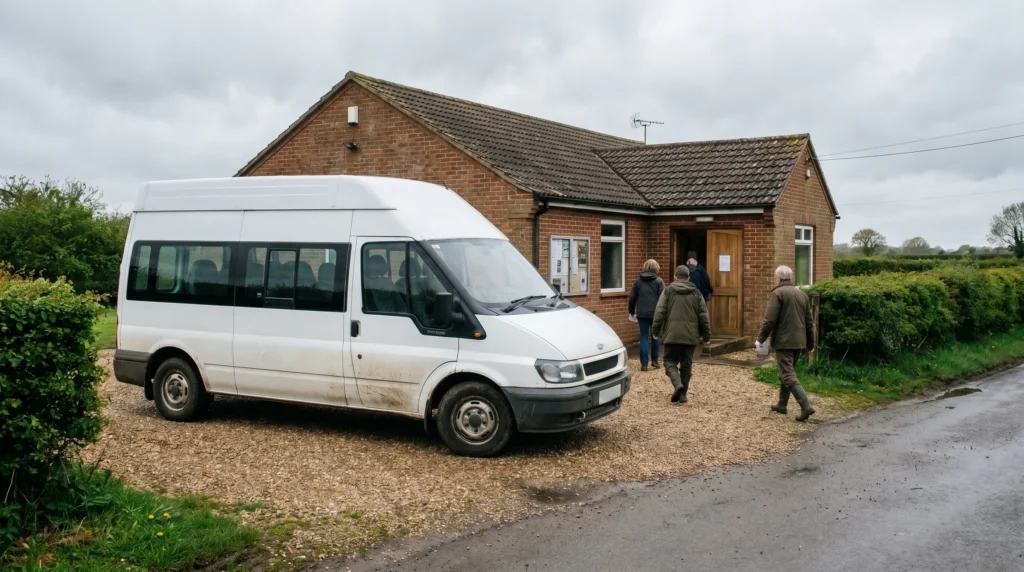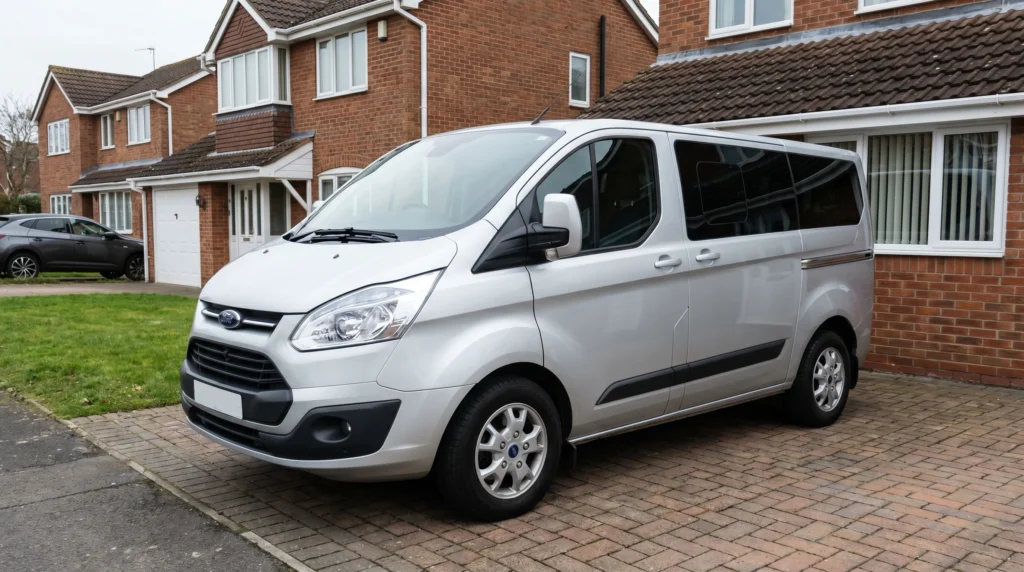
Check How The Vehicle Is Recorded
The next step is to check how the vehicle is recorded and used. Seat count can affect licence rules, permit checks and the questions insurers ask before offering cover.
Under UK minibus rules, a minibus is generally a vehicle built or adapted to carry more than 8 but not more than 16 passengers in addition to the driver. Insurers may still ask their own questions before deciding how to treat the vehicle.
This is why the same vehicle can be described casually as a 9-seater, but still need a more careful check before you drive it, insure it or use it for a club, school, charity or paid passenger journey.
For insurance, the label is only part of the question. Insurers may also look at the registration, body type, number of seats, driver details and how the vehicle is used.
Why Passenger Seats Matter
People often count seats differently, which can affect licence and insurance questions. Use the table below to separate everyday wording from the checks that may matter before you compare quotes.
| Situation | What It May Mean | Best Next Step |
|---|---|---|
| 9 seats including the driver | Often 8 passenger seats plus the driver, so not the same as 9 passenger seats. | Check the V5C, body type and insurer questions. |
| 9 passenger seats plus the driver | This means the vehicle has more than 8 passenger seats. | Check licence, permit and specialist insurance requirements. |
| Family or private use | The checks may be simpler than organised passenger use. | Declare the exact vehicle and who will drive it. |
| School, club or charity use | Passenger, permit and driver checks may be more detailed. | Confirm the use, driver entitlement and passenger arrangements. |
| Paid passenger use | Hire or reward can change the position. | Do not rely on ordinary private-use cover. |
Licence Checks Before You Drive
Legal entitlement is separate from insurance acceptance. You may be allowed to drive a vehicle under licence rules, but an insurer can still apply its own criteria before offering cover.
GOV.UK says you might be able to drive a minibus with up to 16 passenger seats on a car licence if there is no payment from or on behalf of passengers and all the conditions apply. These include being 21 or older, holding your licence for at least 2 years, meeting medical standards if over 70, driving on a voluntary basis for social purposes by a non-commercial body, not towing a trailer, and staying within the maximum authorised mass limits.
The weight check can also matter. GOV.UK lists a maximum authorised mass limit of 3,500kg, or 4,250kg for electric or hydrogen vehicles, with an extra allowance for equipment used to carry disabled passengers.
If the journey involves payment, organised transport or commercial use, the checks can change. Treat fares, passenger contributions, pooled costs or payments made on behalf of passengers as a reason to check the rules before driving. GOV.UK Section 19 and 22 permit guidance explains that permits may apply where certain voluntary or community organisations charge running costs. These permits sit alongside driver, vehicle and insurance checks. They do not turn an unsuitable licence or policy into a suitable one.
Susan's note: Treat the licence check and the insurance check as two separate jobs. The safer starting point is to confirm the passenger-seat count, planned use and driver entitlement before relying on any policy.
Car, Van, MPV Or Minibus Insurance?
A 9-seater can sit awkwardly between everyday car wording and specialist passenger-vehicle wording. That is why quote questions may ask for more than the make and model.
Some family vehicles may be treated more like large MPVs. Other 9-seaters, especially those used by schools, clubs, charities, community groups or businesses, may need more specialist insurance checks. If yours sits on the minibus side, see your minibus insurance options.
Do not assume van insurance is an easy alternative if the vehicle is built and used to carry passengers. If the policy wording does not match the vehicle and use, the cover may not be suitable.
What Insurers May Ask For
Before comparing quotes, gather the details that help insurers understand the vehicle clearly. A wrong seat count or use type can lead to questions that do not fit your vehicle.
- Vehicle registration, make and model.
- Exact number of seats, including whether that count includes the driver.
- V5C body type and any notes about vehicle category.
- Whether the vehicle is used privately, by a club, by a charity, by a school, by a business or for paid passenger work.
- Driver age, licence category and how long the licence has been held.
- Claims, points, convictions or bans for each driver.
- Where the vehicle is kept overnight.
- Expected mileage and whether passengers make any payment.
When The Checks Point To Specialist Cover
Once you know whether the 9-seat description includes the driver, the next question is whether ordinary car-style quote questions fit the vehicle and use. If they do not, move from the classification check to the cover comparison.
If you are ready to compare cover for a larger passenger vehicle, start with 9-seater minibus insurance.
FAQs
Is a 9-seater classed as a car or minibus in the UK?
It can depend on whether the vehicle has 9 seats in total or 9 passenger seats. A 9-seat vehicle including the driver often has 8 passenger seats. A vehicle with 9 passenger seats plus the driver is generally within the minibus band for licence and permit checks, while insurers may still apply their own criteria.
Does a 9-seater include the driver?
In everyday adverts, a 9-seater often means 8 passenger seats plus the driver. Official guidance can use passenger-seat wording, so check whether the number you are using includes the driver before comparing quotes or checking licence rules.
Can I drive a 9-seater minibus on a normal car licence?
It depends on the passenger-seat count, weight, licence category and use. GOV.UK says some drivers may be able to drive a minibus on a car licence if strict conditions are met and the journey is not for hire or reward.
Does a 9-seater need minibus insurance?
It may need specialist 9-seater or minibus-style insurance, especially if standard car insurers will not quote or the vehicle is used by a club, charity, school, community group or business. Confirm the seat count and use first, then compare the cover that matches those details.
Is a 9-seater MPV insured as a car?
Sometimes, but not always. The insurer may look at the registration, body type, seats, driver details and intended use before deciding whether the vehicle fits a car, MPV or specialist policy.
Do community groups need specialist 9-seater insurance?
They may. Carrying passengers for a club, charity, school or community group can raise different questions from ordinary family use. If any payment is involved, check permit, licence and insurance requirements before driving.