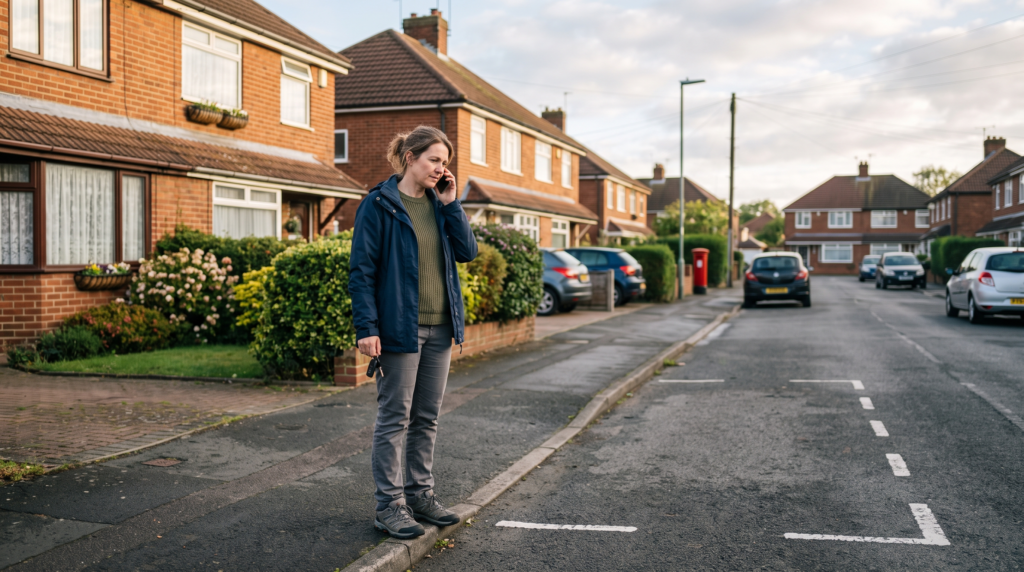
Confirm The Car Has Not Been Moved
Check the exact parking place, household access, authorised drivers and any towing or parking-enforcement information. Use tracking information to help the police, not to confront anyone or recover the car yourself.
Once genuine theft is suspected, do not delay the report while carrying out an informal search.
Report The Theft To Police And Insurer
Give police the registration, make, model, colour, location, keys held and distinguishing details. Obtain a crime reference, then contact the insurer promptly.
The insurer may ask when the car was last seen, security used, finance position and whether all keys can be supplied. Keep accounts factual and consistent.
Build The Theft Claim File
Build the theft claim file from original evidence:
- V5C and purchase details.
- The finance agreement.
- Service history and photographs.
- Modification receipts.
- All available keys.
List personal belongings separately because limits or another policy may apply.
Do not create replacement evidence. Explain any missing key or document honestly and keep copies of everything provided.
| Claim Stage | What It Establishes | Next Step |
|---|---|---|
| First confirmation | Rule out authorised movement or towing | Do not delay a genuine theft report |
| Police report | Crime reference and vehicle details | Pass tracker data safely |
| Insurance claim | Keys, documents, finance and valuation | Keep a complete claim file |
| Recovery | Ownership, damage and roadworthiness | Contact police and insurer before use |
How Valuation And Settlement May Work
If the vehicle is not recovered, the insurer may assess its pre-theft market value under the policy. Finance may be settled first where money remains owing.
Check the excess, valuation evidence and treatment of modifications. If disputing a valuation, use relevant comparable vehicles and the insurer's complaint process rather than an unsupported preferred figure.
DVLA And Personalised Registration Steps
Police tell DVLA about the theft and any recovery. If the insurer settles and takes ownership, the keeper must tell DVLA that the vehicle has been sold to the insurance company.
Recover a personalised registration before telling DVLA that ownership has transferred, following current GOV.UK instructions and deadlines.
If The Vehicle Is Recovered Before Settlement
Tell police and insurer immediately. Do not drive until security, tyres, steering and possible damage have been assessed and insurance status confirmed.
The insurer may arrange inspection or recovery. Preserve items or damage that could assist investigation.
Ask how storage charges and repairs will be handled before authorising non-urgent work.
If Recovery Happens After Payment
Ownership may have passed to the insurer after settlement. Contact police and insurer rather than collecting or using the car.
The insurer will explain the next steps. Do not assume repayment automatically restores ownership.
Keep DVLA, finance and personalised-registration records aligned with the final outcome.
Before Insuring A Replacement Car
Wait until the theft claim and ownership position are clear before describing the old vehicle as replaced. Check whether finance has been settled and what happened to the old policy.
Use the replacement vehicle's accurate value, keeper, drivers and security when comparing car insurance.
Claim Detail Priority Chart
This chart shows the details most useful to prepare before making a car insurance claim.
Prepare facts and evidence first. Let the insurer decide how the policy applies.
FAQs
Who should I call first after car theft?
Report the theft to the police, obtain a crime reference and contact the insurer promptly.
What documents will the insurer ask for?
It may ask for keys, V5C details, purchase evidence, finance information and security details.
How long does a stolen car claim take?
Times vary with recovery, evidence, valuation and investigation. Ask the insurer for updates.
What if the car is recovered?
Tell the police and insurer. Arrange safety and damage checks before driving it.
Are belongings in the car covered?
Cover may be limited or excluded, and home insurance may sometimes be relevant. Check both policies.