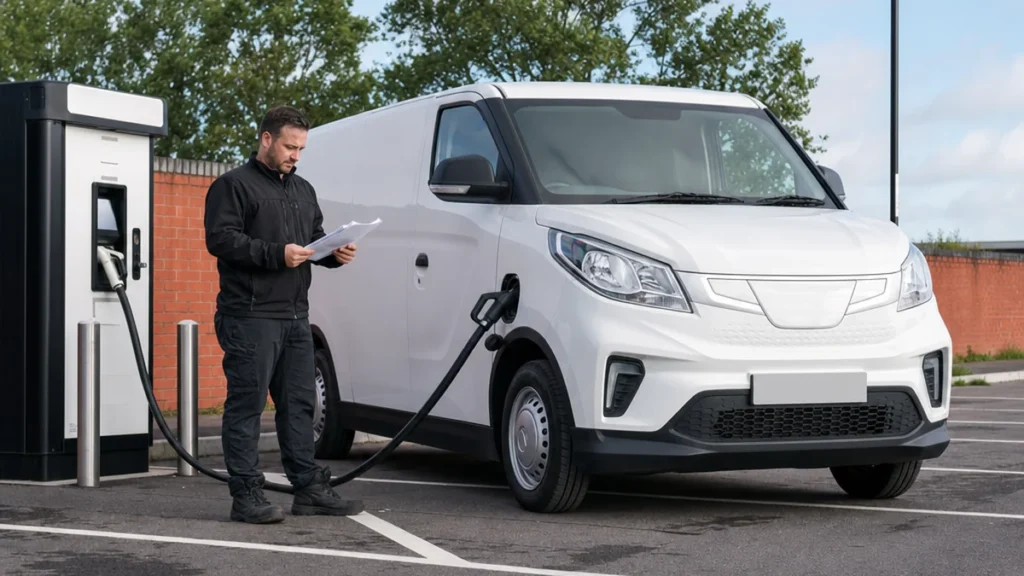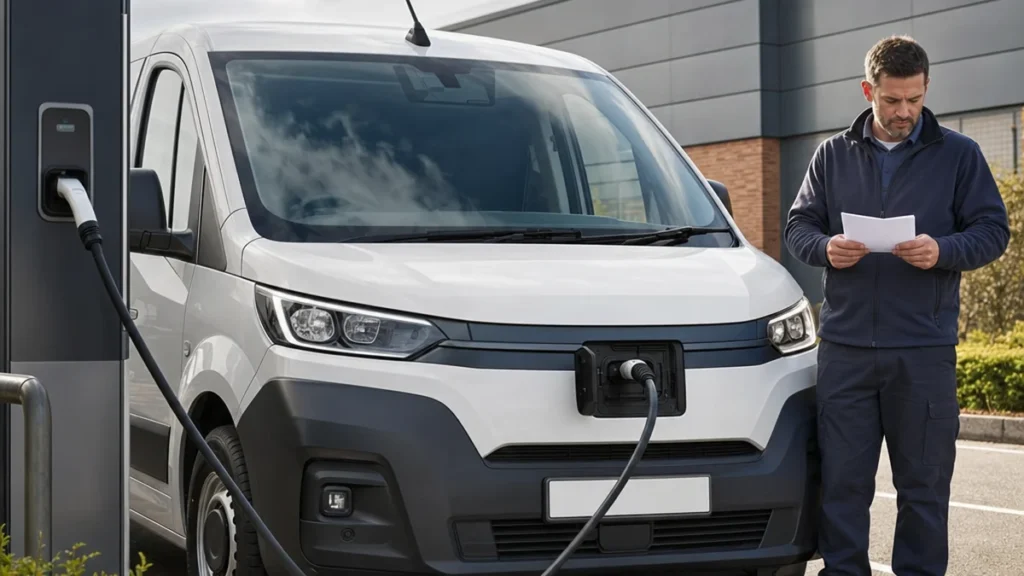
Check The Wording Before You Assume Cover
Some electric van policies may cover the battery and charging cable, but the details can vary. The safer approach is to check the policy wording before buying, especially if the battery is leased or the van is charged in a public or shared space.
If you are comparing a policy for an electric commercial vehicle, start with electric van insurance and check the battery and cable sections before choosing.
Battery Cover Checks
The battery is central to the van's value and usability. A policy may treat the battery as part of the vehicle, but exclusions and limits can still apply. The wording may also differ for damage, theft, fire, degradation and replacement cost.
Use these questions before choosing cover.
| Battery Question | Why It Matters |
|---|---|
| Is the battery owned or leased? | A leased battery may have separate contract conditions. |
| Is accidental damage included? | Damage cover can depend on the cause and policy level. |
| Is theft covered? | Some policies may include theft, subject to security and storage terms. |
| Is degradation excluded? | Normal wear or capacity loss may not be treated like accident damage. |
| Who chooses the repairer? | EV repair access can affect downtime and claim handling. |
Charging Cable Cover Checks
Charging cables can be expensive and easy to overlook. Check whether the policy covers the cable while it is stored in the van, connected to the van, used at a public charger, or kept at business premises.
Also check liability wording. A cable running across a shared space could create a trip risk, and not every policy will describe that situation in the same way.
ABI guidance on electric vehicle charging explains why EV charging equipment can involve both motor and home insurance questions.
What About Home Chargers And Wallboxes?
A wallbox fixed to a building may not be treated the same as a cable kept with the van. Depending on the setup, home insurance, business premises insurance or a charger warranty may be relevant as well as motor insurance.
Ian's note: Do not rely only on the phrase "EV cover included". For a work van, ask what happens if the cable is stolen, the battery is damaged, or the charger problem keeps the van off the road.
Business Use Can Change The Question
A van used for business can carry tools, goods, stock or parcels. That does not automatically mean those items are covered by the motor policy. Goods in transit, tools, courier use and business equipment may need separate checks.
Charging arrangements can also differ. A sole trader charging at home has different practical questions from a fleet using depot charging. For general non-EV van cover, van insurance may be useful. For multiple electric vehicles, electric vehicle fleet insurance may be more relevant.
FAQs
Does electric van insurance cover the battery?
It may, but cover depends on the policy. Check whether theft, accidental damage, fire, leased batteries and degradation are handled separately.
Does electric van insurance cover charging cables?
Some policies may cover charging cables, but limits and conditions can vary. Check theft, damage and liability wording.
Is a home charger covered by van insurance or home insurance?
It can depend on how the charger is installed and used. A fixed wallbox may involve home, business premises or warranty cover as well as motor insurance.
Are leased EV batteries covered by van insurance?
They may need extra care. Tell the insurer where asked and check the battery lease agreement for insurance conditions.
Does electric van insurance cover battery degradation?
Normal battery wear or reduced capacity may be excluded. Check the wording rather than assuming it is treated as accidental damage.