What Makes An Electric Van Different?
An electric van is still a van for insurance purposes, but the battery, charging setup, repair network and vehicle weight can add extra checks. The right policy needs to match the real business use, not just the fuel type.
If you are comparing cover now, start with electric van insurance and prepare the EV-specific details before you choose. This keeps the quote focused on the van you actually run.
Electric Van Checks Before You Compare
For trades, couriers and small businesses, the biggest problem is not usually the word electric. It is whether the quote has the right van use, driver list and vehicle details. Use this checklist before comparing.
| Check | What To Prepare |
|---|---|
| Vehicle details | Registration, make, model, value, payload and maximum authorised mass. |
| Battery | Owned or leased, value if requested, and any separate battery agreement. |
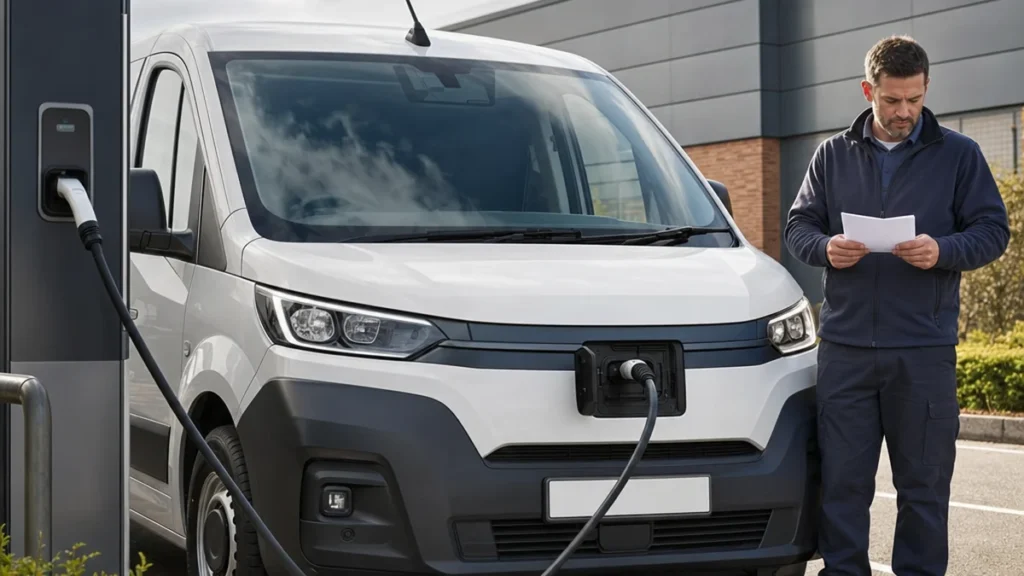
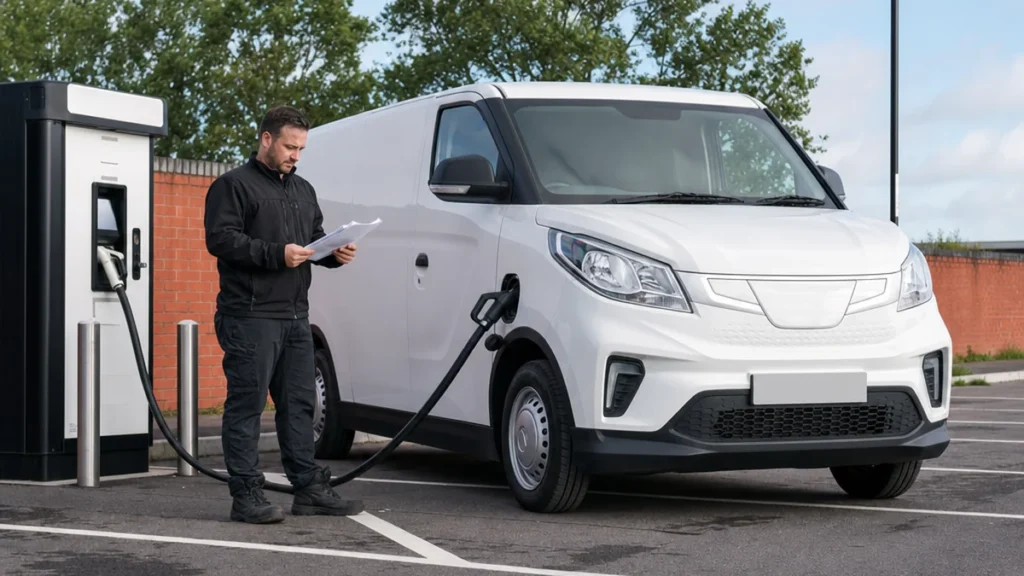
| Charging | Home, depot or public charging, plus cable and charger questions. |
| Use | Social, commuting, own-goods business use, courier or hire-and-reward work. |
| Drivers | Named drivers, employee drivers, age, licence and claims history. |
| Storage | Where the van is kept overnight and whether security is fitted. |
Battery, Cable And Charger Questions
The battery can be a high-value part of the van. Some policies may ask whether it is owned outright or leased separately. If it is leased, check the finance or lease agreement and answer insurer questions accurately.
Charging cable cover can also vary. Damage, theft and third-party liability while charging may not be treated the same by every provider. The Association of British Insurers guidance on EV charging is a useful starting point for understanding why motor and home insurance questions can overlap.
Ian's note: For a business van, the practical issue is downtime as much as damage. If charging equipment, repair access or replacement parts matter to your work, check the policy wording before choosing.
Licence, Weight And Operator Checks
Electric vans can be heavier than similar diesel vans because of the battery. That can make the maximum authorised mass worth checking, especially for larger zero-emission vans.
GOV.UK guidance on driving electric or hydrogen-powered vehicles says category B licence holders can drive some zero-emission vehicles up to 4,250kg maximum authorised mass in England, Scotland and Wales. Check the current guidance and the van documentation before relying on that rule.
If the van is used for business, operator licensing can also matter for some vehicles and journeys. GOV.UK's goods vehicle operator licensing guide explains when a licence is usually needed.
Use Type Is Still The Big Insurance Check
A van used by a sole trader to carry tools is different from a van used for paid parcel delivery. Social use, commuting, own-goods business use and hire-and-reward work can all be treated differently.
For general van cover, van insurance may be useful if the vehicle is not specifically electric. If a business is building a multi-vehicle EV setup, electric vehicle fleet insurance may be more relevant.
FAQs
Is electric van insurance more expensive?
It can be, but not always. Battery value, repair costs, driver history, use type, postcode and mileage can all affect the quote.
What should I tell an insurer about an electric van?
Give accurate details about the van, battery ownership, charging setup, drivers, use, mileage, storage and any modifications.
Can I drive a 4.25-tonne zero-emission van on a car licence?
GOV.UK guidance allows some category B licence holders to drive zero-emission vehicles up to 4,250kg MAM in England, Scotland and Wales. Check the van and current guidance.
Does electric van insurance cover delivery work?
Only if the policy includes that use. Courier, parcel and hire-and-reward work may need specific commercial cover.
Do electric vans need special business insurance?
They need cover that matches the business use. The electric fuel type adds checks, but the work the van does is still central.