













Why Compare DR31 Car Insurance?
Insurers Price DR31 Very Differently
One insurer may load your premium heavily while another adds far less for a blood sample refusal. Clean Green Cars introduces you to specialist brokers who know which insurers treat DR31 cases fairly.
Stop Getting Turned Away
Standard comparison sites often reject drink-drive codes outright. A DR31 involving hospital blood samples may raise additional questions. Clean Green Cars connects you with brokers who accept DR31 convictions as part of their everyday work.
Save Hours of Searching
Explaining the circumstances of a hospital blood sample refusal over the phone is exhausting. Clean Green Cars puts you in touch with brokers who already have panels of insurers that cover drivers with DR31 on their licence.
Car Insurance With a DR31 Conviction At A Glance
- A DR31 carries 3-11 points and an obligatory 12-month ban, but specialist brokers regularly place blood sample refusal cases.
- Your DR31 stays on your licence for 11 years from the date of conviction, though most insurers only ask about the last 5.
- DR31 applies specifically when blood was taken while you were incapacitated and you refused permission for analysis on recovery. Specialist brokers understand this distinction.
- Compare DR31 quotes from specialist brokers by completing the form above.
What Is a DR31 Conviction?
A DR31 is the DVLA code for refusing to allow analysis of a blood sample taken while you were incapacitated. This typically follows a road traffic accident where you were hospitalised.
A DR31 stays on your licence for 11 years and must be declared to your insurer for as long as they ask about it.
| Penalty | Details |
|---|---|
| Penalty Points | 3 to 11 |
| Driving Ban | Obligatory minimum 12 months (3 years for second offence within 10 years) |
| Maximum Fine | Unlimited (plus up to 6 months prison) |
| Time on Licence | 11 years from date of conviction |
| Spent After | 1 year from fine date, or 12 months from end of custodial sentence (up to 1 year). Licence endorsement remains for 11 years. |
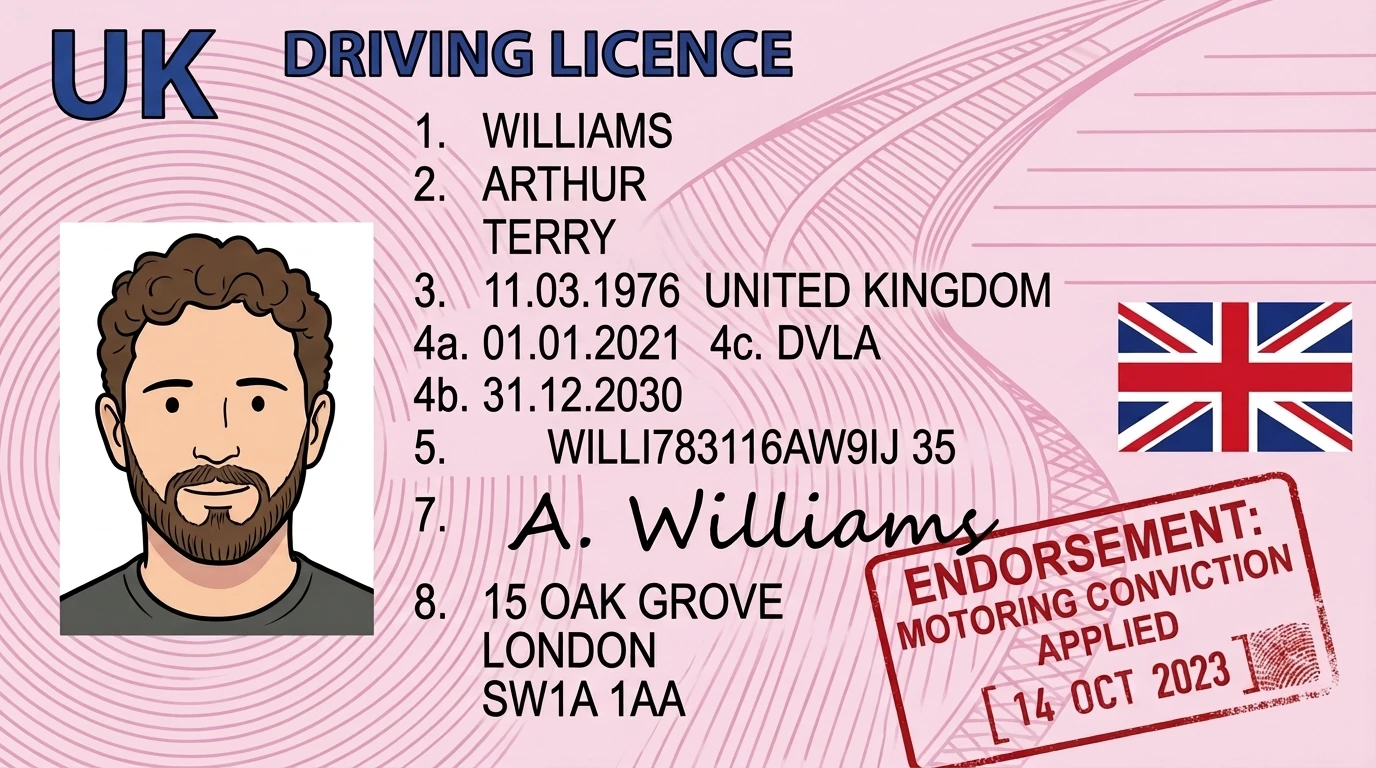 DR31
DR31Can You Get Insurance With a DR31?
Yes, though a DR31 for refusing blood sample analysis after incapacity is treated as seriously as other drink-drive refusal codes, and some mainstream insurers may add a significant loading or decline to quote altogether.
A DR31 carries 3 to 11 penalty points and an obligatory ban of at least 12 months. A fine resulting from a DR31 is usually spent after one year under the Rehabilitation of Offenders Act 1974. A prison sentence of up to 6 months becomes spent 12 months after the end of the sentence (post-October 2023 rules). However, the conviction stays on your licence for 11 years, and you must declare it to your insurer for as long as they ask about it.
Some insurers ask about unspent convictions only, while others may ask about convictions over a longer period. Always read the question carefully before answering. Completing a Drink-Drive Rehabilitation Course, if offered by the court, may help reduce your disqualification period by up to 25%.
Specialist brokers who work with convicted drivers every day know which insurers accept DR31 convictions. Clean Green Cars introduces you to these brokers, so you may compare quotes from specialists experienced with drink-drive offences.
Who Needs DR31 Car Insurance?
A DR31 conviction often follows a traumatic event. Here are the situations where comparing specialist DR31 quotes may typically help most.
Woke Up in Hospital After an Accident
You were involved in a serious road traffic accident and regained consciousness in hospital. Police informed you that blood had been taken while you were unconscious and asked for permission to analyse it. The shock of the situation led you to refuse. Specialist brokers understand these traumatic circumstances.
Medical Confusion on Recovery
You were recovering from surgery or sedation after an accident and were not fully alert when asked to give permission. You may not have understood the legal consequences of refusing. Specialist brokers handle DR31 cases and know which insurers consider recovery circumstances.
Panicked About the Result
You knew you had been drinking before the accident and feared what the blood analysis would show. The refusal felt like self-preservation in the moment, but the court treated it the same as a positive test. Specialist brokers see this scenario and know how to present it to insurers.
Returning After a Long Ban
Your disqualification has ended and you need insurance before you can drive again. If you were classified as a High Risk Offender, you will also need to pass a DVLA medical. Specialist brokers can arrange cover while you rebuild your record.
Young Driver After a Serious Accident
Drivers under 25 already pay more for car insurance. A DR31 on top of a young-driver loading and a recent accident claim makes standard insurers very unlikely to quote. Specialist brokers access panels that price younger convicted drivers individually.
Insight: A DR31 often comes at one of the most difficult times in a driver's life, following injury and hospitalisation. Specialist brokers handle these cases with an understanding of the circumstances. Compare quotes above to see what cover is available.
What DR31 Car Insurance Covers
A DR31 changes how much you pay and which insurers will quote you. It does not change the types of cover you can access.
Cover features depend on insurer terms, driver eligibility, and how the vehicle is used.
| Feature | Comprehensive | Third Party, Fire & Theft | Third Party Only |
|---|---|---|---|
| Third-party liability | Designed to cover | Designed to cover | Designed to cover |
| Fire and theft protection | Designed to cover | Designed to cover | Not included |
| Accidental damage to your vehicle | Designed to cover | Not included | Not included |
| Personal injury cover | Often included | Sometimes included | Not included |
| Windscreen cover | Often included | Rarely included | Not included |
| Courtesy car | Sometimes included | Rarely included | Not included |
| Legal expenses | Often included | Sometimes included | Rarely included |
| Uninsured driver cover | Sometimes included | Rarely included | Not included |
Cover Tip: A DR31 often follows a road traffic accident where you were incapacitated. If you are returning to driving after injury, consider whether Comprehensive cover gives you better protection while you rebuild confidence on the road. Check what personal injury cover each quote includes.
What DR31 Insurance May Not Cover
A single missed exclusion could mean your whole claim gets turned down. Here are the exclusions and limitations that apply to most DR31 policies.
Standard Exclusions
- Undeclared Convictions - If you do not answer your insurer's questions truthfully about your DR31, they may decline any claim and treat your policy as if it never existed.
- Driving Under the Influence - If you cause an incident while over the legal alcohol limit, your insurer may decline the claim even if your policy is otherwise active.
- Driving While Disqualified - If you drive during a ban linked to your DR31, your insurer will not cover any incident that occurs.
- General Wear and Tear - Gradual deterioration like rust, worn tyres, or engine wear is not covered. Insurance is designed for sudden and unexpected events.
- Higher Compulsory Excess - Your insurer may set a higher compulsory excess because of your DR31 conviction. Check your policy schedule to see the amount before you need to claim.
- Named Driver Restrictions - Some policies may limit who else can drive your car after a blood sample refusal conviction. Your insurer may require all drivers to be named individually.
Add-Ons Worth Considering
Your base policy covers the essentials. These extras fill gaps that may matter more after a blood sample refusal conviction.
May cover roadside assistance, recovery, or onward travel if your car breaks down. Cover levels and response times depend on your policy terms.
May help cover your legal costs if you need to pursue or defend a claim after a non-fault accident, subject to policy limits and conditions.
May help demonstrate safe driving habits after a DR31 by tracking your speed, braking, and journey times. Good scores may reduce your renewal price, depending on your insurer's terms.
May help cover the cost of replacing lost, stolen, or damaged keys and locks, subject to individual claim limits set by your insurer.
May help cover the cost of repairing or replacing a cracked or chipped windscreen without affecting your no-claims discount, depending on your policy terms.
May help keep your no-claims discount safe if you need to make a claim. After a DR31, protecting the discount you are rebuilding may be especially valuable, subject to insurer terms.
What Affects the Cost of DR31 Car Insurance?
Most insurers treat a DR31 blood sample refusal the same as a positive reading. The quotes you get will depend on your own details.
| Key Factor | Impact on Your Price |
|---|---|
| Circumstances of refusal | Courts consider why you refused permission for blood analysis. Whether you were confused on recovery or made a deliberate decision may affect sentencing, though most insurers price a DR31 similarly to other drink-drive refusal codes. |
| Ban length | A longer disqualification may signal higher risk to insurers. A 12-month ban is priced differently from a 36-month repeat-offence ban. |
| Time since conviction | Your loading may typically drop each year. A five-year-old DR31 with a clean record since usually costs less to insure than a fresh one. |
| Other convictions | A DR31 on top of other motoring convictions may push your loading up sharply. A single DR31 alone is usually priced more favourably. |
| Vehicle type and value | Higher insurance group cars cost more to insure with or without a conviction. A lower-value vehicle in a lower group may help reduce your overall quote. |
| No-claims discount | Each claim-free year builds your discount. If your ban and recovery period interrupted your driving, you may need to rebuild it from scratch. |
| Annual mileage | Fewer miles on the road means less exposure to risk. Reducing your declared mileage, if accurate, may help bring your premium down. |
| Cover level | Comprehensive car insurance costs more than Third Party Only, but gives you more protection. The right level depends on your vehicle value and circumstances. |
Price Insight: A DR31 is relatively uncommon, which means some insurers may not have a specific pricing model for it. They may default to treating it the same as a DR10 or DR30. Comparing specialist quotes each year may reveal which insurers are adjusting your loading as time passes.

Ways to Cut Your DR31 Car Insurance Cost
A DR31 may push your premium up sharply, but there are practical steps that may bring it back down. Here are seven ways to reduce what you pay.
Complete the DDRC If Offered
A Drink-Drive Rehabilitation Course may reduce your ban by up to 25% and costs up to 250 pounds (GOV.UK, 2025). Completing it may also demonstrate to insurers that you have taken steps to address the offence.
Use Telematics to Prove Safe Driving
A telematics policy tracks your driving habits after your DR31. Consistent safe driving scores may help reduce your premium at renewal, depending on your insurer's terms.
Build Your No-Claims Discount
Each claim-free year adds to your discount. If your ban and recovery period reset your record, start rebuilding now. Some specialist brokers may offer no-claims protection as an add-on.
Compare at Every Renewal
Do not auto-renew. Insurers re-price DR31 risk each year, and the best quote may come from a different broker. Compare quotes above before your renewal date.
Increase Your Voluntary Excess Sensibly
A higher voluntary excess may reduce your annual premium. Make sure you can afford the total excess (compulsory plus voluntary) if you need to claim.
Reduce Your Annual Mileage
Fewer miles means less risk. If you can honestly declare a lower mileage, your premium may drop. Never understate your mileage as this may invalidate a claim.
Pay Annually If Possible
Monthly payments often include interest charges that add around 10% to 20% to your total cost. Paying upfront in a single annual payment removes that extra charge.
Saving Tip: If your DR31 followed an accident that also resulted in a claim, you may be rebuilding both your no-claims discount and your conviction loading at the same time. Focusing on claim-free years and comparing quotes annually may help you recover faster. Check your options above.
How to Compare DR31 Insurance Quotes
Finding DR31 cover does not need to be stressful. Clean Green Cars connects you with brokers who handle blood sample refusal convictions. Get started above.
Enter Your Vehicle Details
Start at the top of this page and add your registration, make, model, and where you park overnight.
Select Your Cover Level
Choose between Comprehensive, Third Party Fire and Theft, or Third Party Only based on your vehicle value and needs.
Declare Your DR31 Honestly
Enter the conviction code, date of offence, points received, and ban length. Answer your insurer's questions truthfully to keep your policy valid.
Compare Your Quotes
Specialist brokers review your details and send you quotes. Compare prices, cover levels, and excess amounts side by side.
Choose and Activate Your Policy
Pick the quote that fits your needs and budget. Your broker handles the rest so you can get back on the road.
What Our Expert Says
DR31 is one of the rarest drink-drive codes. It only applies when blood was taken while you were incapacitated, typically in hospital after an accident, and you then refused permission for that blood to be analysed once you regained capacity. The legal basis is Section 7A(6) of the Road Traffic Act 1988.
Insurers generally price a DR31 alongside other drink-drive refusal codes. The circumstances may feel very different from a roadside refusal, but the endorsement on your licence carries the same weight. Time since the conviction and a clean record are the two factors that matter most when it comes to your premium reducing.
Co-founder of Clean Green Cars

Common DR31 Car Insurance Questions
What Does DR31 Mean on a Driving Licence?
DR31 means you were convicted of refusing permission for analysis of a blood sample taken while you were incapacitated. It is charged under Section 7A(6) of the Road Traffic Act 1988 and stays on your licence for 11 years.
How Long Does a DR31 Stay on Your Licence?
A DR31 stays on your driving licence for 11 years from the date of conviction. Most insurers ask about convictions for up to 5 years from the date of the offence, so you may need to declare it even after the points expire.
When Can Police Take Blood Without Consent?
Under Section 7A of the Road Traffic Act 1988, police can arrange for a medical practitioner to take a blood sample from an incapacitated driver, typically in hospital after an accident. The sample is stored until the driver regains capacity and is asked for permission to analyse it.
Is a DR31 a Criminal Conviction?
Yes. A DR31 is a criminal motoring offence under Section 7A(6) of the Road Traffic Act 1988. Whether it appears on a DBS check depends on the check level and ROA filtering rules.
What Is the Difference Between DR31 and DR30?
DR30 covers failing to provide a specimen at the police station. DR31 specifically covers refusing permission for analysis of blood taken while you were incapacitated. Both carry the same maximum penalties and are treated similarly by insurers.
Can I Get Comprehensive Cover With a DR31?
Yes. Many specialist brokers can arrange Comprehensive, Third Party Fire and Theft, or Third Party Only cover for drivers with a DR31. Standard insurers are less likely to quote, which is why comparing through a specialist may help.
Do I Have To Declare a DR31 To My Insurer?
You must answer your insurer’s questions truthfully about your DR31. Most insurers ask about convictions from the last 5 years. If you do not declare it when asked, your insurer may treat your policy as if it never existed.
Can a Drink-Drive Rehabilitation Course Help With DR31?
Yes. If the court offers a Drink-Drive Rehabilitation Course and you complete it, your ban may be reduced by up to 25%. It does not remove the conviction or points, but it may help with your insurance loading over time.
Can Being Incapacitated Be a Defence for DR31?
Incapacity at the time the blood was taken is not a defence. The offence is specifically about refusing permission after you regain capacity. However, if you can show you were still not competent to make a decision when asked, this may be raised as a defence in court.
What Happens After I Submit My Details?
After you submit your details, Clean Green Cars introduces you to specialist brokers who cover drivers with DR31 convictions. They review your information and send you quotes. You are not committed to anything by submitting the form.

Related Conviction Codes
DR31 is one of several drink-drive conviction codes. If you have a different code on your licence, the pages below may help you find suitable cover.
Driving or attempting to drive with alcohol level above limit
Compare DR10 quotesDriving or attempting to drive while unfit through drink
Compare DR20 quotesDriving or attempting to drive then failing to supply a specimen for analysis
Compare DR30 quotesIn charge of a vehicle while alcohol level above limit
Compare DR40 quotesIn charge of a vehicle while unfit through drink
Compare DR50 quotesFailure to provide a specimen for analysis in circumstances other than driving or attempting to drive
Compare DR60 quotesRefusing to allow a specimen of blood to be subjected to laboratory analysis when not driving
Compare DR61 quotesFailing to co-operate with a preliminary test
Compare DR70 quotesDriving or attempting to drive when unfit through drugs
Compare DR80 quotesIn charge of a vehicle while unfit through drugs
Compare DR90 quotesSearch & compare quotes from UK DR31 Car Insurance Providers

Useful Resources
- GOV.UK - Drink Driving Penalties - How drink-driving fines, bans, and points work in England and Wales.
- GOV.UK - Penalty Points - Check how many points you have and when they expire.
- GOV.UK - View Your Driving Licence - Check your licence online to see your current points and convictions.
- Legislation.gov.uk - Section 7A RTA 1988 - The law covering specimens from incapacitated persons.
- Sentencing Council - Fail to Provide - Sentencing guidelines for specimen refusal offences.