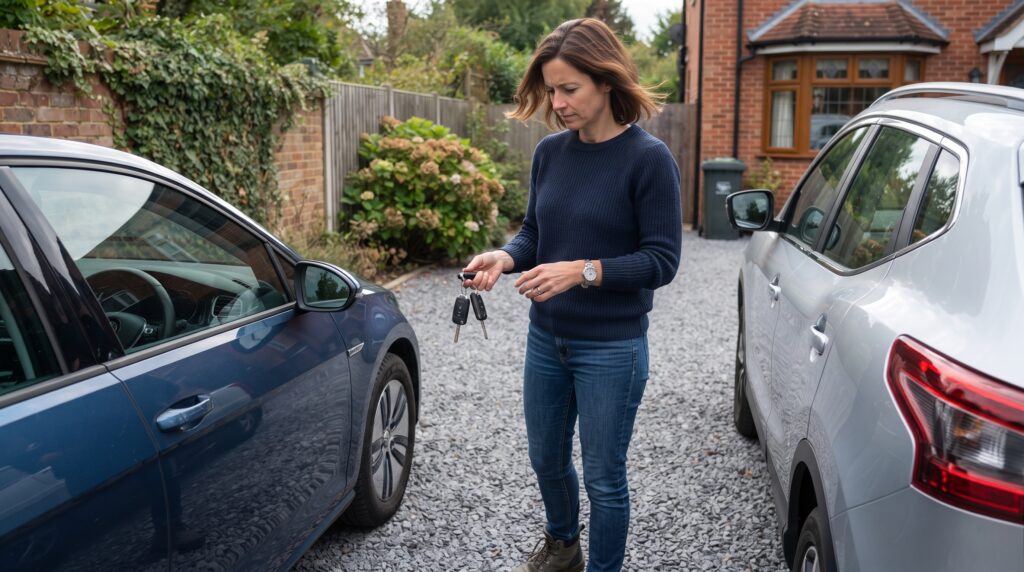
Transfer, Mirror Or Earn Separately
No claims bonus questions can sound similar, but the outcome can differ. A transfer usually moves the bonus from one policy to another.
A mirrored bonus is different. A provider may choose to apply a similar discount on a second policy, but it is not always the same as owning two separate bonuses.
A second car may also start with no bonus and earn its own history over time.
How The Options Compare
Use the table below to compare the common no claims bonus routes. It helps you check what is happening before relying on the discount.
| Option | What it means | What to check |
|---|---|---|
| Transfer | Bonus moves to another policy | Old policy status and proof |
| Use on second car | Trying to apply one bonus twice | Whether the provider allows it |
| Mirrored bonus | Provider applies a similar discount | Whether it is portable later |
| Multi-car policy | Several cars under one arrangement | How each driver's bonus is recorded |
| Company car history | Claim-free work driving evidence | Whether private insurers accept it |
Second Cars And Multi-Car Policies
A second car can be where confusion starts. Some drivers assume their existing bonus follows them automatically, but the provider may treat each car separately.
Multi-car policies can also record discounts in different ways. Check whether each driver builds individual proof that can be used later.
What To Prepare Before Comparing
Prepare these details before comparing a transfer or second-car quote. The list helps you avoid entering bonus years that cannot be proved.
- Current bonus years and proof document.
- Whether the old car is still insured.
- Whether the second car has its own policy history.
- Who will be the main driver of each car.
- Whether the provider calls the discount mirrored or transferred.
- Whether the bonus can be used if you switch later.
Why Second Cars Are Different
A second car creates a fresh rating question. The provider may see a separate risk even when the same driver has a strong no claims record.
That is why one provider may offer a mirrored discount while another starts the second car with no bonus. The wording matters.
When Moving Bonus Can Backfire
Moving a bonus away from an old car can affect the old policy. If the old car still needs cover, check what happens to that premium.
Do not move the bonus until you understand both sides of the change. The total cost across both cars matters more than one discount line.
Questions To Ask The Quote Form
Read whether the form asks about no claims bonus earned, no claims bonus used, or claim-free driving history. Those are not always the same answer.
If the form asks whether the bonus is already in use, answer that directly. Using the same history twice without permission can cause later problems.
No Claims Bonus Transfer Quote Details To Keep Consistent
For this topic, consistency matters as much as the answer itself. If you compare quotes with one set of details, then change the wording on the next journey, the prices and policy terms may not compare fairly.
Keep the same driver, address, vehicle, mileage, use class, claims and payment details across each quote. If a detail changes because you found a better record, restart the comparison with the corrected answer.
No Claims Bonus Transfer Records Worth Keeping
Keep a small evidence pack for the detail you are checking. That might include renewal notices, policy schedules, claim letters, V5C details, payment records, screenshots from official checks, or emails from a previous insurer.
The record does not need to be complicated. It should help you answer future quote questions without guessing, especially if the same issue comes up again at renewal or after a policy change.
No Claims Bonus Transfer Checks At Renewal
Renewal is a useful point to recheck the detail rather than copying last year's answer. Your mileage, job, commute, parking, named drivers, claim status, vehicle use or payment preference may have changed.
If the old answer no longer matches real life, update it before comparing. A quote that starts from stale details can look useful but may not describe the policy you actually need.
Before Comparing Car Insurance Quotes
Treat Can You Transfer Or Use No Claims Bonus On More Than One Car? as a preparation step, not the whole buying decision. Once the detail is clear, compare the final price, excess, fees, cover level and policy wording together.
For the wider quote step, use car insurance and keep the supporting documents nearby. The aim is to compare policies with details you can support if the provider asks later.
Final Checks Before Choosing Cover
Before you choose a policy, read the final quote summary rather than relying on the first price shown. Check the driver, car, address, use, mileage, excess, payment method and any assumptions made during the journey.
If any detail is wrong, correct it before buying. A slightly slower comparison is better than keeping a quote that does not match the car, driver or records you hold.
No Claims Bonus Transfer Flow
Follow the bonus from the old policy to the car where you want to use it.
Find The Active Bonus
Check which policy earned the no claims bonus and whether it is still in use.
Check The New Car
Confirm whether the bonus is being moved, mirrored or left on the old policy.
Check Provider Rules
Rules can differ for second cars, multi-car policies and company car history.
Keep Proof Ready
Prepare renewal letters, cancellation letters or online proof.
Compare Final Terms
Check the accepted discount, excess and total price before choosing.
Some providers may not let the same bonus support two separate cars at the same time.
FAQs
Can I transfer no claims bonus to another car?
Often yes, but the old policy and proof need to support the transfer.
Can I use one no claims bonus on two cars?
Some providers may restrict this. A mirrored discount is not always the same as using one bonus twice.
What is mirrored no claims bonus?
It is when a provider applies a similar discount on another policy, often at its own discretion.
Can company car no claims history be used?
Some providers may consider claim-free company car history, but rules and proof needs vary.
Does no claims bonus belong to the car or driver?
It is usually linked to the policyholder's claim-free history, but provider rules decide how it can be used.