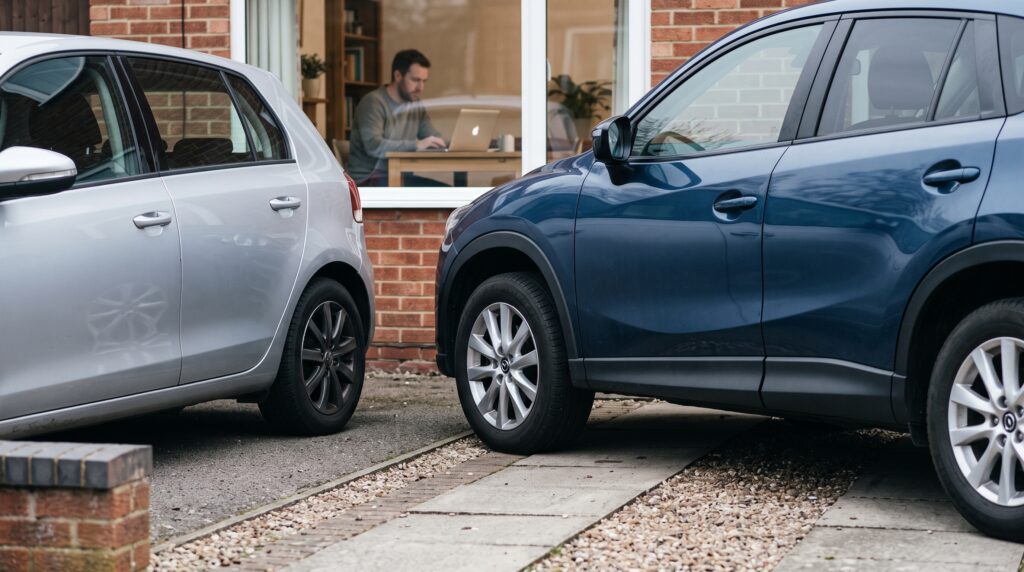
Car insurance groups help insurers assess the risk of a car. They are not the full quote. They are one vehicle factor that can sit alongside your age, address, claims history, mileage, use and driving record.
The traditional UK system uses groups 1 to 50. A car in a lower group will often be cheaper to insure than a similar driver in a higher-group car, but it is not a guarantee.
Who Sets Car Insurance Groups?
Thatcham Research runs the Group Rating data used by the insurance market. Its current information says the 1 to 50 Group Rating system assesses vehicle risk using 125 vehicle attributes.
Thatcham also says vehicle manufacturer data is passed to the ABI Group Rating Panel and used to establish an advisory insurance Group Rating score.
What Affects A Car Insurance Group?
Use the table below to understand the kind of vehicle details that can influence the group rating and why they matter to a quote.
| Factor | Why it may matter |
|---|---|
| Repair cost | Expensive parts and labour can increase claim cost |
| Repair time | Longer repairs can increase the cost of a claim |
| Performance | Faster cars may be linked with higher risk |
| Security | Stronger security can reduce theft risk |
| Parts prices | Specialist parts can make repairs more expensive |
| Vehicle value | Higher value cars can cost more to replace |
How Groups Affect Your Quote
A higher group can mean a higher premium, but the group is not the only factor. A careful, experienced driver in a higher-group car may not get the same quote as a new driver in the same vehicle.
Before you compare quotes, prepare the details that sit alongside the group rating:
- Registration, make, model and trim.
- Driver age and licence history.
- Claims, points and convictions.
- Annual mileage.
- Social, commuting or business use.
- Where the car is kept overnight.
- Named drivers.
- Modifications or non-standard features.
For wider comparison, start with car insurance and keep the same vehicle and driver details across each quote.
If you are researching a specific vehicle, the related what insurance group is my car guide can help you think about group checks before comparing quotes.
Vehicle Risk Rating Is Replacing The Old System
Thatcham Research says the current 1 to 50 Group Rating system is being replaced by a newer Vehicle Risk Rating model. The newer model is designed to assess vehicle risk in a more detailed way.
For readers, the practical point is the same. The vehicle matters, but it does not decide the whole quote on its own. Compare using accurate details and check the final price, excess and cover.
Susan's note: Insurance groups are useful when you are choosing a car, but do not treat the number as the final answer. A lower-group car can still cost more if the driver details or use make the quote riskier.
FAQs
What does car insurance group 1 mean?
Group 1 is the lowest traditional group. Cars in lower groups may cost less to insure, but your final price still depends on your details.
Is group 50 car insurance expensive?
Group 50 is the highest traditional group, so it can be linked with higher prices. The final quote still depends on the driver, use and insurer criteria.
Who decides UK car insurance groups?
Thatcham Research provides Group Rating data, and manufacturer data is used by the ABI Group Rating Panel to set advisory scores.
Can two cars in the same insurance group cost different amounts?
Yes. Trim, driver details, address, mileage, claims history, use and insurer pricing can all change the final quote.
Are car insurance groups still used?
The 1 to 50 Group Rating system is still familiar to drivers, but Thatcham says it is being replaced by Vehicle Risk Rating. Insurers may use vehicle-risk data in different ways.