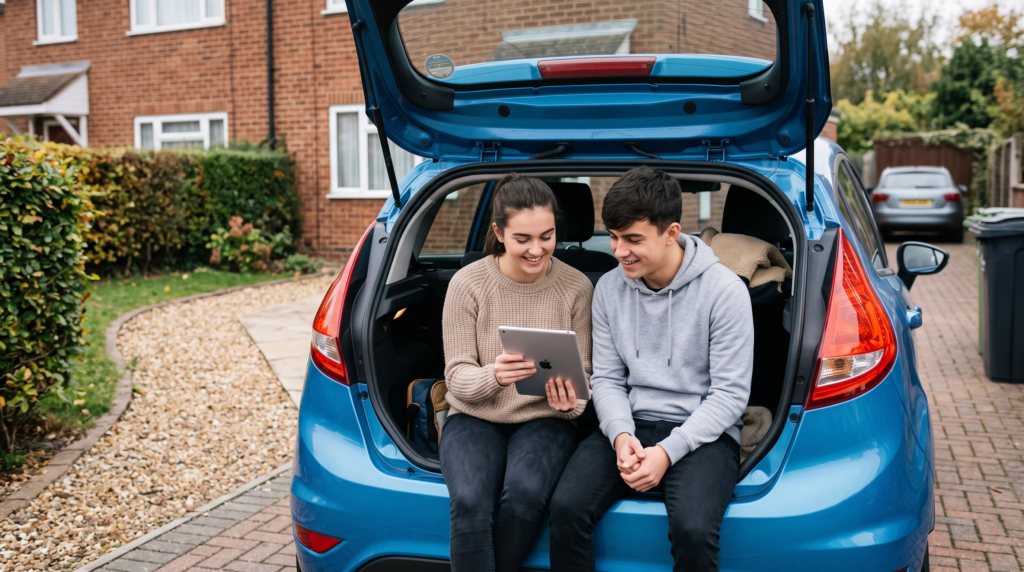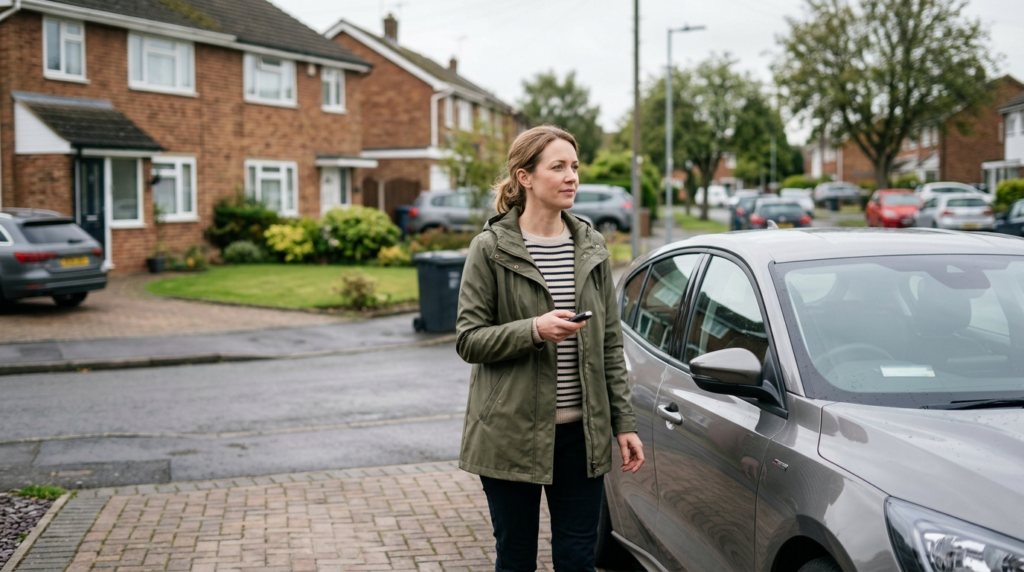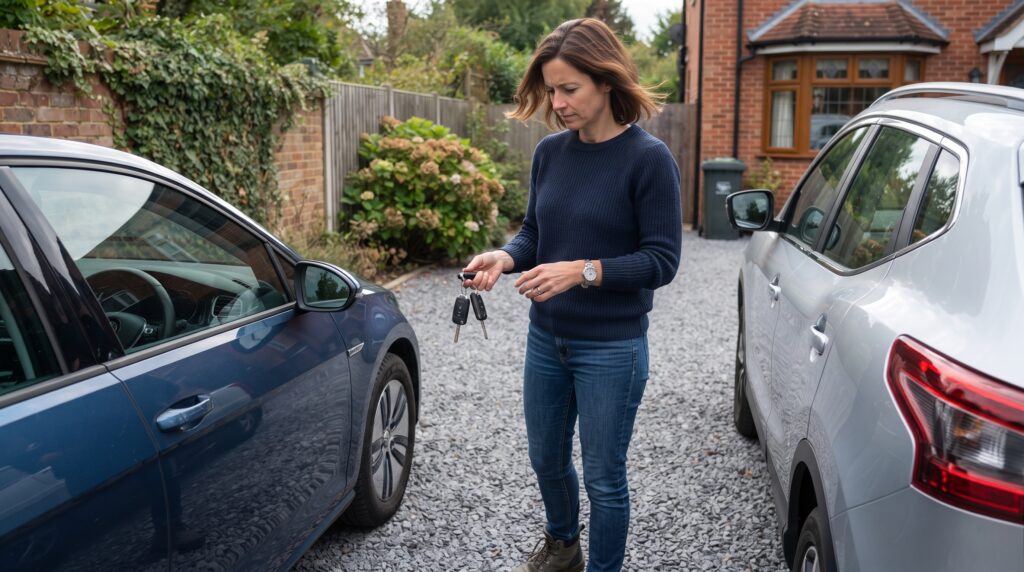









Why Compare Named Driver Car Insurance?
Loading Varies Widely
One provider's named-driver loading may be modest while another adds far more. Compare several UK insurance providers in one short form.
Right Use Class Priced In
Quotes are designed to reflect occasional named-driver use, rather than treating the second driver as the main user. Compare insurance providers that price use classes clearly.
Honest Declarations Protect Cover
A genuine named-driver declaration protects both policyholder and second driver under CIDRA 2012. Compare insurance providers that ask clear questions about who drives the car most.
Named Driver Car Insurance At A Glance
- Same Product, Different Pricing - it's the same legal car insurance product, simply rated with a second driver on the policy.
- Occasional Use Priced Lower - genuinely occasional second drivers tend to add less to the premium than full-time joint users.
- Main Driver Stays The Main Driver - the policyholder who drives the car most must be listed as the main driver, not a named driver.
- Fronting Is Misrepresentation - listing an experienced parent as main driver when a teen drives most may breach CIDRA 2012 (the duty not to misrepresent material facts) and could invalidate cover.
- Compare Quotes - see UK insurance providers priced for an honest named-driver setup.

Is It Different Adding A Named Driver?
It's the same legal car insurance product, but adding a named driver changes how providers price and rate the policy:
- Second Driver Risk Profile - a calm, experienced spouse may bring the loading down, while a new young driver typically pushes it up
- Use Class Matters - the policy is designed for occasional named-driver use, not for someone driving the car most days
- CIDRA 2012 Applies - the duty not to misrepresent material facts covers who actually drives the car most, not just who owns it
- Fronting Risk - listing an experienced driver as main driver to mask a teen or convicted driver may invalidate cover and could mean a refused claim
Cover Levels Explained
Pick third party only and a careless reverse by your named driver could leave a £3,000 repair bill unpaid. Here's what each level includes.
| Feature | Comprehensive | Third Party, Fire & Theft | Third Party Only |
|---|---|---|---|
| Liability to third parties (legal minimum) | Yes | Yes | Yes |
| Fire and theft of your vehicle | Yes | Yes | No |
| Accidental damage when named driver is at the wheel | Yes | No | No |
| Windscreen and glass cover | Often included | Provider-dependent | No |
| Personal accident benefit (driver at wheel) | Typically yes | Provider-dependent | No |
| Audio and in-car entertainment | Often included | Provider-dependent | No |
| Courtesy car while yours is repaired | Often included | Add-on | Add-on |
| EU driving (third-party level) | Yes | Yes | Yes |
| EU driving (full UK cover level) | Provider-dependent | Add-on | No |
| Uninsured driver promise (no excess if not at fault) | Often included | Provider-dependent | No |
Please note that policy features, benefits, terms and conditions vary among insurance providers, so always check the policy wording.
Cover Tip: If you're adding a 17-year-old to your policy as a named driver, declare honestly who actually drives the car most. 'Fronting' - listing the experienced parent as main driver when the teen drives most - is misrepresentation under CIDRA 2012 (the duty not to misrepresent material facts) and can mean a refused claim, not a clever saving.
What May Not Be Covered
A single exclusion can turn a named driver's bump into an unpaid repair. Here's what your policy typically doesn't cover.
Standard Exclusions
- Driving While Disqualified or Unlicensed - Cover may be declined if the policyholder or named driver drives while disqualified, unlicensed, or with a lapsed licence. Check both licences regularly.
- Wear and Tear or Mechanical Failure - Routine ageing of parts, mechanical breakdown, and gradual deterioration are not insured events under a standard motor policy.
- Undeclared Use Type - Using the car for business, hire or reward without declaring it may invalidate cover. The named driver's use class needs declaring honestly as well.
Important Limitations
- Fronting (Misrepresentation of Main Driver) - Listing an experienced driver as main driver when the named driver is really the main user may breach CIDRA 2012 and could invalidate cover. Declare honestly.
- Undeclared Convictions or Claims - If the named driver has unspent convictions, points, or recent claims, both must be declared. Non-disclosure may invalidate cover for everyone on the policy.
- Use Outside Declared Class - If the named driver uses the car for commuting or business when only social use was declared, a future claim could be reduced or refused for misrepresentation.
Important: These are not exhaustive exclusions - every insurance provider sets its own terms, limits and conditions. Always check the full policy wording for the complete list of what is and is not covered.
Extras Worth Considering
Skip legal expenses cover and a not-at-fault prang by your named driver could leave excess unpaid. These optional extras could be worth adding.
Roadside assistance, recovery and home start can help when either driver is stranded. Compare standalone breakdown cover as well as bolt-on options.
Motor legal expenses may help with the cost of recovering uninsured losses, such as excess or personal injury, after a non-fault incident involving either driver.
A standard small courtesy car can be upgraded to a like-for-like model. Useful if either driver depends on a specific vehicle size for daily life.
Protecting the policyholder's discount lets you keep the built-up no-claims record after a set number of fault claims, although the headline premium can still rise.
What Affects The Cost?
The main driver's profile, named driver age and usage split all feed into the premium. Here are the factors that shape a named driver quote.
| Key Factor | Impact on your price |
|---|---|
| Named driver's age | A 17-year-old named driver typically pushes the loading up far more than a calm spouse in their 40s or 50s. |
| Named driver's licence history | A clean licence with several claim-free years tends to add less to the premium than recent points or a fault claim. |
| Declared use class | A genuinely occasional named driver typically prices lower than one declared as a regular daily user of the car. |
| Main driver's profile | The main driver remains the biggest single rating factor, and the named driver is layered on top rather than averaged with them. |
| Vehicle insurance group | Higher-group cars often see a steeper named-driver loading than smaller, lower-group everyday vehicles. |
| Home postcode | Quiet residential and rural postcodes often price lower than dense urban areas with higher claim rates. |
| Annual mileage | Honest declared mileage that reflects both drivers' typical use tends to price more accurately than guesswork either way. |
| Voluntary excess chosen | Raising voluntary excess may lower the headline premium, although you pay more towards any future claim. |
| Number of named drivers added | Each extra named driver is rated individually, so two or three named drivers may layer the loading more than one. |
| Cover tier chosen | Comprehensive often prices similarly to third-party fire and theft once a named driver is added, so compare all three tiers. |
The quotes you get will depend on your own details.
Price Insight: The ABI Motor Premium Tracker put the average UK motor premium at £560 in Q1 2026 (as at March 2026). Adding a low-risk named driver may move the quote modestly, while adding a young driver as a named driver typically pushes it up far more.

Ways To Cut Your Premium
Renew on autopilot and a named-driver policy can drift £80-£150 above a fresh comparison. Here are practical ways to cut what you pay.
Match The Named Driver To Real Use
If your named driver only uses the car occasionally, declare it that way. A genuinely occasional second driver tends to price lower than one declared as a regular daily user.
Add A Lower-Risk Second Driver
If a calm, experienced spouse or partner with a clean licence shares the car safely, adding them as a second driver may help reduce the policy's average risk score.
Compare With And Without The Named Driver
Get two quotes side by side at each provider. The named-driver loading varies widely, and the most competitive provider for the policyholder alone may not be the same once the second driver is added.
Raise Your Voluntary Excess Carefully
Increasing voluntary excess may lower the headline price, but only set it at a level both drivers could comfortably pay if either needed to claim.
Pay Annually If You Can Afford It
Paying for the year upfront avoids the finance charge added to monthly instalments, which can quietly add a meaningful amount to the total cost.
Compare Quotes At Every Renewal
Loyalty pricing is now banned for renewals, but quotes still vary widely between providers, so compare cover and price each year before auto-renewing.
Saving Tip: Get two quotes - one with the named driver added, one without - at each provider. The named-driver loading varies widely, and the most competitive provider for you alone may not be the most competitive once the named driver is added.
How To Compare Quotes
Comparing named driver car insurance from UK insurance providers takes only a few minutes. Get started above.
Share Your Details
Enter car, main driver history, and the named driver's licence, age, and typical use of the car. The form takes a few minutes.
See Provider Quotes
Quotes come back from UK providers that price honest named-driver setups, from spouse sharing to occasional weekend use.
Compare Cover And Price
Check excess, named-driver use class, courtesy car, and any conditions tied to the second driver in the policy wording.
Choose And Buy
Pick the quote that fits your cover and budget. Complete the purchase directly with the provider.
Receive Your Documents
The provider issues your certificate and policy wording. Check both drivers' details match what you declared.
What Our Expert Says
Adding a named driver looks simple on the quote form, but it is where avoidable mistakes tend to cluster. A common slip is mislabelling who drives the car most. A policyholder who genuinely shares the car with a spouse usually sees a modest change in price, but the moment a teen or convicted driver is dropped in as a named driver while really being the main user, the policy may sit on shaky ground.
Another pitfall is occasional use. If a named driver only takes the wheel on holiday trips or to cover a hospital appointment, declaring exactly that tends to help. Insurance providers price genuine occasional use far more kindly than a full-time second user, and a clear declaration protects both parties under CIDRA 2012 (the duty not to misrepresent material facts).
The quiet win is running two quotes side by side, one with the named driver added and one without. The loading is not a fixed percentage. It varies a lot between UK insurance providers, and a thorough comparison is the most reliable way to know which insurance provider prices a specific setup best.
Insurance Expert & Co-founder of Clean Green Cars

Common Questions
What Is A Named Driver On A Car Insurance Policy?
A named driver is someone added to the policyholder's car insurance who is allowed to drive the car occasionally. They aren't the policyholder, and they aren't the main driver. They're listed so they can drive legally when needed.
Does Adding A Named Driver Make Insurance Cheaper?
It can. Adding a calm, experienced second driver with a clean licence may help reduce the policy's average risk score and could lower the quote. Adding a young or higher-risk named driver typically pushes the premium up rather than down.
What Is Fronting And Why Does It Matter?
Fronting is listing an experienced driver, often a parent, as the main driver when a higher-risk driver such as a teen is really the main user. It's misrepresentation under CIDRA 2012 and may lead to a refused claim or cancelled policy.
Can A Named Driver Build Their Own No-Claims Discount?
Most UK insurance providers don't build no-claims discount on a named driver position. A small number offer a separate mirrored discount for named drivers. Check each provider's policy wording before relying on this.
How Many Named Drivers Can Be Added To A Policy?
Most providers allow several named drivers, often three to five, but each is rated individually. Adding more drivers may layer the loading rather than averaging it. Compare quotes to see the actual price effect.
Does The Named Driver Need Their Own Insurance?
No. Once added to the policyholder's cover, the named driver is insured to drive that car within the declared use class. They may still want their own policy if they regularly drive other vehicles.
What Happens If A Named Driver Has An Accident?
The claim is made on the policyholder's insurance, and any fault claim may affect the policyholder's no-claims discount and future premium. Both drivers' details may be re-rated at renewal.
What Happens After I Submit My Details?
Clean Green Cars introduces you to UK insurance providers who price honest named-driver setups, from a spouse sharing the car to an occasional weekend driver. You'll see quotes within minutes and can compare cover, price, and add-ons before choosing.

Search & Compare Quotes From UK Named Driver Car Insurance Providers

Useful Resources
- GOV.UK - Vehicle Insurance - the legal basics of UK motor cover, including who must be insured to drive.
- FCA - Insurance Consumer Guidance - your rights as an insurance customer, including disclosure duties under CIDRA 2012.
- Financial Ombudsman - Motor Insurance Complaints - free, independent help if you disagree with an insurer's claim decision.
- ABI - Motor Insurance Guidance - independent industry guidance on how UK motor insurance works.