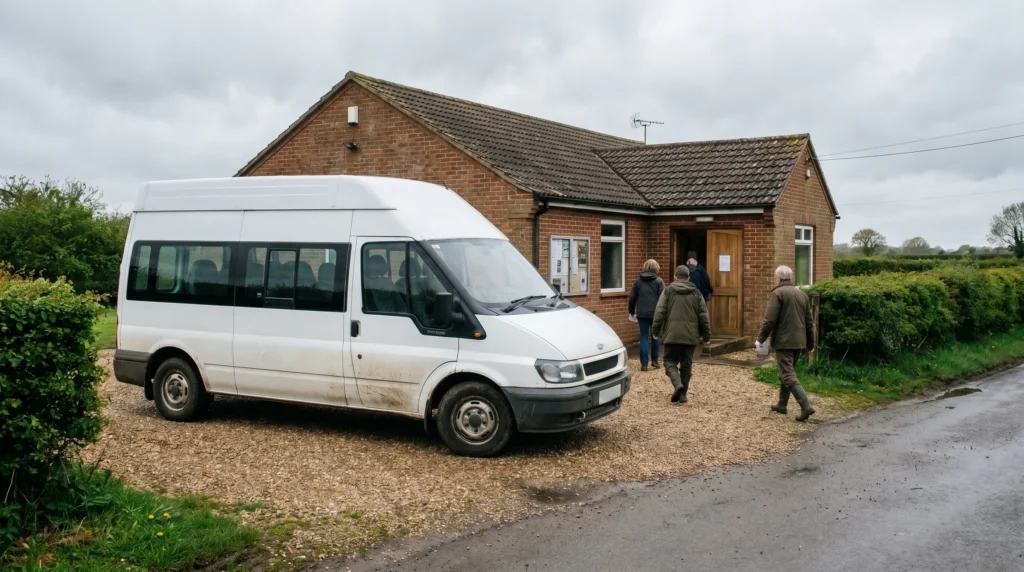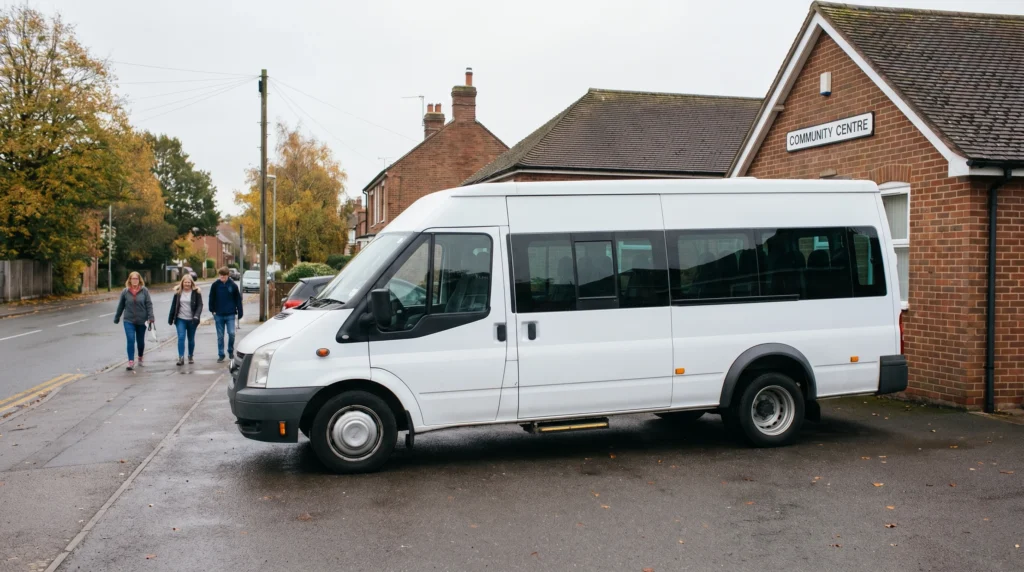
Check The Driver Before The Journey
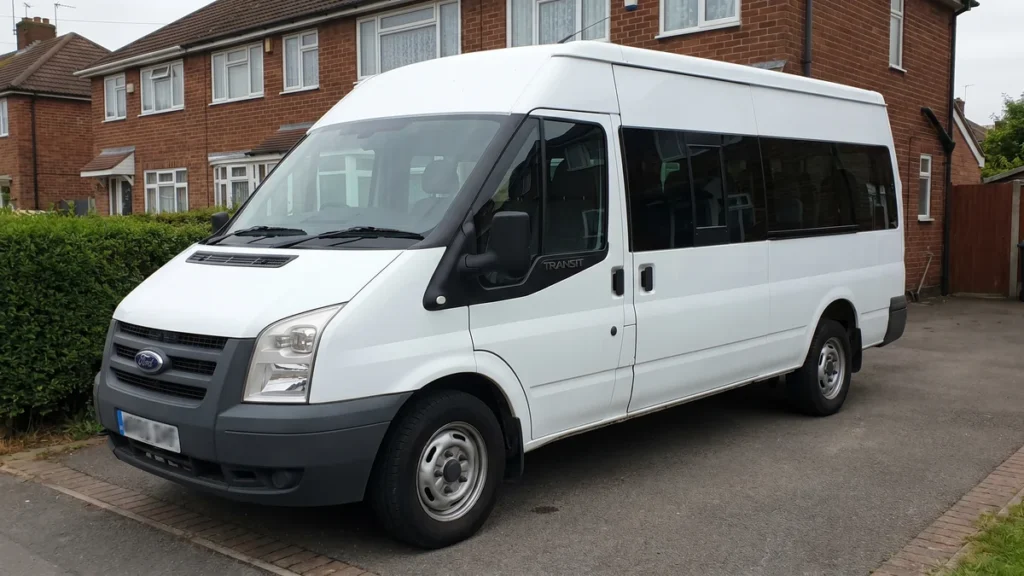
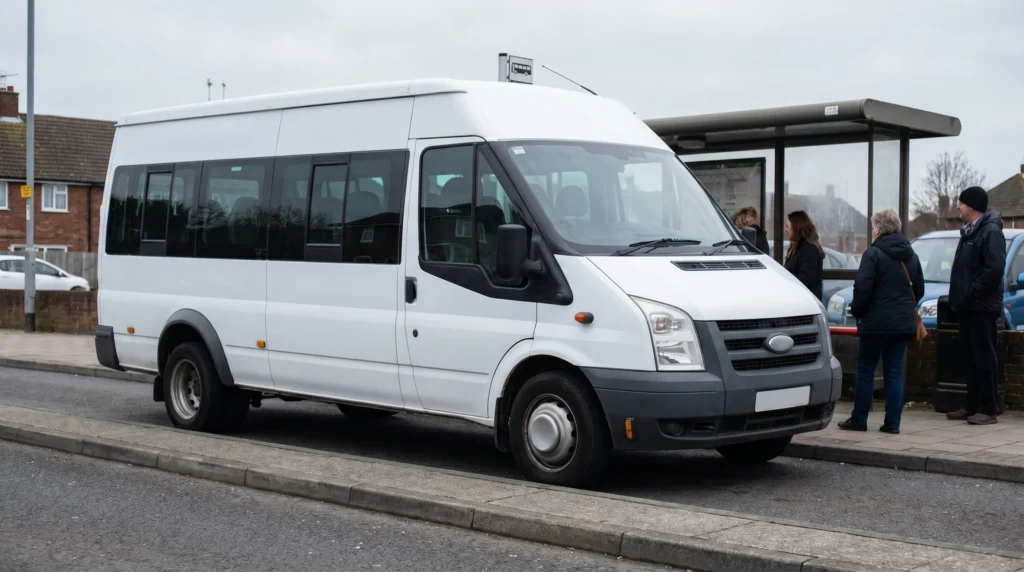
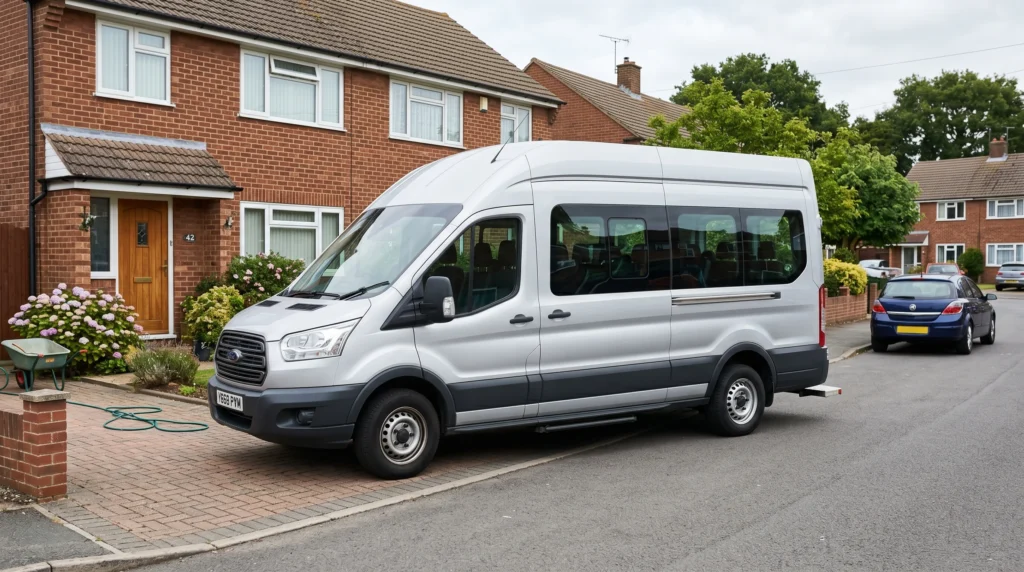
The useful first step is to check the driver rather than the vehicle in isolation. A minibus usually means a vehicle with more than 8 passenger seats and no more than 16 passenger seats, so the exact seat count matters before the licence position is checked.
GOV.UK says some drivers may be able to drive a minibus with up to 16 passenger seats on a car licence if the conditions apply. These include being 21 or older, holding the licence for at least 2 years, driving voluntarily for social purposes by a non-commercial body, not towing a trailer, not being paid except out-of-pocket expenses and meeting the relevant vehicle-weight limits.
Volunteer status alone does not decide the answer. Age, licence history, vehicle weight, seat count, payment arrangements and the type of organisation all still matter.
The weight check can be important. GOV.UK refers to a 3.5 tonne maximum authorised mass limit, or 4.25 tonnes where the extra weight is specialist equipment for disabled passengers. If the driver is paid to drive, the journey is commercial or passengers pay for the right to travel, the checks may point away from the simple car-licence route.
Volunteer Driving Checks For Minibus Insurance
A volunteer driver can still create insurance problems if the policy does not match who is driving and why. Use this checklist before relying on an existing policy or comparing cover.
A driver may meet one part of the check and still fail another, so licence entitlement, permit position and insurer acceptance should be checked separately.
- Driver name, age and address.
- Licence category and date full licence was obtained.
- Claims, points, convictions, bans or medical conditions that need disclosure.
- Exact vehicle registration and passenger-seat count.
- Whether the minibus is owned, leased, hired or borrowed.
- Who the passengers are and whether they make any payment.
- Whether the journey is for a charity, school, club, care organisation or community group.
- Whether volunteers use the vehicle regularly or only occasionally.
Where Section 19 Can Enter The Conversation
Volunteer transport often sits close to the Section 19 permit question. The trigger is not simply whether the driver is unpaid, but whether the organisation is carrying passengers for payment, directly or indirectly.
GOV.UK Section 19 and 22 permit guidance explains that hire or reward can include direct and indirect payment. In plain English, that can include a fare, contribution or membership arrangement that gives someone the right to travel.
Section 19 permits are for eligible not-for-profit organisations rather than ordinary private journeys. If passengers pay, make contributions or gain transport through membership, check the permit position as well as insurance.
If passengers pay directly or indirectly for the right to travel, the position may move beyond a simple volunteer-driving question and into permit or hire-and-reward checks.
Charity, Club And School Use
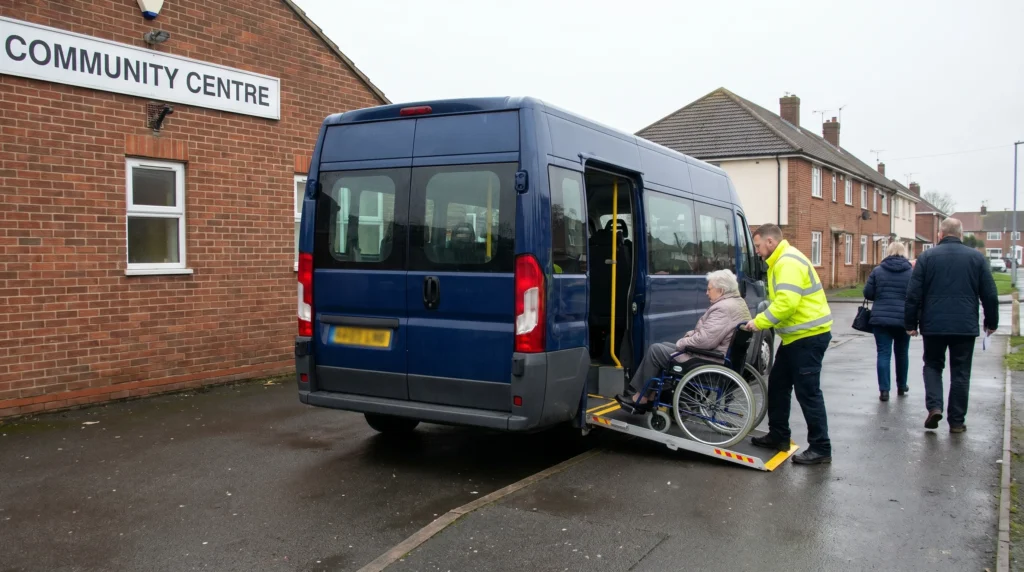
Different organisations can have different paperwork. A charity running regular passenger journeys may face different checks from a private family vehicle, while a school may have its own policies, permissions and risk assessments.
Licence and insurance checks do not replace safeguarding checks, so organisations should also follow their own DBS and safeguarding policies where relevant.
Ian's note: Keep a simple driver file for volunteer minibus use. It should show who is allowed to drive, what licence checks were made, what journeys are expected and how the insurance matches those journeys.
When To Compare Cover
Once the organisation, driver status, passenger arrangements and payment position are clear, use charity minibus insurance for community, charity or club vehicles. For education-led use, school minibus insurance may be a more relevant next check.
FAQs
Can volunteer drivers get charity minibus insurance?
They may be included if the policy accepts the driver and the use. The organisation should declare volunteer drivers clearly and check licence, claims, convictions and journey details.
Can a volunteer drive a minibus on a car licence?
Possibly, if all GOV.UK conditions apply. Volunteer status alone does not settle the issue, because age, licence length, passenger seats, vehicle weight and payment still matter.
Can volunteers be paid expenses for driving a minibus?
GOV.UK refers to out-of-pocket expenses under the car-licence minibus conditions. Anything beyond genuine expenses should be checked carefully because it can affect licence, permit and insurance questions.
Do volunteer minibus drivers need DBS checks?
That can depend on the organisation, passengers and safeguarding role. This article focuses on licence and insurance checks, so organisations should follow their own safeguarding guidance alongside insurance requirements.
Does school minibus insurance cover volunteer drivers?
It may, but only if the policy terms and driver criteria allow it. Schools should confirm volunteer-driver permissions before relying on cover for a journey.