













Why Compare Recovery Truck Insurance?
Recovery and Breakdown Truck Insurance at a Glance
- Your recovery truck, winching gear and customer vehicles could all sit under one policy.
- Cover options range from Third Party Only to Comprehensive for trucks of any age.
- You can typically add Goods in Transit cover to protect vehicles while you carry them.
- Click the green button above to compare recovery truck quotes today.
Please note that cover, eligibility and policy features vary between insurers. Always check your policy wording carefully before relying on any cover described here.
Who Needs Recovery Truck Insurance?
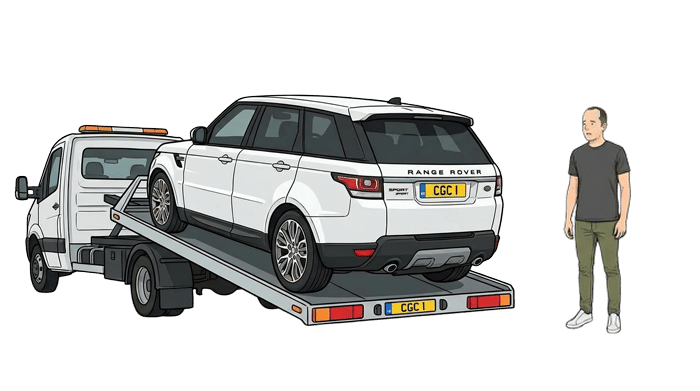
Operating a recovery vehicle without appropriate specialist cover could leave you personally responsible for repair costs if something goes wrong. Here are examples of the types of operators who typically need this insurance.
Insight: Whether you run a single flatbed or a fleet of spec lifts, specialist recovery truck insurance brokers already cover recovery operators like you. One form could get you multiple quotes.
What Does Recovery Truck Insurance Cover?
Not getting the most appropriate cover level could leave you paying for damage to a customer’s vehicle out of your own pocket. Here is what each tier of recovery truck insurance typically may include. The features below are typical examples only. Cover varies between insurers and policies.
| Feature | Comprehensive | TPFT | TPO |
|---|---|---|---|
| Damage to your recovery truck | Yes | No | No |
| Fire and theft | Yes | Yes | No |
| Third party damage | Yes | Yes | Yes |
| Windscreen repair | Often included | No | No |
| Courtesy vehicle | Sometimes included | Rarely | No |
| Personal injury cover | Often included | Rarely | No |
| Legal expenses | Often included | Optional | Optional |
What Recovery Truck Insurance Does Not Cover
A rejected claim could put your business at risk overnight. Here are some of the common exclusions and limitations you should know about before you buy. Please note, these examples are typical exclusions only. Cover varies between insurers and policies, and whether a claim is paid will depend on your individual policy wording, limits, terms, conditions and endorsements (which are policy-specific changes or restrictions).
- Unlicensed Driving – Your insurer may not pay if a driver lacks the correct licence category for your truck’s weight class.
- Unroadworthy Vehicles – Operating without a valid MOT or with defective brakes, lights or tyres could affect whether a claim is paid.
- Deliberate Damage – Intentional damage to your truck or a customer’s vehicle typically will not be covered by your insurance.
- Driving Under the Influence – Claims arising while a driver is over the alcohol or drug limit are unlikely to be paid.
- Unsecured Loads – If a vehicle falls from your truck because it was not properly secured, your insurer could refuse the claim.
- Weight Limit Breach – Exceeding your truck’s Gross Vehicle Weight (GVW) could affect whether your cover applies. If you load a 2.5-tonne SUV onto a truck rated for 2 tonnes, for example, your insurer typically may not pay.
- Operator’s Licence Gaps – Running commercially without the correct Operator’s Licence (O-Licence) could affect whether your policy responds to a claim.
- Geographical Limits – Most UK policies won’t cover recovery work in mainland Europe without a specific extension.
Standard Exclusions
Important Limitations
Optional Extras for Recovery Truck Insurance
A base recovery policy may not cover lost income or legal costs from a dispute. Here are the extras that could fill those gaps – note that policy terms, conditions and limits typically apply depending on your insurance provider.
Tip: Defective Workmanship cover is often overlooked, but it protects you if your winch or straps damage a vehicle during loading. Check whether your policy includes it when you compare truck insurance quotes.
Pays your legal costs if a customer or third party takes you to court.
Covers claims from bystanders or property owners at a recovery scene.
Replaces your income if an injury stops you from working.
Gets your recovery vehicle recovered when it breaks down on a job.
Employers’ liability insurance is usually required by law if you employ staff, including part-time drivers, subject to limited exceptions.
Protects you if your recovery work accidentally damages a customer’s vehicle.
If you also buy, sell, or salvage vehicles, you may need breakdown and recovery motor trade insurance.
How Much Does Recovery Truck Insurance Cost?
Two recovery operators with similar trucks could get very different quotes based on details they might not expect. Here are the factors that may affect your price.
| Key Factor | Impact on Your Price |
|---|---|
| Truck weight and type | Heavier recovery units usually cost more than basic flatbeds |
| Goods in Transit limit | Higher per-vehicle limits could push the price up |
| Operating area | Urban areas with higher accident rates could mean higher premiums |
| PAS 43 accreditation | Holding PAS 43 may help reduce premiums |
| Claims history | Previous GIT or Public Liability claims could raise renewal costs |
| Driver experience | Operators with clean licences and years in recovery may pay less |
| Security measures | Trackers, immobilisers, and secure compounds could reduce theft risk |
| Business use scope | Police or motorway agency contracts could increase risk exposure |
| Vehicle modifications | Specialist winches, cranes, or lifting gear could change how your truck is rated |
| Annual mileage | Higher mileage means more time on the road and more risk |
Tip: PAS 43 accreditation could help reduce your premium. Insurers view it as proof that you follow recognised safe recovery procedures.

How to Save on Recovery Truck Insurance
Your renewal price could increase over time if you allow your policy to renew automatically without reviewing your options. Here are practical steps that may help you reduce the cost of your recovery truck insurance quote, depending on your circumstances and the cover you choose.
Tip: Compare quotes before your renewal date. Specialist brokers already know what recovery operators need, so you will not waste time explaining your trade from scratch.
How to Compare Recovery Truck Insurance Quotes
Many roadside recovery operators stick with their renewal because comparing recovery truck insurance quotes may feel complicated. Here is how to get specialist quotes in a few minutes. Get started above.
What Our Expert Says
Recovery operators often get turned away by mainstream insurers. Your truck insurance needs a specialist approach. The liability profile is too specialist for a standard commercial policy.
The biggest gap is often Goods in Transit cover. Your truck policy protects your vehicle but rarely the customer's car on the back. Repairing a damaged prestige vehicle can be expensive and may exceed standard policy limits without adequate cover.
PAS 43 accreditation is voluntary, but most insurers and major clients demand it. Losing PAS 43 accreditation could affect eligibility for some insurance policies or contracts.
– Ian Beevis, Insurance Expert & Co-founder of Clean Green Cars

Common Recovery Truck Insurance Questions
How Much Does Recovery Truck Insurance Cost?
Your price depends on your truck’s weight, your claims history and your cover level. Comparing quotes from specialist brokers could help you find a competitive price.
Can I Drive a Recovery Truck on a Car Licence?
You can drive a recovery truck up to 3.5 tonnes on a standard Category B car licence. Anything heavier typically requires a Category C or C1 licence from the DVLA.
Do I Need an Operator's Licence for a Recovery Truck?
Recovery trucks used solely for recovering broken-down vehicles may be exempt from Operator’s Licence requirements in some circumstances, depending on how the vehicle is used and whether it is carrying vehicles commercially. If you use your truck for non-recovery work, you may need one.
What Does Goods in Transit Cover on a Recovery Truck?
Goods in Transit (GIT) cover is designed to protect vehicles you carry on your truck. If a customer’s car falls off or gets damaged during transport, GIT may help pay for repair costs, depending on policy terms and limits.
Does Recovery Truck Insurance Cover Roadside Breakdowns of My Own Truck?
Not always. You may need to add separate breakdown cover for your own recovery truck. Check whether your policy includes this as standard.
Do Recovery Trucks Need an MOT?
Trucks under 3.5 tonnes need an MOT from three years old. Heavier trucks need an annual roadworthiness test from 12 months after first registration. See Gov.uk for more information.
What Happens After I Submit?
After you submit, specialist brokers who handle recovery truck policies will receive your details. You could receive quotes within hours, and there is no obligation to accept any.

Search & compare quotes from UK Recovery and Breakdown Truck Insurance Providers

The Benefits of Getting Cover Online
Useful Resources
These official sources cover licensing, compliance and industry standards for recovery truck operators in the UK.
- GOV.UK – Being a Goods Vehicle Operator – Explains Operator’s Licence requirements for commercial vehicles over 3.5 tonnes.
- GOV.UK – Driving Licence Categories – Shows which licence category you need for your truck’s weight class.
- GOV.UK – Getting an MOT – Covers MOT and roadworthiness requirements for your recovery vehicle.
- SURVIVE Group – A UK road safety partnership for vehicle recovery, promoting safe working practices on roadside verges and motorways.