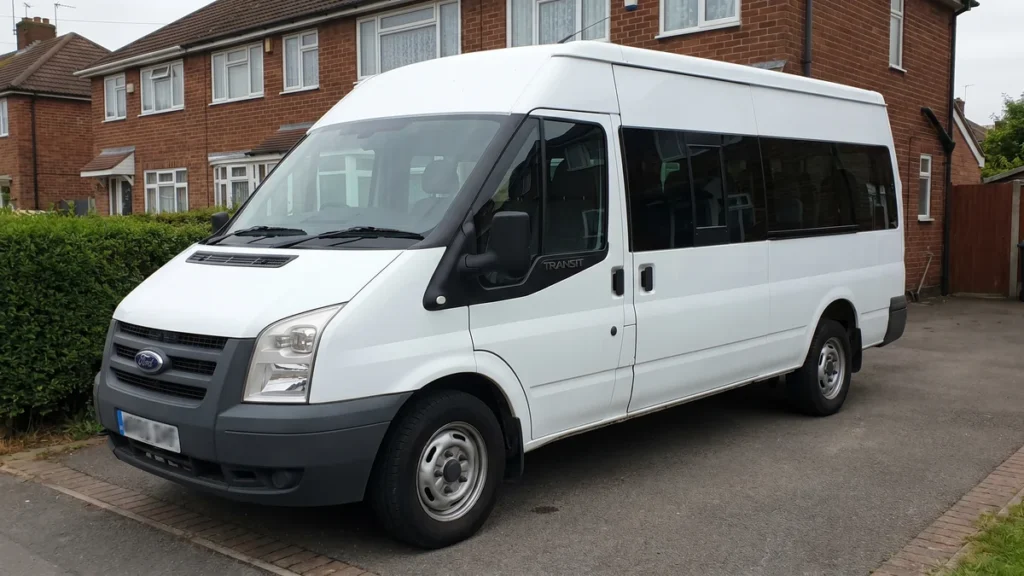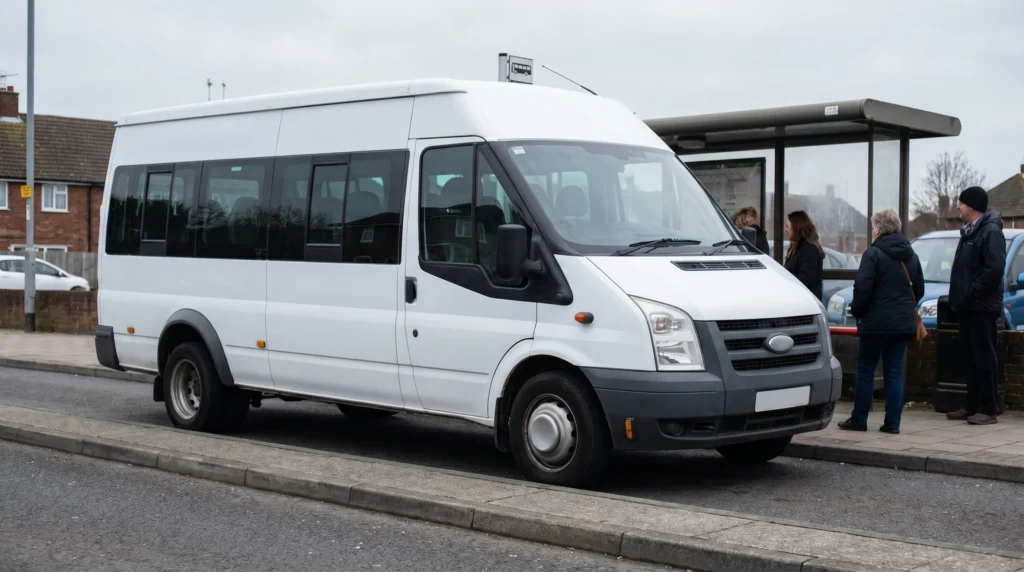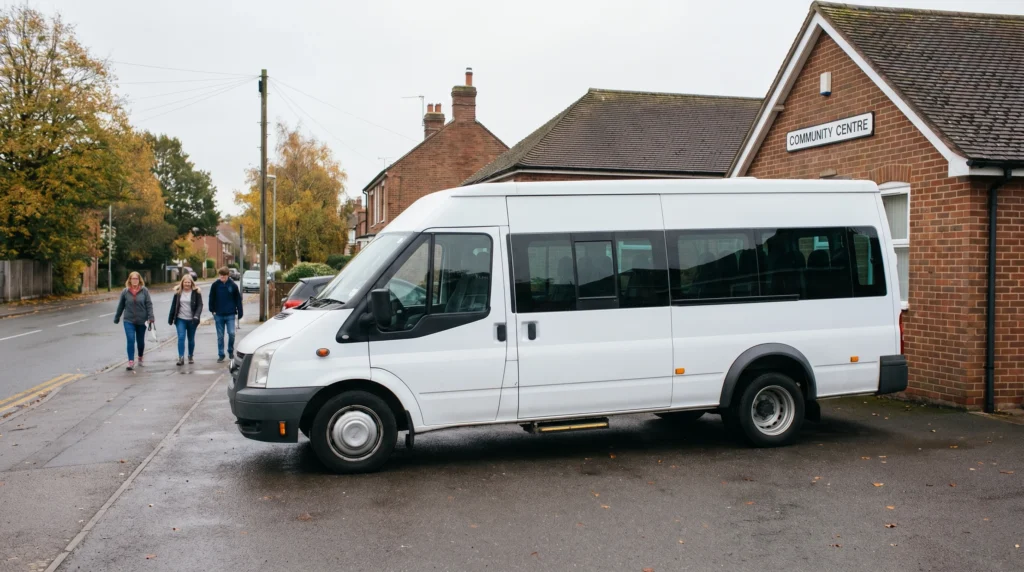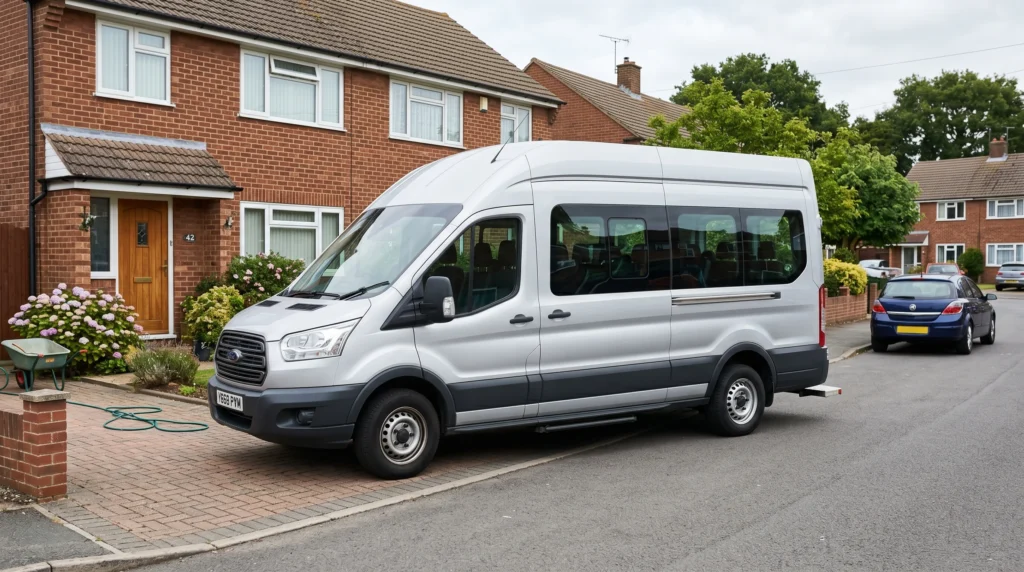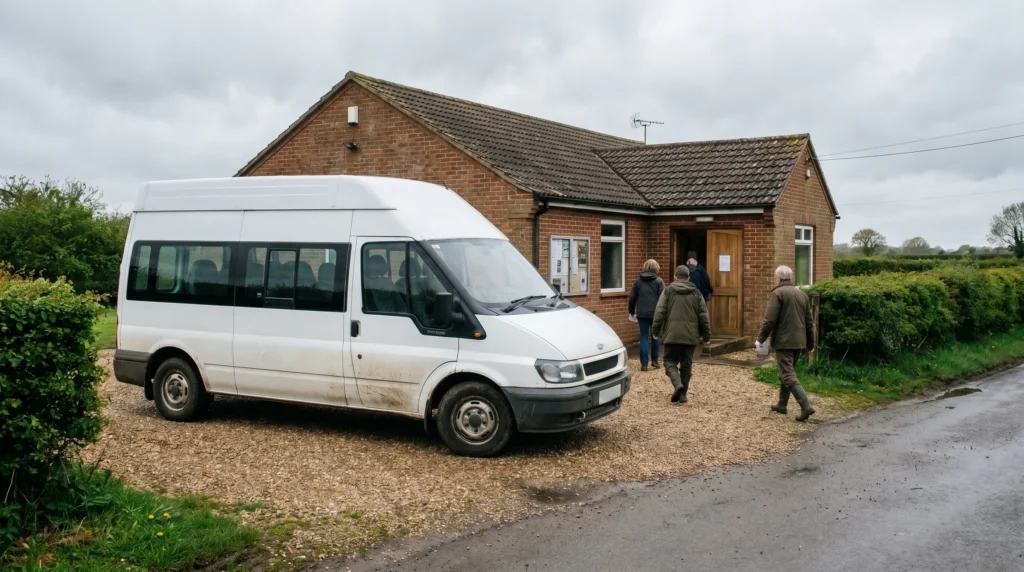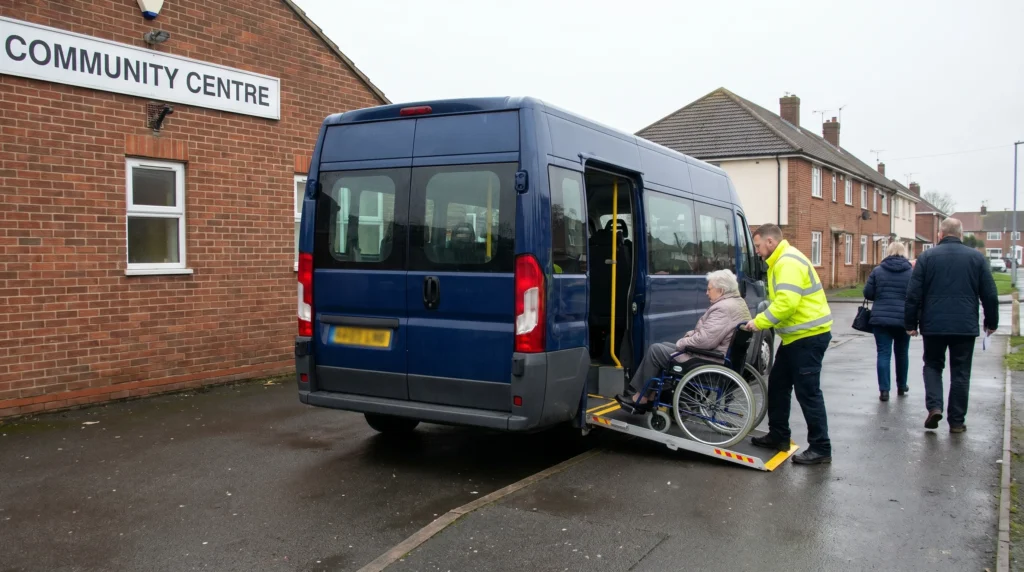
Start With The Adaptations
The next step is to list what has changed on the vehicle. A minibus usually means a vehicle with more than 8 passenger seats and no more than 16 passenger seats, and accessibility conversions can change how the seats, wheelchair positions and weight are recorded.
A wheelchair-accessible minibus may have ramps, lifts, tracking, removable seats, wheelchair positions, restraints or specialist equipment that should be declared before relying on the policy. Insurers will usually ask whether the vehicle was built as wheelchair-accessible, converted later, professionally adapted, used by a care organisation or used for private family transport.
What To Prepare Before Comparing
Accessible minibuses can be harder to quote when the adaptation details are vague. Use this checklist to gather the information that may shape the questions.
- Vehicle registration, make and model.
- Number of fixed seats and wheelchair positions.
- Ramp, lift, tracking, restraint and seating details.
- Whether adaptations were factory-built or added later.
- Any conversion documents, invoices or inspection records available.
- Vehicle weight or plated weight if relevant.
- Who drives the vehicle and their licence category.
- Whether passengers are family members, residents, service users, club members or paying passengers.
- Whether the minibus is used privately, by a care home, by a charity, by a school or for paid passenger work.
Licence And Weight Checks
GOV.UK driving-a-minibus guidance includes vehicle weight limits for car-licence minibus use. It refers to a 3.5 tonne maximum authorised mass limit, or 4.25 tonnes if the extra weight is specialist equipment for disabled passengers.
That higher allowance is not a blanket exemption. Check the plated weight, equipment details and driver entitlement before assuming a car licence is enough.
That makes the weight and equipment details worth checking before assuming a driver can use the minibus without D1. If the journey involves payment, membership transport or community transport, the hire or reward and permit position may also need checking.
This is separate from insurance acceptance. A driver may appear to meet licence rules but still need a policy that accepts the vehicle, adaptations and use.
Care, Charity Or Private Use
The same accessible minibus can raise different insurance questions depending on who uses it. A family vehicle, a charity minibus and a care home passenger vehicle should not be described in the same way if the journeys and passengers are different.
Licence entitlement, permit position and insurer acceptance are separate checks, and the same accessible vehicle may be treated differently depending on whether it is used privately, by a care provider, by a charity or for paid passenger transport.
For not-for-profit passenger transport, Section 19 or Section 22 permit checks can sit alongside insurance questions. That does not make every accessible minibus a permit case, but it is worth separating private family use from care, charity, school or community transport.
| Use | Likely Focus | Useful Next Check |
|---|---|---|
| Private family use | Adaptations, driver details and social use. | Prepare conversion and vehicle details. |
| Care home or nursing home use | Passenger duty of care, drivers and regular journeys. | Compare care-sector minibus cover. |
| Charity or community use | Volunteers, members, permits and passenger payments. | Check charity/community transport setup. |
| Paid passenger transport | Hire or reward, permits and operator questions. | Get the operating position clear first. |
When To Compare Cover
Ian's note: Accessible vehicles are often perfectly normal for the organisation using them, but the paperwork still needs to be precise. Keep a simple file with conversion documents, invoices, weight details and who is allowed to drive, because that can make future insurance and permit checks much easier.
For care-sector passenger vehicles, start with nursing homes and care homes minibus insurance once the adaptation details, passenger use and driver entitlement are clear. For community or voluntary transport, charity minibus insurance may be the more relevant next step.
FAQs
Does a wheelchair-accessible minibus need specialist insurance?
It may need specialist checks because adaptations, wheelchair positions, passenger restraints, drivers and use can affect whether an insurer may quote.
Does care home minibus insurance cover wheelchair access?
It can depend on the policy and vehicle details. Care homes should declare ramps, lifts, wheelchair positions and passenger use before relying on cover.
Do I need to declare a wheelchair ramp or lift?
Yes, it is sensible to declare ramps, lifts and other accessibility adaptations. The insurer may treat them as important vehicle details.
Can volunteers drive a wheelchair-accessible minibus?
They may be able to, but licence category, vehicle weight, adaptations, passenger arrangements and insurance criteria all need checking.
Does wheelchair equipment affect D1 licence checks?
It can affect the weight question. GOV.UK refers to an extra allowance for equipment used to carry disabled passengers, so check the vehicle's weight and driver entitlement.