









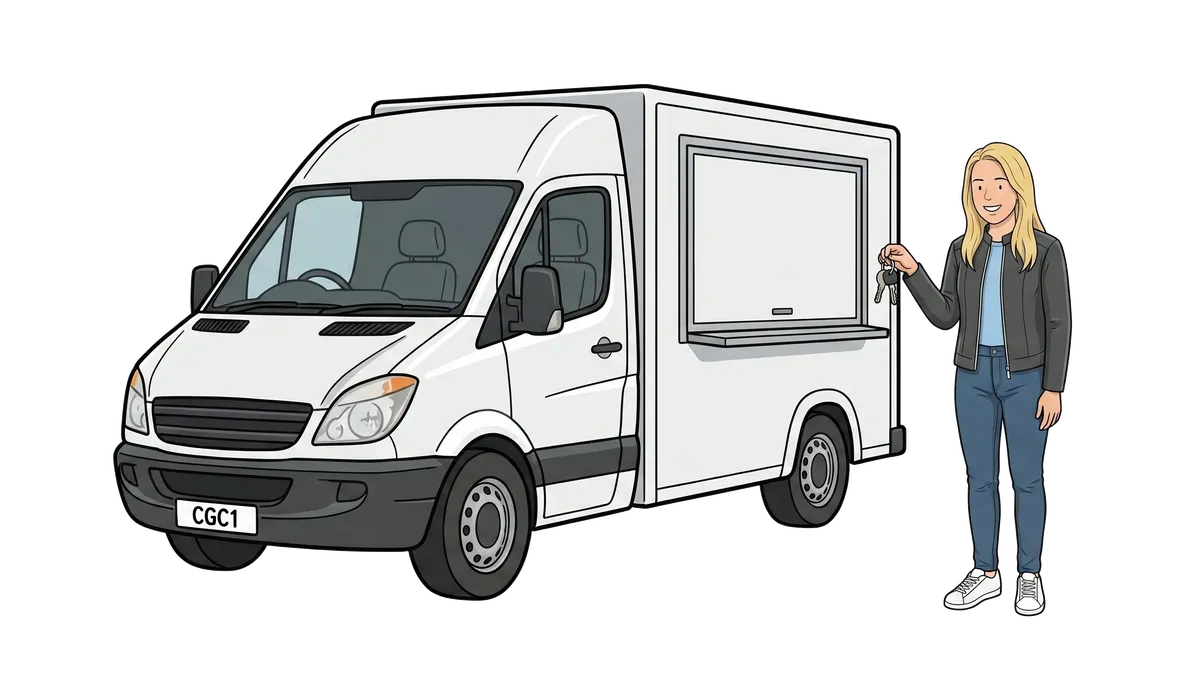
Why Compare Catering Van Insurance?
Standard Van Policies Don't Cover Your Pitch
A regular van policy covers road accidents only. It may not cover your cooking equipment, your gas rig or a food contamination claim. Clean Green Cars connects you to specialist brokers who price the full picture, not just the road risks.
Liability Limits Vary By Venue
Event organisers and local councils often require specific public liability limits as a pitch condition. Clean Green Cars puts you in touch with brokers who can match your cover to what your market or festival actually needs, rather than defaulting to the minimum.
Get Your Equipment Valued Accurately
A fitted catering van with gas rigs, fridges, grills and serving equipment can reach £20,000 to £40,000 in declared value. Clean Green Cars introduces you to specialist insurers who know mobile catering and price your kit correctly - so you're not underinsured at claim stage.
- Not Standard Van Insurance - a regular van policy covers road risks only and may not cover your cooking equipment, stock, gas rigs or public liability for food-related incidents at your pitch.
- Road Risk Plus Business Protection - a catering van policy bundles road risks with public and employers liability, stock cover and business interruption into one specialist package.
- Covers Any Pitch Type - markets, street trading, festivals, events and static pitches can all sit under the same policy, though your declared use class matters at claim stage.
- Legal Needs Stack Up Fast - you need at least third party road cover for any van driven on a public road. Most event organisers also require proof of public liability before they'll accept your pitch booking.
- Click the green button above to compare catering van quotes today.
Do I Need Car Insurance?
Drive your catering van on a public road without motor insurance and you risk an IN10 endorsement, a fixed penalty and possible vehicle seizure before you reach your pitch. The Road Traffic Act 1988 s.143 requires at least third party cover for any vehicle used on a road. Beyond road legality, most market organisers, festivals and council pitches require proof of public liability before they'll accept a trader. If you also run a standard van alongside your catering unit, the two policies are separate - catering van cover includes pitch-specific liability that a regular van policy doesn't.
- Road Use - Third Party Cover Is the Legal Minimum - any catering van driven on a UK road must carry at least third party motor insurance, whether it drives daily between pitches or moves only occasionally.
- Static Pitches Still Need Liability Cover - if your unit is pitched in one location permanently, a standalone public liability policy covers incidents at the pitch even if there's no road risk element.
- Employers Liability Is Compulsory If You Have Staff - under the Employers Liability (Compulsory Insurance) Act 1969, any business with even one employee must carry at least £5 million of employers liability cover. Full and part-time staff both count.
- Event Organisers Often Require £2m-£5m Public Liability - many outdoor event operators require proof of public liability at £2 million or £5 million as a condition of your pitch booking. Check each venue's rules before you commit.
A standard van policy covers your vehicle for road accidents but leaves your cooking equipment, stock and customers with no protection at all. Here's what each level of catering van insurance may include. Please note that policy features, benefits, terms and conditions vary among insurance providers, so always check the policy wording.
| Feature | Comprehensive | Third Party, Fire and Theft | Third Party Only |
|---|---|---|---|
| Damage to your catering van | Yes | No | No |
| Fire and theft protection | Yes | Yes | No |
| Damage to other vehicles or property | Yes | Yes | Yes |
| Injury to third parties | Yes | Yes | Yes |
| Public liability for pitch incidents | Often included | Sometimes | Rarely |
| Stock and equipment cover | Often included | Rarely | No |
| Business interruption | Optional | Optional | No |
| Windscreen repair | Often included | Rarely | No |
Cover features depend on insurer terms, your declared use class and the equipment listed on your policy. Operators of several vans may find it useful to compare courier insurance if any vehicles also make deliveries.
Cover Tip: If a market organiser asks for proof of public liability before letting you trade, a standalone road risk policy won't satisfy that need. Check whether your policy bundles liability cover before accepting any pitch booking.
One undeclared piece of cooking kit or a mis-declared use class could leave a liability claim entirely uninsured. Here are the key exclusions and limitations to watch for in your catering van policy.
Standard Exclusions
- Undeclared Gas or Cooking Equipment - If your policy doesn't list the gas rigs, fryers, grills or other cooking equipment fitted to your van, your insurer may decline a claim for fire or equipment damage. Declare every piece of built-in kit at the start of your policy. Say your van has a built-in fryer you forgot to list - your insurer could decline your fire claim on that basis alone.
- Trading at Locations Not Named on Your Policy - Some policies list approved trading locations or postcodes. If you take a last-minute pitch at a new festival without telling your insurer, a liability claim arising at that event could be affected. Always notify your insurer before trading somewhere new.
- Food Contamination Without Product Liability - Public liability often covers bodily injury and property damage from your business activities. Product liability, which covers illness or injury caused by food you sell, may need to be added separately. Check your policy wording before assuming you're covered for food-related illness claims.
- Mechanical Breakdown of Your Cooking Equipment - Catering van insurance isn't a maintenance contract. Breakdown of your cooking equipment through wear and tear, or a compressor failure on your fridge, is often excluded from stock and equipment cover. You'll need separate equipment maintenance cover for that.
Important Limitations
- Unlicensed or Unnamed Drivers - Road risk cover applies only to named drivers or drivers who meet your policy's age and licence rules. If a member of your staff drives the van but isn't included on your policy, your insurer may decline a road accident claim.
- Stock Left Unsecured Overnight - Some policies set rules on how your stock must be stored when the van is unattended overnight. Leaving perishable stock, cash or equipment in an unlocked or insecure vehicle could affect your theft claim at settlement.
Add-Ons Worth Considering
Your standard catering van policy is designed to cover the basics. These extras fill the gaps that matter most for mobile food traders, so it's worth checking which ones suit your trading situation.
May be needed if customers become ill or injured from food or drink you sell, subject to policy limits and conditions. Many event organisers require this separately from standard public liability.
May be needed if you employ any staff, even part-time or seasonal workers, subject to your policy terms. Covers compensation claims from employees injured or made ill through their work.
May help cover lost trading income if your van is off the road after a fire, flood, theft or road accident, subject to your policy limits. Worth considering if the van is your only source of income.
May help cover the cost of defending a liability claim or pursuing a debt through the courts, depending on your policy terms. Legal costs can run into thousands even for straightforward disputes.
May be needed if your van travels regularly between pitches, as a standard domestic breakdown policy may not cover commercial vehicles, subject to insurer acceptance criteria. A dedicated breakdown cover policy can be arranged separately or bundled with your catering policy.
What Affects The Cost?
Around 25,000 mobile catering businesses operate across the UK, according to HMRC VAT registration data (as at 2024). With cooking equipment, fridges and gas rigs on board, the total declared value of a fitted catering van can easily reach £20,000 to £40,000. The quotes you get will depend on your own details.
| Key Factor | Impact on Your Price |
|---|---|
| Vehicle type and age | A modern refrigerated coffee van will price differently to an older converted box body. Your vehicle's value, age and engine size all feed into the road risk element of your quote. |
| Public liability limit chosen | £1 million, £2 million and £5 million are common limits. Higher limits cost more but are often required by event organisers and local authorities as a condition of your trading pitch. |
| Stock and equipment value declared | The total value of your cooking equipment, gas rigs, fridges and stock affects your premium. Underinsuring could leave a shortfall at claim stage. |
| Trading locations and use class | A van that trades at a single licensed market will often price differently to one that travels to several festivals each week. Declare all your expected trading locations accurately. |
| Driver history and age | Drivers with points on their licence, prior claims or under 25 years old could face higher road risk premiums. Some specialist catering van insurers apply minimum driver age restrictions. |
| Overnight storage security | Keeping your van in a locked garage or a secure compound overnight often prices below street parking. Some insurers require secure storage as a condition of cover. |
| Number of staff driving | Naming extra drivers on your road risk policy adds to your premium. Any driver cover costs more than a named driver arrangement but gives maximum flexibility for a team. |
| Claims history | Previous road accident or liability claims could increase your renewal quote. A clean claims record over three or more years may help bring your costs down. |
| Key Factor | Impact on Your Price |
|---|---|
| Vehicle type and age | A modern refrigerated coffee van will price differently to an older converted box body. Vehicle value, age and engine size all feed into the road risk element of the quote. |
| Public liability limit chosen | £1 million, £2 million and £5 million are common limits. Higher limits cost more but are often required by event organisers and local authorities as a condition of trading. |
| Stock and equipment value | The total value of cooking equipment, gas rigs, fridges, serving equipment and stock declared on the policy affects the premium. Underinsuring could leave a shortfall at claim stage. |
| Trading locations and use class | A van that trades at a single licensed market will likely price differently to one that travels to several festivals and events each week. Declare all expected trading locations accurately. |
| Driver history and age | Drivers with points on their licence, prior claims or under 25 years old could face higher road risk premiums. Some specialist catering van insurers apply minimum driver age restrictions. |
| Overnight storage security | Keeping the van in a locked garage or a secure compound overnight typically prices below street parking. Some insurers require secure storage as a condition of cover. |
| Number of staff driving | Naming additional drivers on a road risk policy adds to the premium. Any driver cover costs more than a named driver arrangement but gives maximum flexibility for a team operation. |
| Claims history | Previous road accident claims or liability claims paid out by a prior insurer could increase your renewal quote. A clean claims record over three or more years may help bring costs down. |
Price Insight: Specialist insurers who understand mobile catering tend to price your cooking equipment and liability more accurately than standard commercial van insurers. That accuracy can make a noticeable difference to your overall premium when you compare quotes from fleet and specialist sources side by side.

Ways To Reduce Your Premium
Catering van cover can run to a meaningful annual cost when you bundle road risks, liability and stock protection. Here are some ways to cut what you pay.
Secure Your Van Overnight
A locked garage, secure compound or tracked vehicle declared as your overnight storage location often prices below street parking. Some insurers require a physical security device as a policy condition.
Install A Tracking Device
A Thatcham-approved GPS tracker fitted to your van could support a lower premium on the road risk element and may improve your chances of vehicle recovery after theft.
Match Your Liability Limit To What Venues Require
Check exactly what limit your event organisers and pitch licences need before choosing the highest option. Matching the required limit rather than over-insuring could bring your cost down.
Pay Annually If You Can
Paying for the year upfront avoids the interest (Annual Percentage Rate, or APR) that insurers add to monthly instalment plans. Paying annually could reduce your total cost over the year.
Compare At Renewal
Don't auto-renew. Get quotes above each year to check the market. Specialist catering van insurers often price your equipment and liability differently from standard commercial van insurers.
Saving Tip: Compare quotes above at renewal rather than accepting your insurer's auto-renewal price. Clean Green Cars connects you to specialist brokers who already understand mobile catering cover and could find you a more competitive deal on your whole policy.
How To Compare Catering Van Insurance Quotes
Finding catering van cover doesn't have to mean calling around for days. Clean Green Cars helps connect you with specialist brokers who handle mobile catering policies every day. Get started above - it takes just a few minutes.
Enter Your Van Details
Start at the top of this page to enter the registration number, make, age and declared value of your catering van or trailer. Include the unit type: burger van, coffee van, refrigerated trailer or static unit.
Confirm Your Trading Locations
Select your usual trading locations, how often you trade at events and whether you're the only driver or whether staff also drive your van.
Choose Your Cover Levels
Compare Third Party Only, Third Party Fire and Theft, and Comprehensive road risk options. Add public liability, stock and equipment cover and any extras that match your trading situation.
Receive And Compare Quotes
Specialist catering van brokers review your details and return quotes based on your van type, equipment value, trading locations and cover selections. Compare what's included alongside the price.
Review And Confirm
Check your policy wording for exclusions relating to cooking equipment and trading locations. Select the policy that suits your needs and set your start date.
What Our Expert Says
Catering van insurance catches a lot of operators out because the road risk element looks simple but the liability and equipment cover is where the real complexity sits. A standard commercial van policy covers your vehicle for road accidents. It doesn't cover a customer who becomes ill from your food, your gas rig if it's damaged at a pitch, or your income if the van is off the road for two weeks after a fire.
A common scenario is a new trader who registers the van under a standard van policy to keep road costs down, then discovers at pitch booking stage that the event organiser requires £2 million of public liability before they can trade. At that point they either need to arrange a standalone liability policy quickly or switch to a specialist product. Comparing specialist catering van insurers from the start tends to avoid that situation and often costs less overall than piecing together separate policies.
Specialist brokers who understand the mobile catering sector can quote accurately on cooking equipment value, gas rigs, product liability and your specific trading locations, rather than approximating on a generic commercial van form. Check the GOV.UK food business registration guidance before you start trading. That accuracy matters at claim stage as much as at quote stage.
Insurance Expert & Co-founder of Clean Green Cars

Common Catering Van Insurance Questions
Do I Need Catering Van Insurance By Law?
Third party motor insurance is a legal requirement for any catering van driven on a UK road. Public liability and employers liability have separate legal needs depending on your trading setup.
What's The Difference Between Public Liability And Product Liability?
Public liability covers injury or property damage from your business activities. Product liability covers illness or injury caused by food or drink you sold. You may need both if you sell food to the public.
Does Catering Van Insurance Cover My Cooking Equipment?
A standard road risk policy doesn't cover your equipment. A specialist catering van policy can include stock and equipment cover for gas rigs, fryers, fridges and serving kit up to a declared value limit.
Can I Insure A Catering Trailer Instead Of A Van?
Yes. Many specialist policies cover static catering trailers and towed units. Your trailer may be covered on its own or as part of a combined vehicle and trailer policy.
How Much Public Liability Do I Need For Events?
Many event organisers and local councils require at least £2 million or £5 million public liability. Check the rules for each location you trade at before choosing your limit. See GOV.UK employers liability guidance for staff cover needs.
Does Catering Van Insurance Cover Business Interruption?
Business interruption is often an optional add-on. It can cover lost trading income if your van is off the road after a covered event such as a fire, theft or road accident.
Can I Get Catering Van Insurance With Points On My Licence?
Specialist brokers may be able to quote even with endorsements on your licence. Your premium could be higher and some insurers apply restrictions, but options may be available. You can also compare standard van insurance to see what suits your situation.
What Happens After I Submit My Details?
Your information is reviewed by specialist catering van brokers who'll contact you with quotes based on your van details, equipment declarations and trading locations. You're not committed to any quote that comes back.

Search & Compare Quotes From UK Catering Van Insurance Providers
Don’t have your registration number? No problem, click here.
Useful Resources
- GOV.UK - Food Business Registration - register your catering van with your local authority before you start trading, as food hygiene law requires.
- GOV.UK - Employers Liability Insurance - government guidance on the legal need to hold employers liability insurance if you have any employees.
- Food Standards Agency - Starting a Food Business - FSA guidance on food hygiene ratings, registration and the legal rules for running a mobile catering business in the UK.